The global vape market is expanding, but responsible buying requires more than attractive colors or high puff claims. Grand View Research valued the global e-cigarette market at approximately USD 18.13 billion in 2021. It also projected a strong growth rate through 2030. These figures show commercial momentum, not proof of product safety.
This guide examines seven customize vape options for adult consumers in legal markets. It focuses on battery protection, leak resistance, material transparency, labeling, and regional compliance. Buyers should check nicotine rules, recycling duties, age restrictions, and import requirements before ordering. A customize disposable vape may look convenient, yet its battery and waste profile deserve careful attention. WHO reports that e-cigarette emissions can contain harmful substances, while long-term effects remain uncertain. That uncertainty matters.
Dr. Konstantinos Farsalinos, a cardiologist and tobacco-harm-reduction researcher, has said, “Vaping is much less harmful than smoking.” His statement needs context. Lower risk does not mean no risk. It also does not justify youth-oriented design or unverified health claims. Reliable manufacturers should provide batch numbers, laboratory documentation, child-resistant packaging, and clear ingredient disclosure. Companies such as Innokin, SMOK, and Vaporesso demonstrate how product engineering can support safer handling, although no brand deserves automatic trust. I may overvalue technical specifications here. Real-world quality control can vary between factories and markets. The best customize vape choice is therefore not simply the most powerful device. It is the option with transparent evidence, lawful distribution, practical usability, and responsible after-sales support.
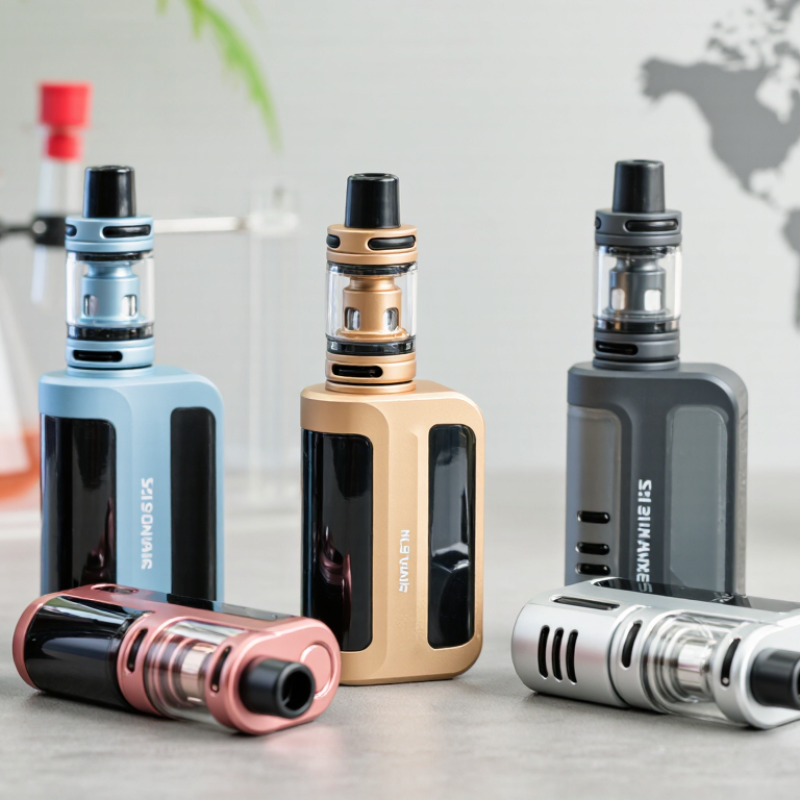
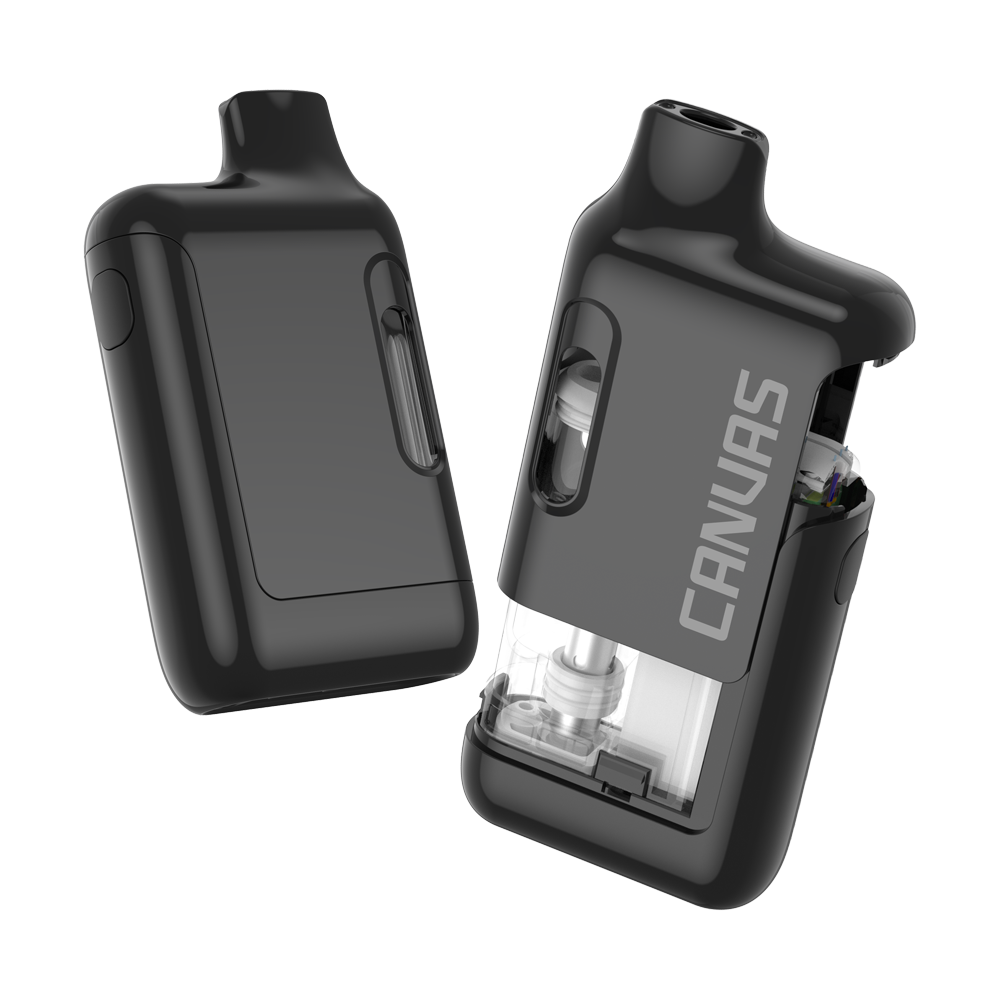
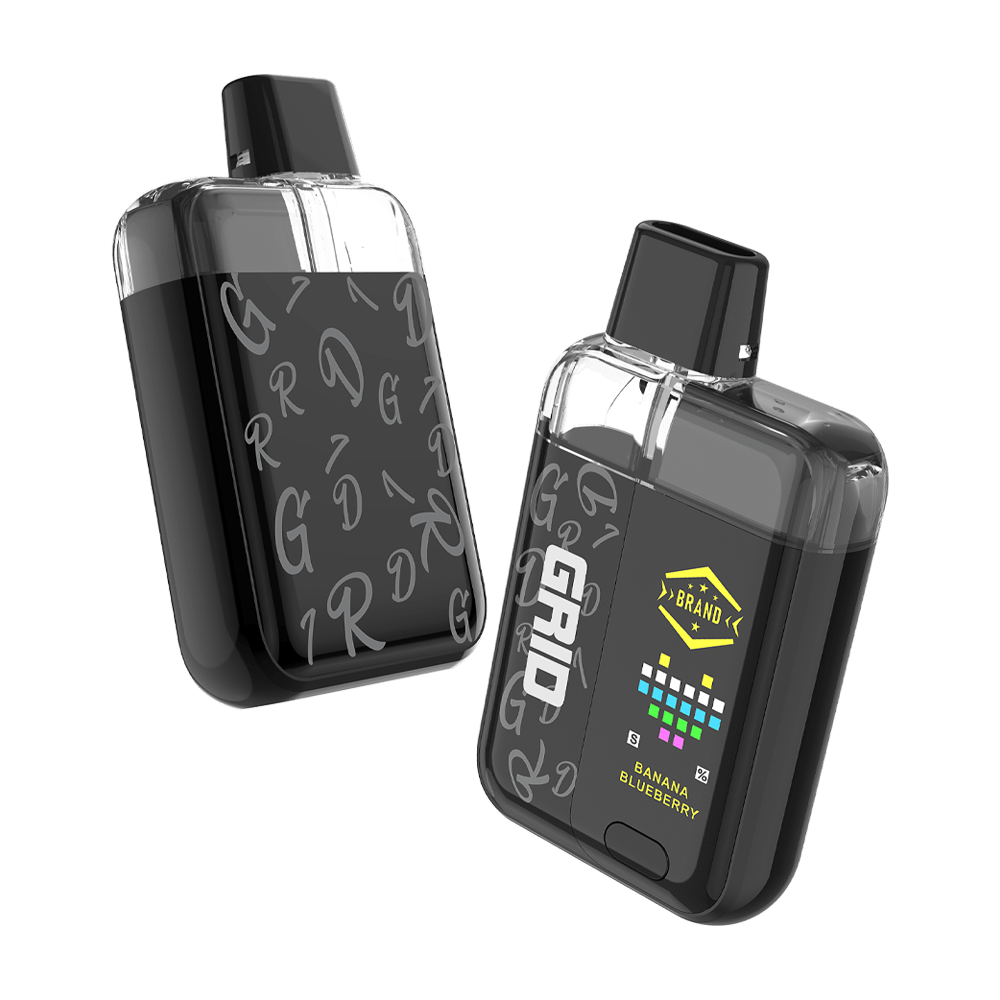
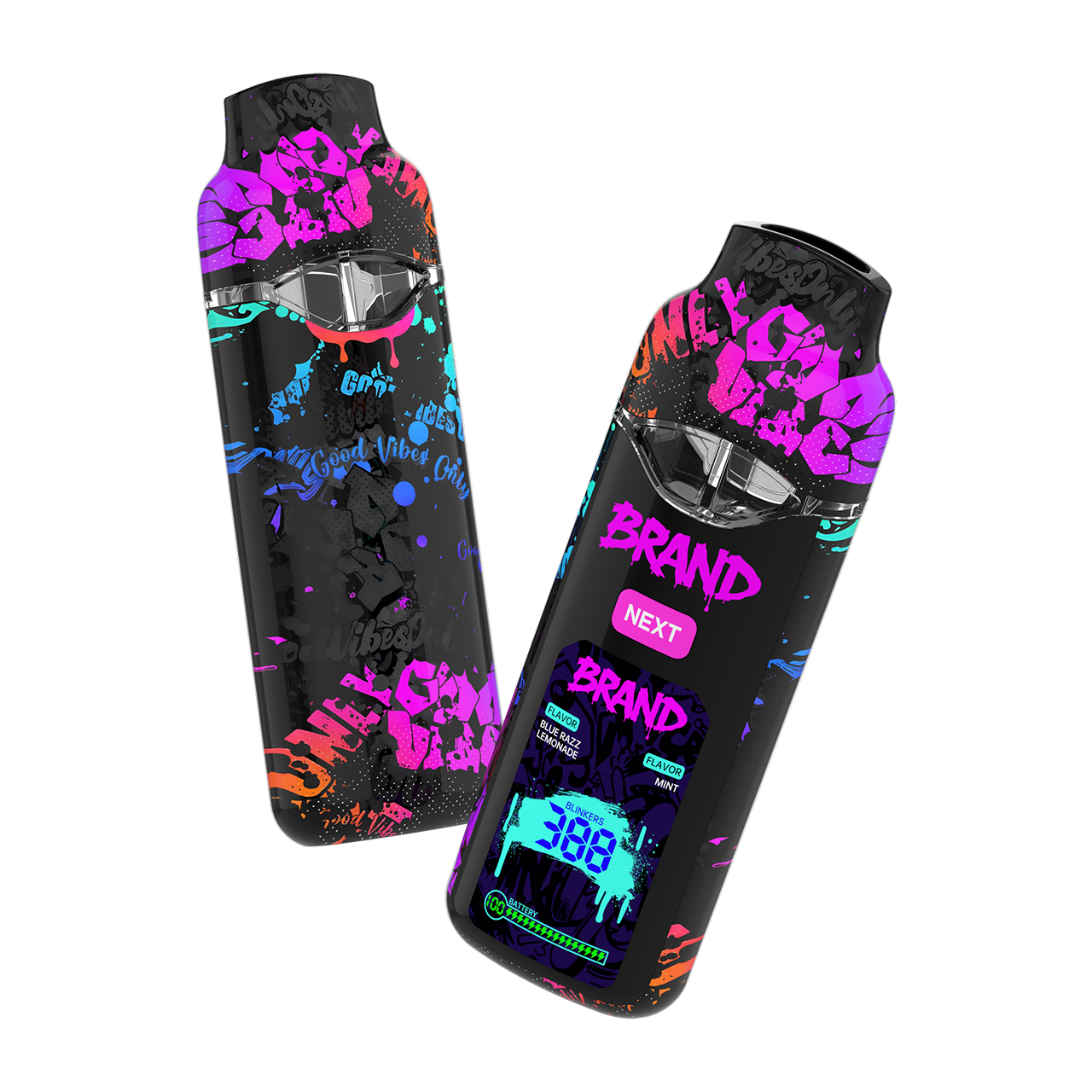
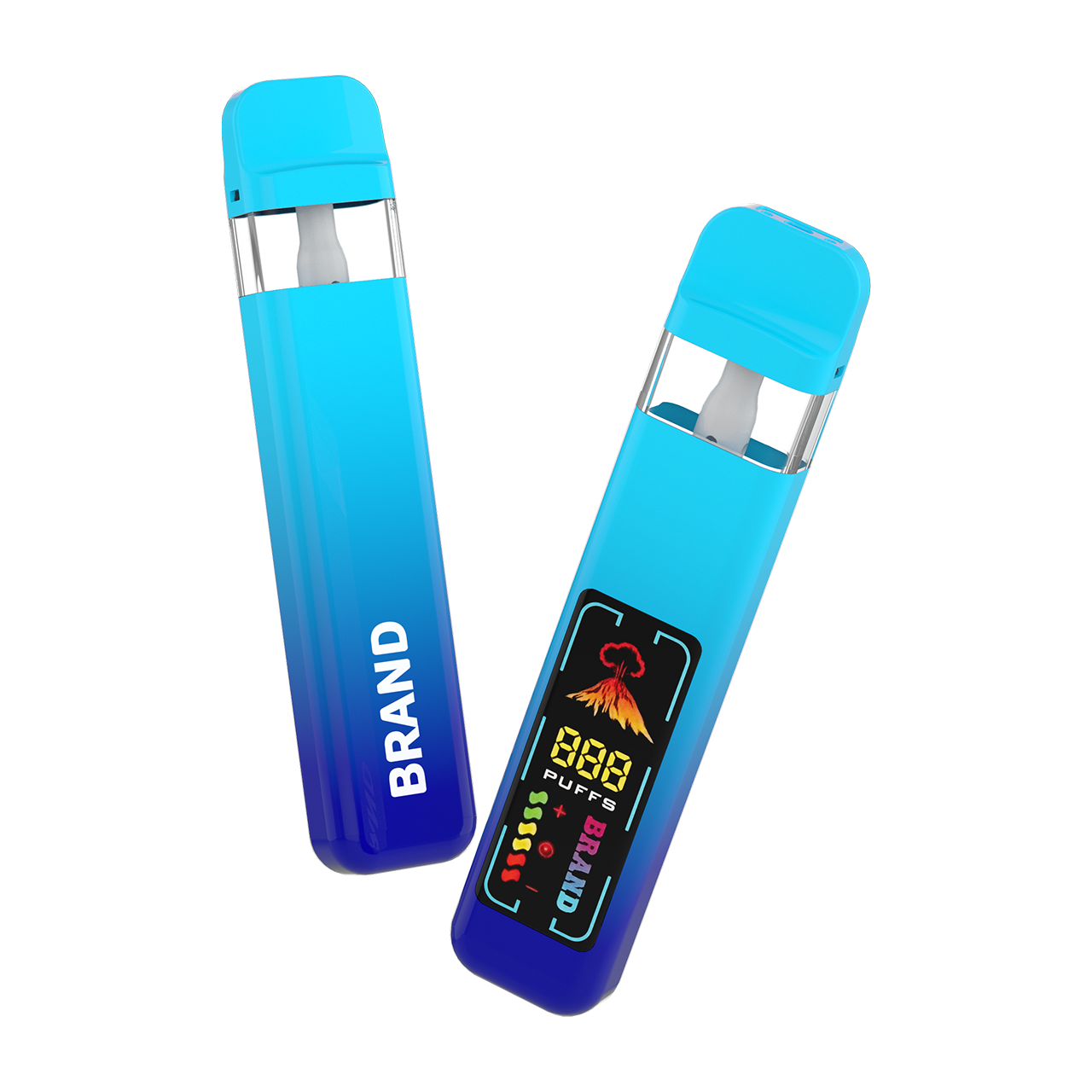
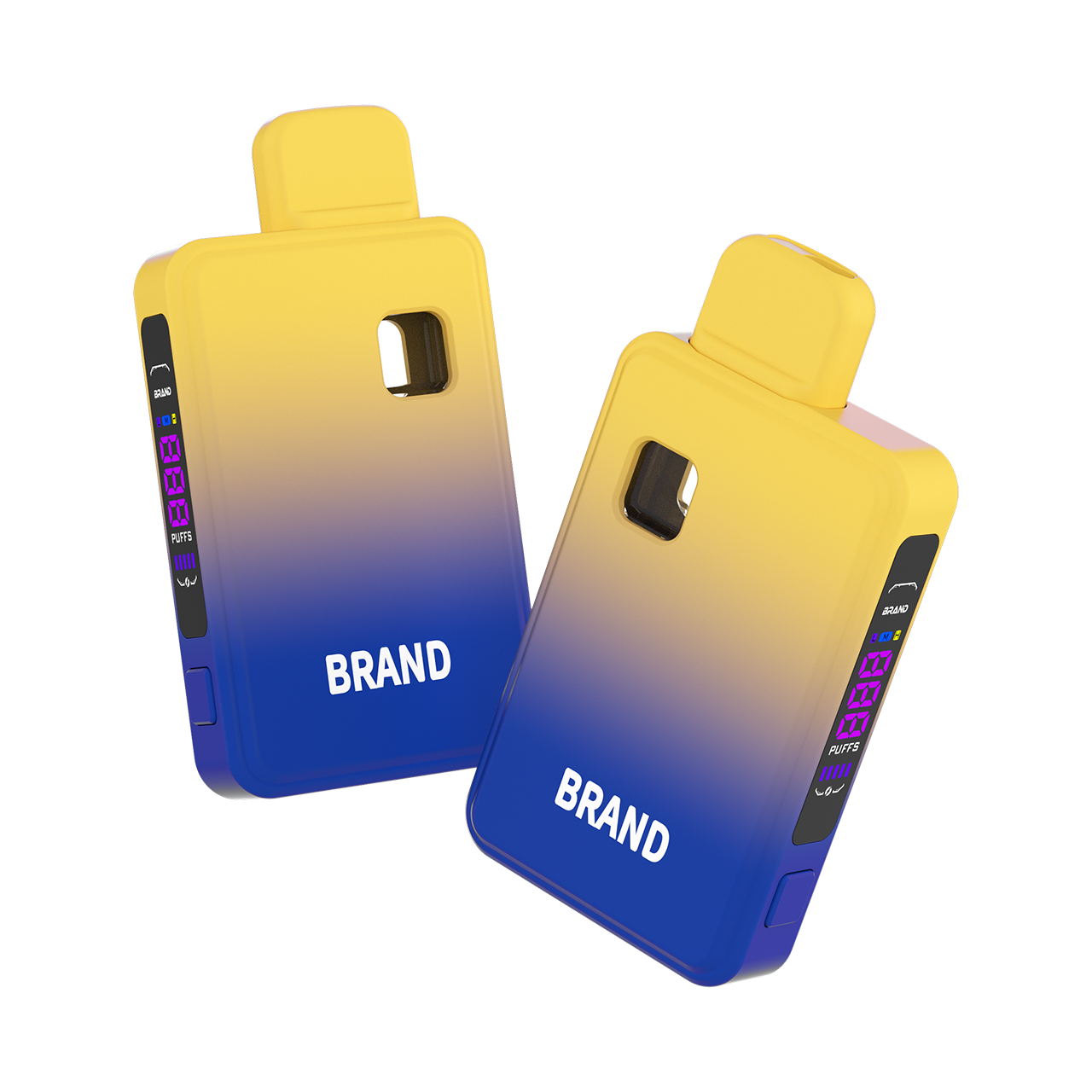
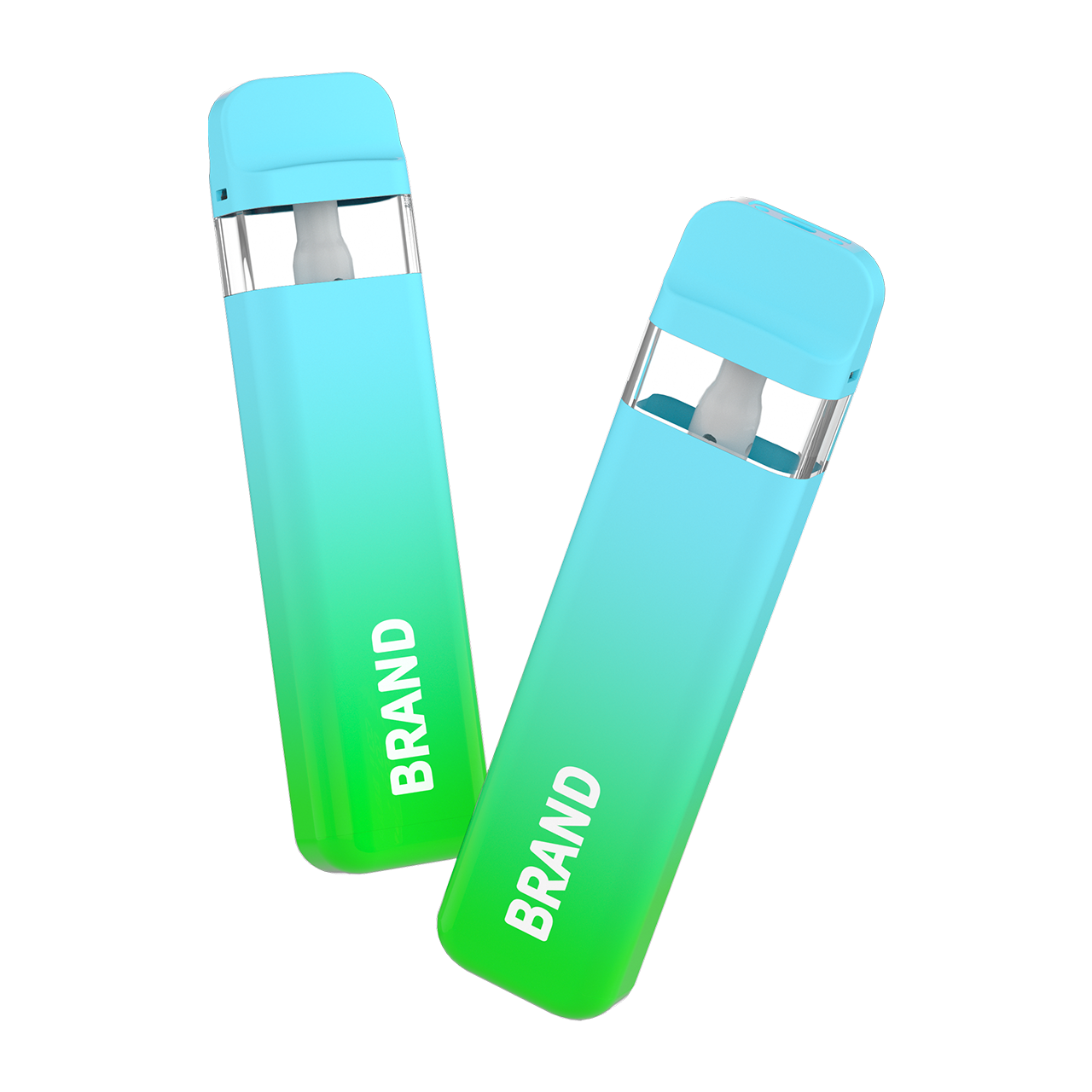
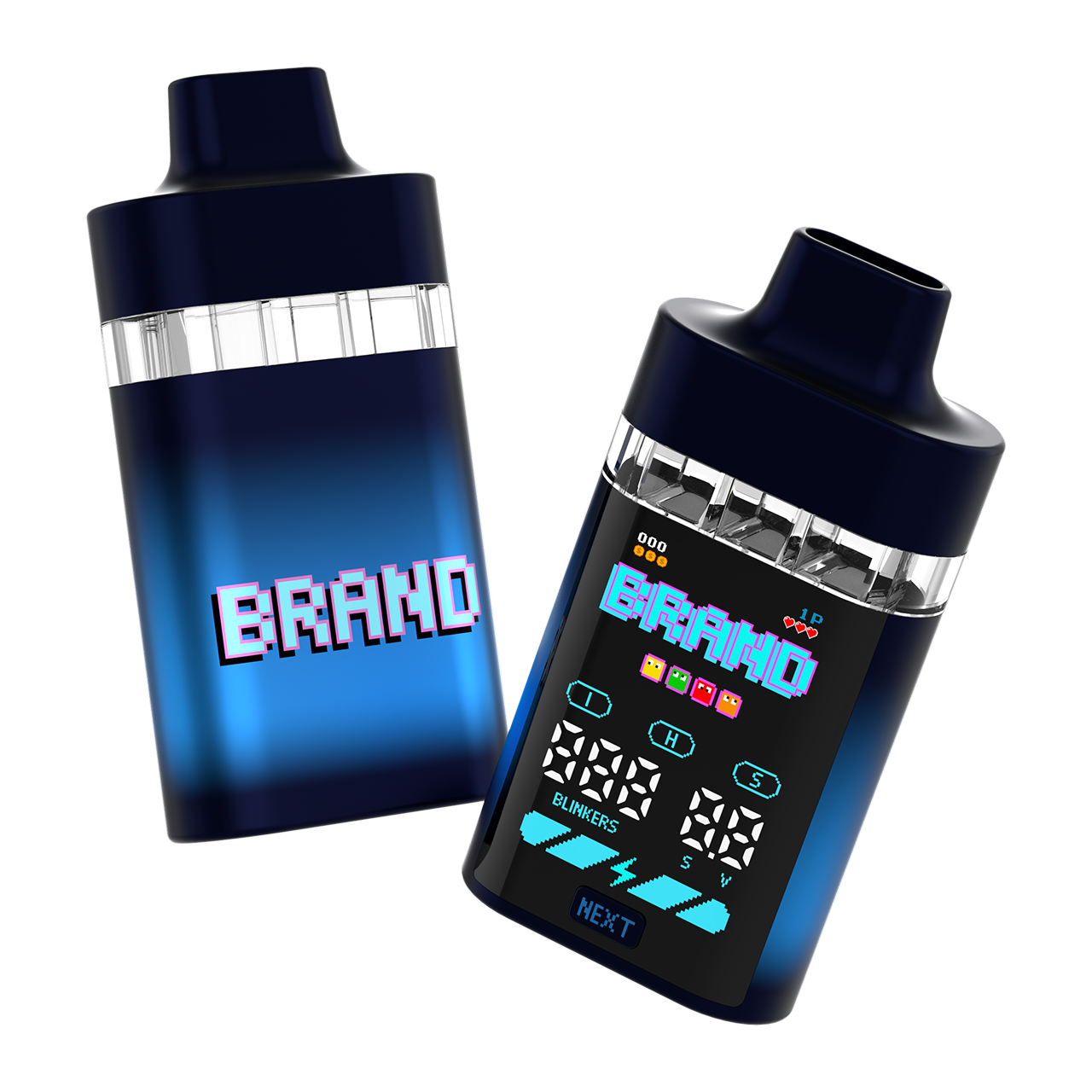
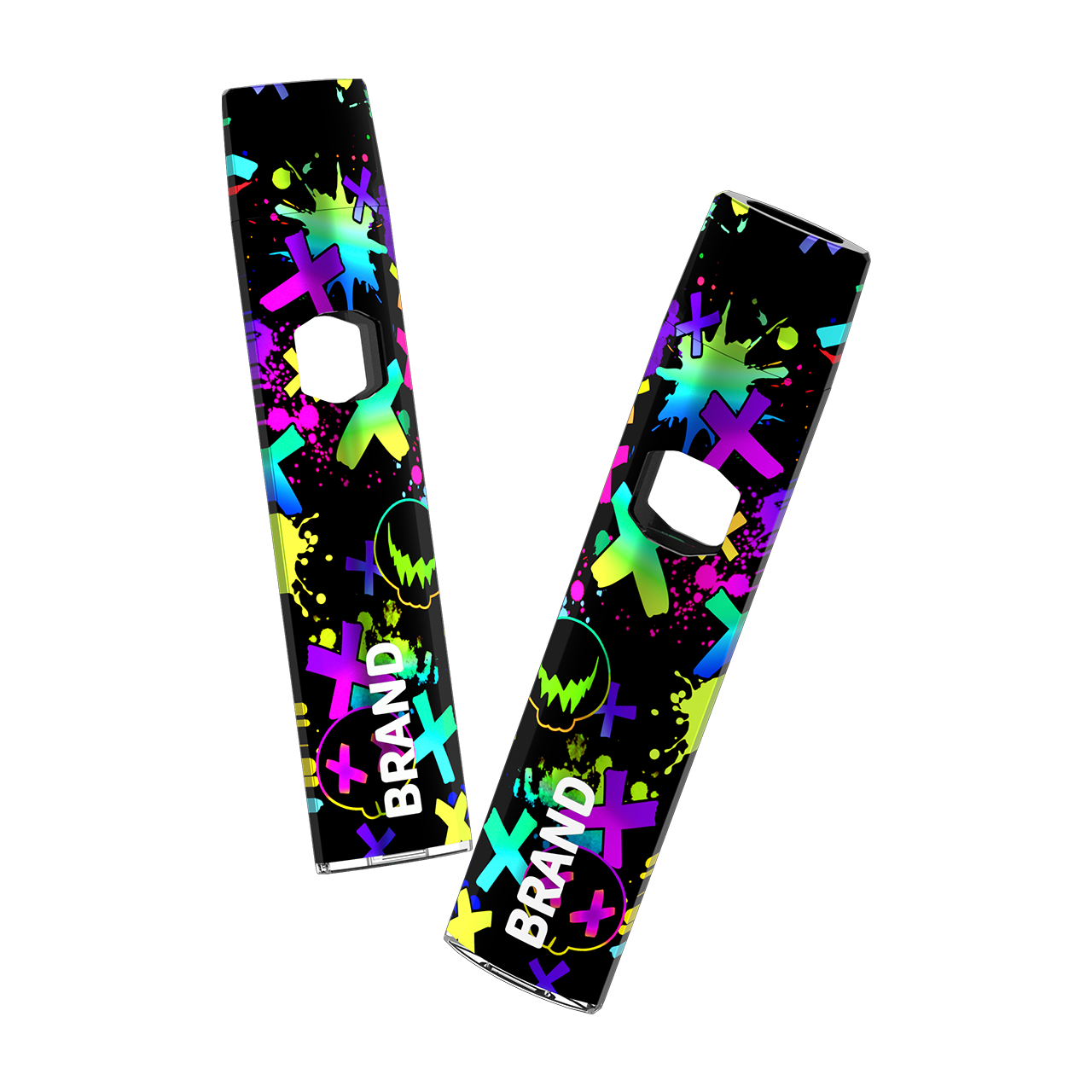
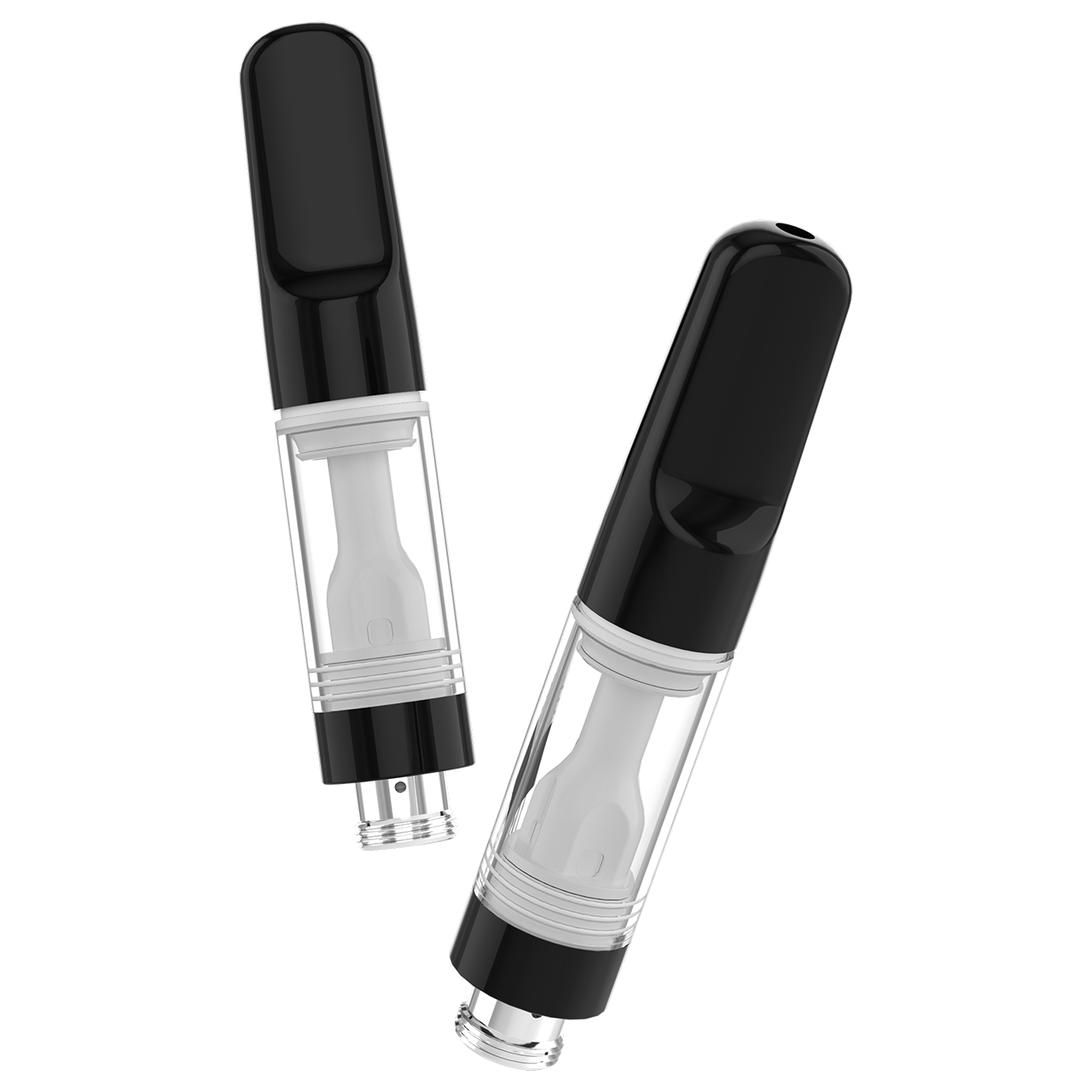
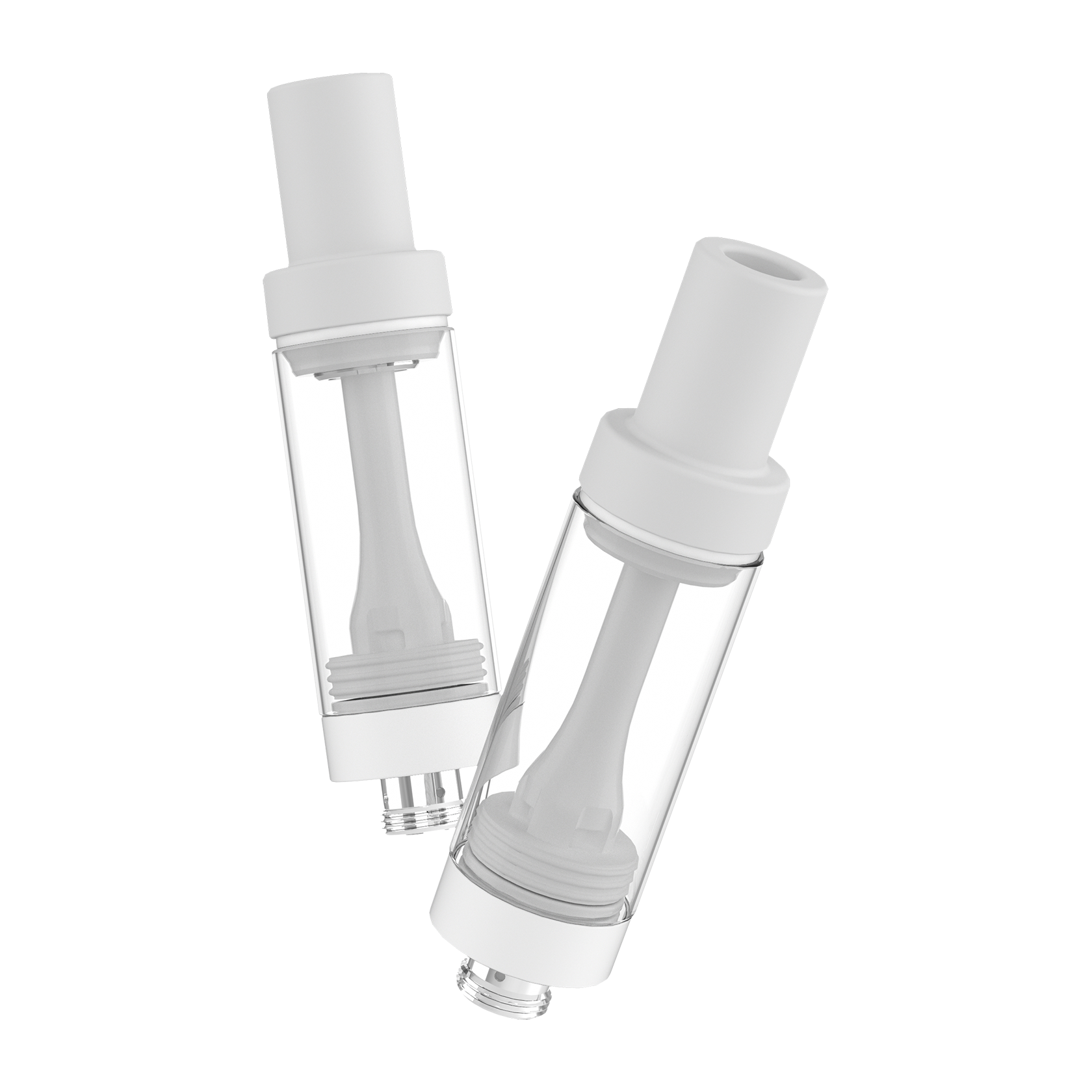
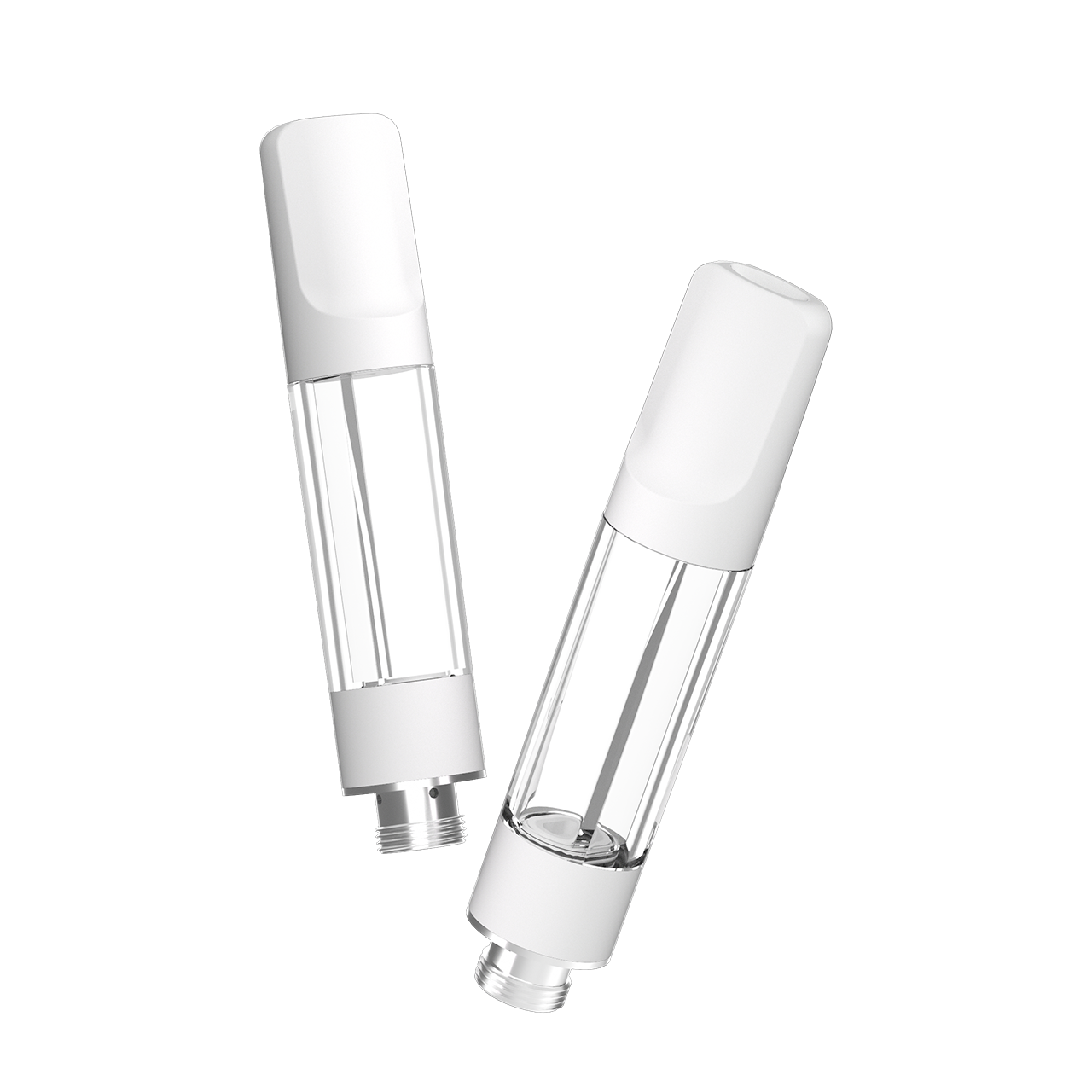
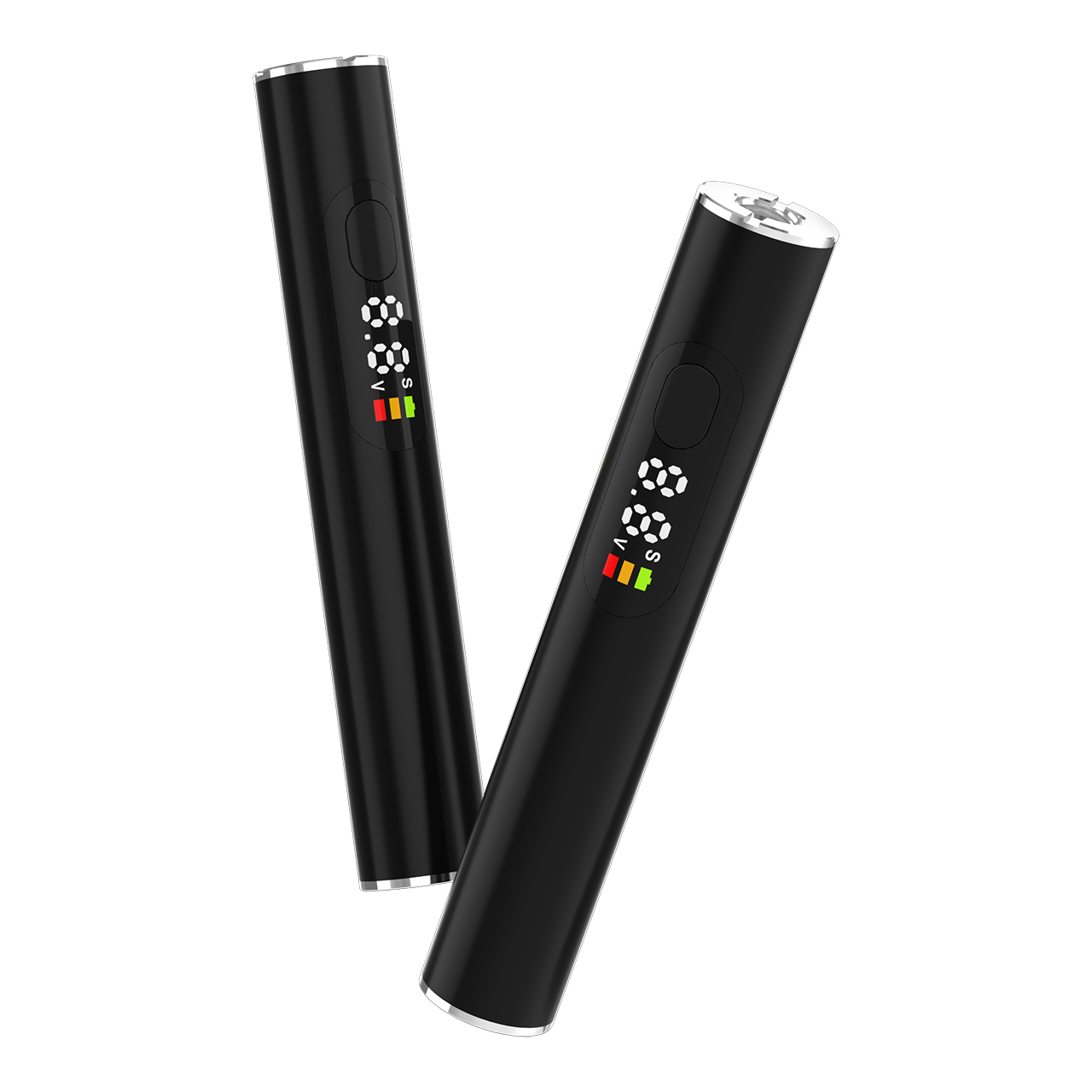
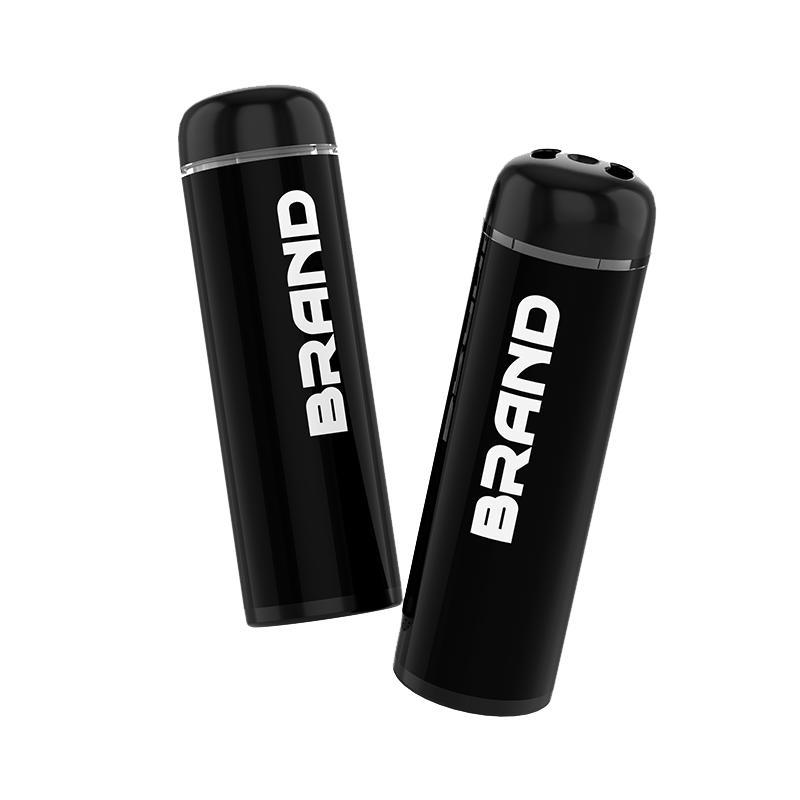
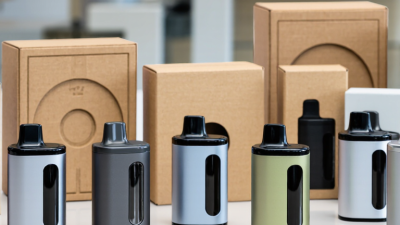
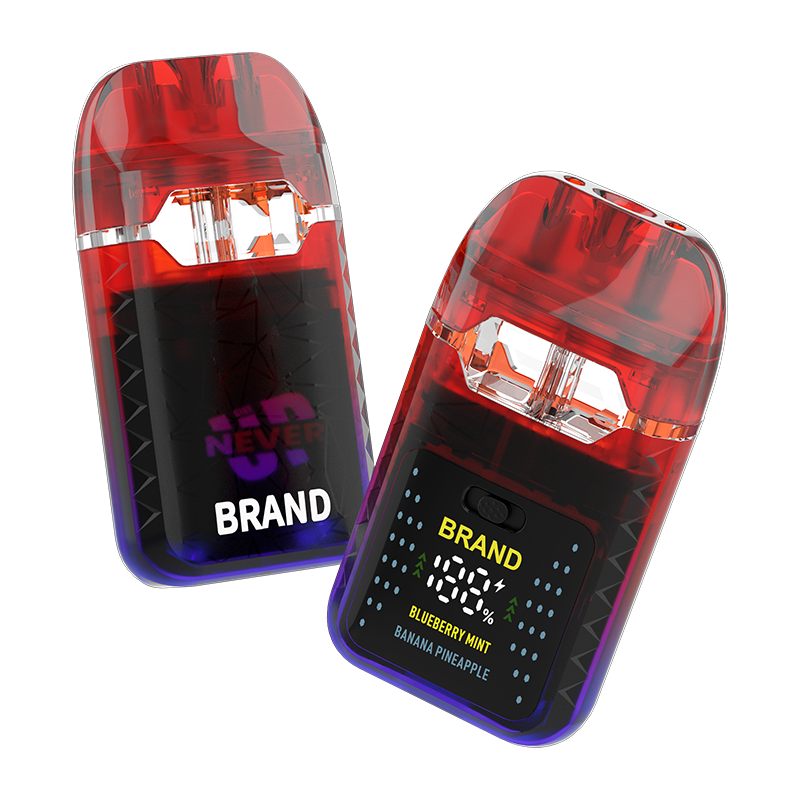
Global buyers often need more than attractive packaging when choosing custom vape formats. Device shape, battery capacity, airflow, and filling method affect daily use. A compact disposable may suit short trips, while a refillable pod can reduce packaging waste. Regional preferences also matter. Some users prefer slim devices, soft mouthpieces, or clear liquid windows.
Customization should follow local rules, testing standards, and transparent labeling. This is especially important when researching terms such as Cbn Vape. CBN-related products may face different restrictions across markets, and claims about sleep, pain, or wellness require strong evidence. A reliable supplier should provide batch records, ingredient details, laboratory testing, and age-control procedures. Avoid unclear blends. Small print matters.
Tips: Define the target market before changing the design. Check permitted ingredients and electrical requirements in every destination. Test the mouthpiece for heat, leaking, and loose seals. Ask for samples, not only digital renders. Buyers can overestimate visual appeal; a beautiful device feels poor when the button sticks. I have found that simple feedback from real users often reveals this earlier. Also, custom colors may vary between production runs, so approve a physical sample before ordering.
The chart compares representative e-liquid capacities commonly associated with seven customizable vape formats. Refillable pod systems prioritize portability, while pod mods, box mods, and squonk systems support higher-capacity use. Actual capacity, nicotine limits, labeling, and permitted formats vary by destination market.
For global buyers, customized vape hardware should begin with use conditions, not appearance. A compact pod suits commuters, while a larger refillable device supports longer sessions. Grand View Research valued the global e-cigarette and vape market at approximately USD 28.2 billion in 2023. That scale increases the need for reliable specifications, not louder marketing.
Hardware details matter. Buyers should request leak testing, food-contact material documentation, and clear coil compatibility. A refillable tank can reduce packaging waste, but poor seals may cause liquid around the mouthpiece. Small faults become expensive quickly. Power systems also deserve careful review. USB-C charging, overcharge protection, short-circuit protection, and stable output are practical requirements. Battery data should reference recognized safety testing, such as IEC 62133-2, where applicable. Higher wattage is not automatically better; it can increase heat, consumption, and user discomfort.
Cbd Vape products require extra caution. Local rules differ widely for CBD ingredients, labeling, advertising, and vapor products. The World Health Organization has warned that e-cigarette emissions may contain potentially harmful substances, so compliant design should avoid unverified health claims. Buyers should check laboratory testing, ingredient traceability, child-resistant packaging, and disposal guidance. This is where customization becomes less glamorous. A transparent batch code may matter more than a metallic finish. My practical preference is simple controls, replaceable parts, and restrained power. Some designs still prioritize novelty, and that deserves reconsideration.
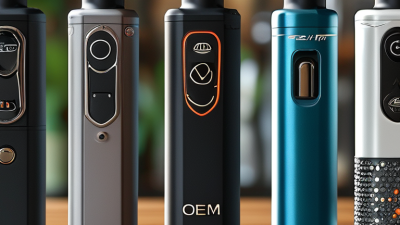
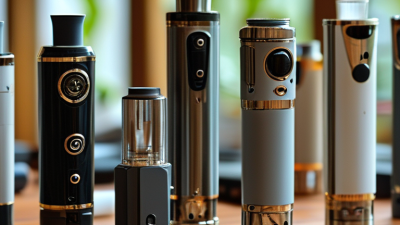
Custom vape options are easiest to compare when materials, finishes, and branding receive equal attention. Aluminum bodies offer light weight and clean machining, while stainless steel provides a denser, more durable feel. PCTG components can support transparent windows, but buyers should request material documentation and migration testing. Glass may look refined, yet it needs stronger packaging and careful shipping controls.
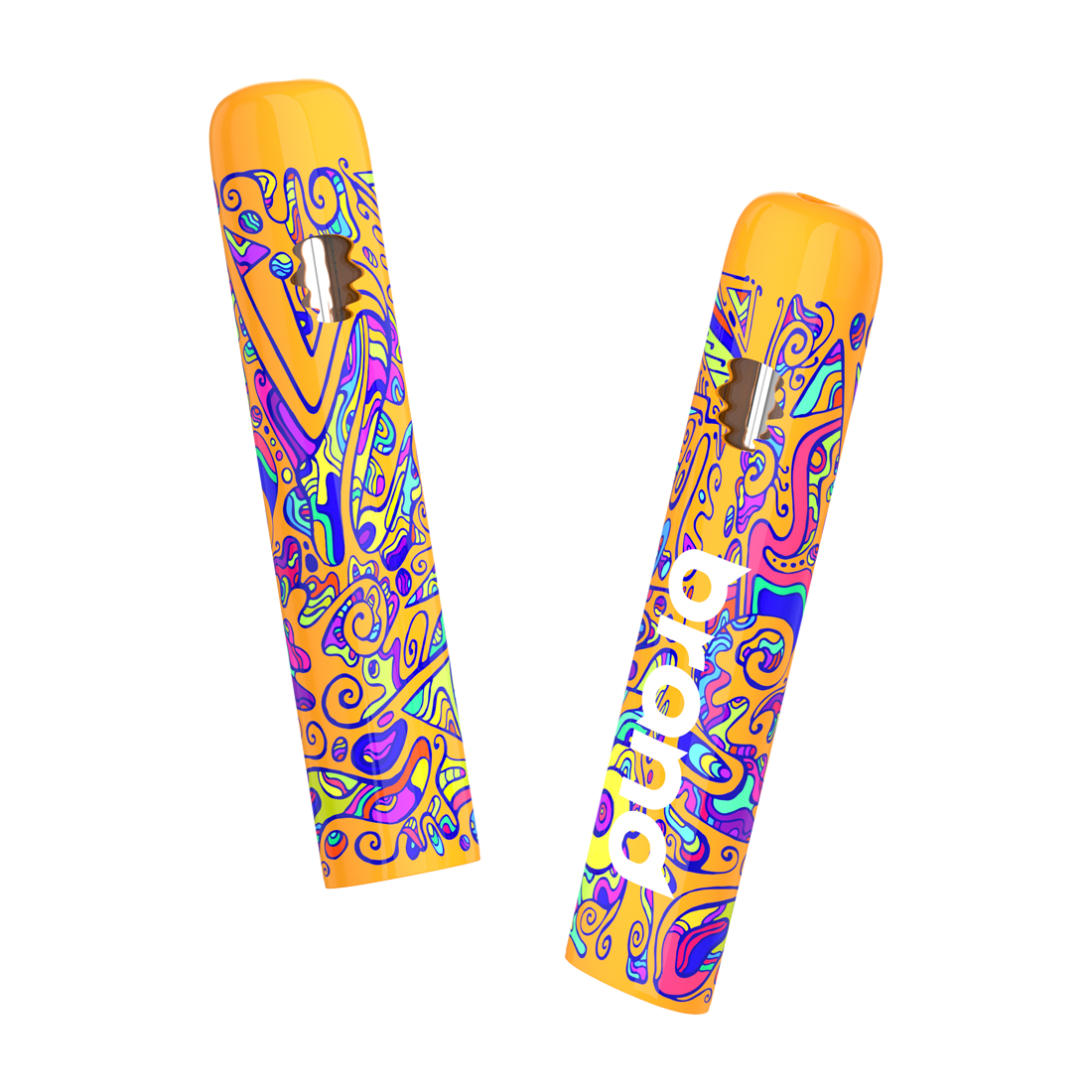
Finish changes both appearance and handling. Anodizing creates a durable color layer on aluminum, while powder coating can add stronger visual variety. Matte textures hide fingerprints better than polished surfaces. Soft-touch coatings feel comfortable, but they may wear near pockets, buttons, or charging ports. Test samples matter. Photos can mislead.
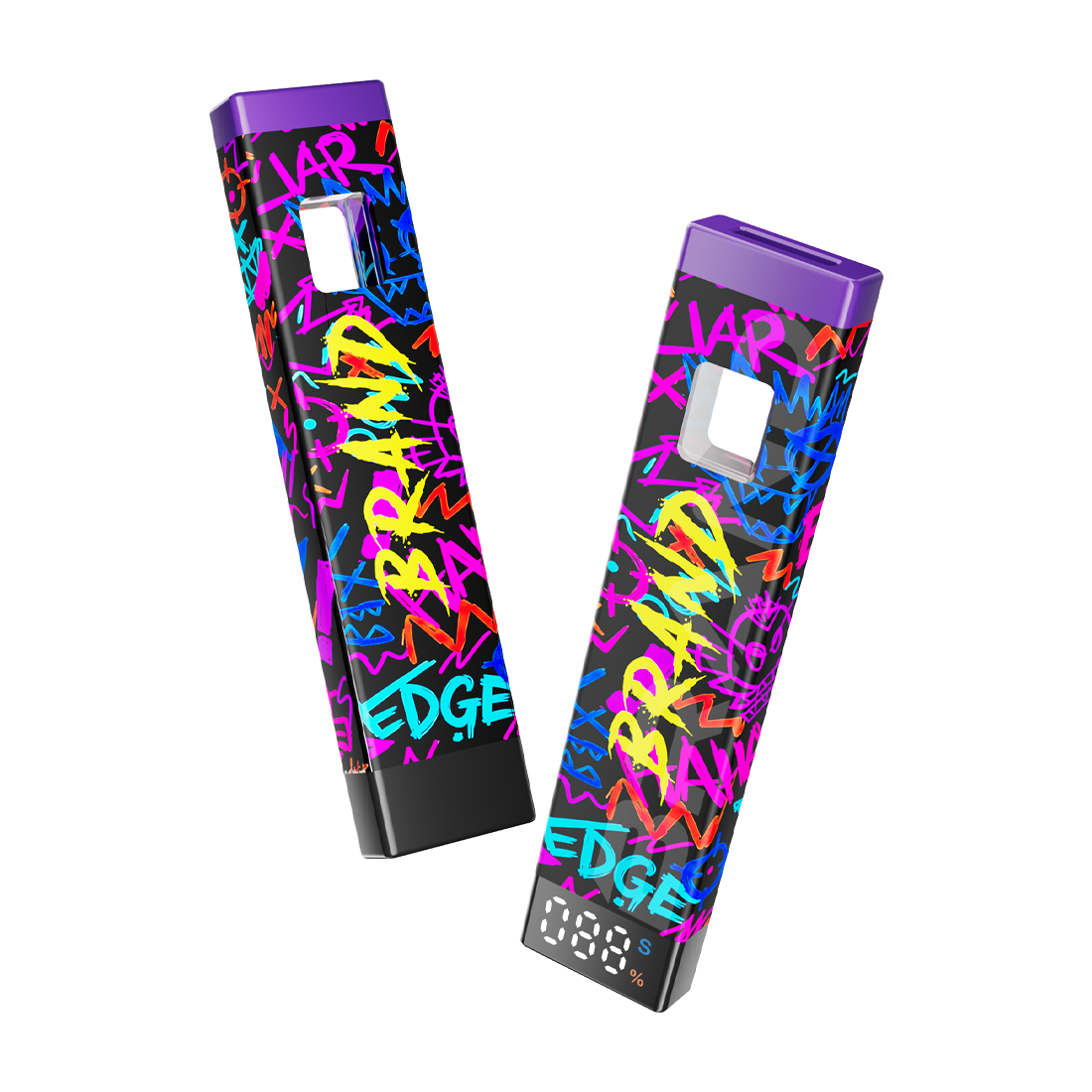
Branding should remain legible without weakening product safety information. Laser marking suits metal surfaces and resists fading. UV printing supports detailed graphics, although abrasion testing is necessary. Embossed logos add depth to cases and packaging. For global buyers, confirm language requirements, recycling marks, age restrictions, electrical documentation, and destination-market labeling before production. A reliable supplier should provide batch records, inspection photos, and clear material certificates. Custom colors can also vary between production runs; this small issue often becomes expensive. Leave room for revision.
| Customization Option | Typical Device Format | Common Body Materials | Available Finishes | Branding Potential | Typical Battery Configuration | Recommended Buyer Profile | Global Considerations | Customization Flexibility |
|---|---|---|---|---|---|---|---|---|
| 1. Custom Disposable Vape | Pre-filled, draw-activated device designed for single-use operation | Aluminum shell, ABS plastic, polycarbonate mouthpiece | Matte, glossy, soft-touch, metallic, gradient, and color-matched finishes | High: body graphics, logo placement, flavor identification, packaging, and QR labels | Integrated lithium-ion battery, commonly around 350–650 mAh depending on size | Buyers seeking simple operation, compact packaging, and high visual shelf impact | Capacity, nicotine limits, labeling, recycling, and single-use restrictions vary by market | ★★★★★ |
| 2. Custom Prefilled Pod System | Rechargeable battery with replaceable prefilled pods | Aluminum alloy, zinc alloy, PCTG, and polycarbonate | Brushed metal, anodized, electroplated, rubberized, and textured coatings | High: device shell, pod artwork, carton design, inserts, and instruction materials | Rechargeable lithium-ion battery, often approximately 350–800 mAh | Buyers wanting reduced device waste compared with single-use formats | Pod compatibility, liquid capacity, child-resistant requirements, and emissions rules must be checked locally | ★★★★★ |
| 3. Custom Refillable Pod Kit | Rechargeable device with a refillable tank or cartridge | Aluminum alloy, stainless steel, PCTG, and food-contact-grade plastics where applicable | Anodized, powder-coated, laser-etched, sandblasted, and satin finishes | Medium to high: device engraving, cartridge markings, packaging, and accessory sets | Rechargeable battery, commonly around 500–1,500 mAh | Experienced users and buyers prioritizing repeat use and lower packaging volume | Leak resistance, refill instructions, tank capacity, and youth-access controls are important compliance factors | ★★★★☆ |
| 4. Custom Vape Pen | Slim cylindrical device with a built-in tank or cartridge connection | Stainless steel, aluminum alloy, glass tank sections, and PCTG | Polished, brushed, anodized, ceramic-coated, and color-sprayed finishes | Medium: tube printing, laser marking, logo engraving, and custom retail packaging | Rechargeable battery, typically about 650–1,500 mAh | Buyers who prefer a discreet form factor and straightforward product design | Connector specifications, charging safety, labeling, and transport rules should be confirmed before export | ★★★★☆ |
| 5. Custom 510-Thread Battery | Compact battery designed for compatible threaded cartridges | Aluminum alloy, stainless steel, ABS, and polycarbonate | Matte, polished, anodized, soft-touch, printed, and laser-engraved finishes | High for compact branding: logo engraving, button design, color, charging case, and packaging | Rechargeable lithium-ion battery, frequently around 280–650 mAh | Buyers needing a small, portable battery platform for cartridge-based products | Thread compatibility, activation method, battery protection, and cartridge regulations differ by jurisdiction | ★★★★☆ |
| 6. Custom Box Mod | Advanced variable-power device with a larger control interface | Zinc alloy, aluminum alloy, stainless steel, leather or synthetic leather panels | Powder coat, rubberized coating, carbon-style panels, engraving, and removable inlays | Very high: housing panels, screen interface, button layout, firmware presentation, and gift packaging | Single or dual removable cells, commonly using protected high-drain cylindrical batteries | Advanced adult users and specialist retailers seeking premium product positioning | Battery safety, charger compatibility, power limits, user instructions, and certification documentation are essential | ★★★★★ |
| 7. Custom Closed-Loop Pod Platform | Proprietary device ecosystem using sealed or restricted-access replacement pods | Aluminum alloy, zinc alloy, PCTG, polycarbonate, and stainless steel components | Metallic, satin, UV-printed, soft-touch, high-gloss, and two-tone finishes | Very high: device, pod, charging case, outer carton, inserts, and retail display materials | Rechargeable integrated battery, commonly around 400–1,000 mAh | Buyers building a coordinated product range with recurring pod sales | Closed-system rules, pod waste, liquid registration, packaging language, and market authorization require review | ★★★★★ |
For global buyers, customized vape options should begin with battery safety, not exterior colors. The U.S. Fire Administration recorded 195 electronic-cigarette fire or explosion incidents from 2009 to 2016. Its report linked many events to charging failures, with 80% occurring during charging. These figures are older, but the risk remains practical. Ask suppliers for protected cells, thermal cutoffs, short-circuit protection, and documented charge-cycle testing.
Quality control needs measurable evidence. IEC 62133-2 testing covers rechargeable lithium cells and battery safety under abuse conditions. UL 8139 also evaluates electrical, heating, and charging risks in vaping devices. Reliable factories should provide batch records, cell traceability, insulation checks, leak tests, and sample retention. A useful inspection includes charging several units beside a temperature logger. Small temperature rises can reveal weak protection. I once treated a perfect casing as proof of quality; that was a poor assumption.
Reliability also depends on transport and legal review. IATA’s 2025 Dangerous Goods Regulations require spare lithium batteries to remain in carry-on baggage, with terminals protected against short circuits. Buyers should verify packaging, watt-hour ratings, and destination rules before shipment. Any Thc-O Vape configuration requires extra scrutiny, because THC-O products may be restricted or prohibited in some jurisdictions. Customization is not compliance. Supplier certificates can also be incomplete, outdated, or unrelated to the actual production batch. Raw testing data is more useful than polished marketing language.
Global buyers often begin with design, battery capacity, and flavor preferences. Compliance should come earlier. A customized vape product may be acceptable in one market but restricted in another. Regional rules can cover nicotine strength, ingredient disclosure, device dimensions, packaging, advertising, and import procedures. Check official government sources before confirming specifications. Requirements vary sharply.
For example, some jurisdictions require child-resistant packaging and clear health warnings. Others limit nicotine concentration or prohibit certain flavor descriptions. Product labels may need the local language, batch numbers, manufacturer details, and disposal instructions. Keep technical files ready, including battery test reports, material declarations, and quality-control records. These documents support traceability during customs checks or market inspections.
An experienced compliance review should examine the complete product, not only the cartridge. Confirm charging safety, leakage resistance, chemical composition, and electrical protection. Ask an independent testing laboratory to verify critical claims. Do not rely on a supplier’s old certificate; regulations and product designs can change. That mistake is easy to make. We also need to admit that global compliance is rarely permanent. A product approved today may require new labels tomorrow. Local legal counsel or an authorized regulatory consultant can clarify uncertain points before production, shipment, or online listing. tunngatillugu
Selecting a supplier requires more than comparing prices. Grand View Research estimated the global e-cigarette market at USD 18.13 billion in 2023. That scale attracts capable factories and unreliable traders. Request business licenses, quality certificates, material specifications, and export records. For Cbd Oil Vape products, confirm local legality before discussing production. CBD rules differ sharply between countries. A supplier should explain testing limits clearly, not promise universal approval.
Testing samples reveals details that catalog photos hide. Order several units from the same production batch. Check airflow, battery performance, leakage, charging safety, packaging, and label accuracy. Ask for independent laboratory reports covering ingredients, contaminants, and nicotine content. The WHO reported about 1.25 billion adult tobacco users worldwide in 2022, but market demand does not replace safety evidence. My practical mistake was trusting one attractive sample. A second batch exposed inconsistent filling. Small checks matter.
Tips: Use a written sample checklist. Keep one sealed unit for comparison. Confirm the minimum order quantity, lead time, warranty process, and spare-part availability. For global orders, calculate duties, shipping restrictions, customs documents, and regional packaging requirements before paying. Use staged payments with clear inspection milestones. Avoid vague terms such as “premium quality.” Request measurable standards instead. Buyers should also verify age-control procedures and avoid shipments to restricted destinations. Some suppliers resist questions. That is useful information, although I sometimes notice these warning signs too late.
Aluminum is lightweight and easy to machine. Stainless steel feels heavier and more durable. PCTG can create clear viewing windows. Request material records and migration testing. Glass looks refined but needs stronger packaging. Materials matter more than photos suggest.
Anodizing creates a durable color layer on aluminum. Powder coating offers broader visual choices. Matte surfaces hide fingerprints better. Soft-touch coatings feel comfortable but may wear near pockets and charging ports. Test samples before approving production.
Laser marking suits metal and resists fading. UV printing supports detailed graphics but needs abrasion testing. Embossing adds depth to cases and packaging. Branding should never cover safety information, recycling marks, or required warnings.
Confirm destination-market rules before production begins. Check language requirements, age restrictions, recycling symbols, electrical documents, and product labels. Ingredient restrictions can differ widely between countries. Universal approval does not exist.
Request business licenses, quality certificates, material specifications, and export records. Ask for batch records and inspection photographs. Clear material certificates are important. Vague claims like “premium quality” prove very little.
Order several units from one production batch. Check airflow, battery behavior, leakage, charging safety, packaging, and label accuracy. Request independent reports for ingredients, contaminants, and nicotine content. One attractive sample is not enough.
Use a written sample checklist. Keep one sealed unit for comparison. Confirm minimum quantities, production time, warranty terms, and spare-part availability. Custom colors may vary between batches. That small difference can become expensive.
Calculate duties, shipping limits, customs documents, and regional packaging needs before payment. Use staged payments with inspection milestones. Verify age-control procedures and restricted destinations. Some warning signs appear late. Mine did.
Choosing the right customize vape option for global buyers requires a clear understanding of product formats, user expectations, and regional requirements. Buyers should compare device structures, power systems, charging methods, and refillable designs while considering portability, ease of maintenance, and consistent performance. Customization may include material selection, surface finishes, color schemes, packaging, and private branding, but every design choice should support durability, usability, and responsible communication.
Safety and reliability are equally important. Suppliers should provide clear battery protections, stable components, quality-control procedures, and sample testing before large orders are placed. Buyers should also confirm that materials, labeling, packaging, and product specifications align with the regulations of each intended market. A careful sourcing process includes reviewing supplier capabilities, testing prototypes, checking documentation, and planning production timelines, shipping conditions, and after-sales support. By balancing design flexibility with safety, compliance, and dependable supply management, buyers can develop customized vape products suited to diverse markets without compromising product responsibility.