
Picking out a CBD vape factory for sourcing internationally isn’t just about comparing prices or flipping through product photos. Honestly, you need to dig a little deeper—look into their manufacturing controls, ingredient records, traceability of batches, and how clear their supplier documentation really is. Even a sleek catalog can sometimes hide questions that need answering. So, don’t be shy—ask for up-to-date, product-specific test reports and make sure you know which independent lab did the testing. It’s also a good idea to see if the factory can explain their quality procedures in plain English—that way, you’re not left scratching your head. Small details can make a big difference, like consistent batch codes, legible labels, and quick responses about material specs.
This guide actually points out seven manufacturers for global buyers to check out—no one supplier is perfect for everyone. Each one should be evaluated based on your target market, what kind of products you're after, how much you plan to order, and local rules. Keep in mind, regulations vary from country to country and can change pretty fast, so be sure to double-check everything with qualified local professionals before you place that order. Don’t just assume that what’s accepted in one market will cut it elsewhere. Make sure to ask for everything in writing, compare records across different batches, and clarify who’s responsible for testing, packaging, and shipping. Yes, it can feel slow going, but trust me, it’s worth it. No matter how experienced you are, those potential gaps slip through when you’re in a rush. Use these profiles as a helpful starting point for thorough due diligence—not as a guarantee that the products will be perfect or compliant or that they’ll deliver exact results every time.

CBD vape factories connect ingredient suppliers, device makers, testing services, and finished-product buyers. Their work may include receiving documented ingredients, blending formulations, filling cartridges, assembling devices, and preparing packaging. Some factories handle these steps in-house; others coordinate outside suppliers. That distinction matters. A buyer should know who performs each task.
Production controls are practical, not abstract. Staff may check fill weights, inspect seals, and record batch numbers. Testing documents can help verify stated contents and screen for specified contaminants. Device materials also deserve attention: heat exposure and component compatibility should be assessed through appropriate testing. Small details matter. A polished sample proves little about routine production.
Reliable factories can provide traceable records, clear specifications, and a defined process for handling defects. Buyers can request facility information, review test reports, and compare samples with written requirements. Paperwork can look tidy while gaps remain, so independent checks may be useful. This step is easy to underestimate. Product rules differ by market, and factories cannot replace a buyer’s own regulatory review. Ask direct questions, keep the answers, and revisit them when suppliers or processes change.
Global buyers should evaluate CBD vape manufacturers with evidence, not polished sales language. A brochure proves little. Request current quality-system records, product specifications, and batch-level test reports from an independent laboratory. Check that reports identify the tested material, methods, dates, and relevant contaminants. Confirm the testing scope matches the product you plan to purchase; a certificate for one component may not cover a finished product.
Ask how the manufacturer controls ingredients, production records, and changes between batches. Traceability matters. You should be able to follow a lot from incoming materials to packaged units. Review sample packaging for clear batch codes and check whether the supplier can explain its complaint and recall procedures. An empty vape factory may supply hardware only, so confirm who is responsible for the device, formulation, testing, and final quality checks. Those responsibilities can be easy to blur in a sales conversation.
Request device-compatibility data, including leakage checks and performance under stated conditions. Ask for the test protocol, not just a pass statement. A small sample order can reveal inconsistent filling, damaged seals, or vague documentation, though it cannot prove long-term reliability. Requirements differ by destination, so buyers should verify current local rules with qualified advisers before placing orders. I would also record unanswered questions; a neat audit checklist can still miss something.
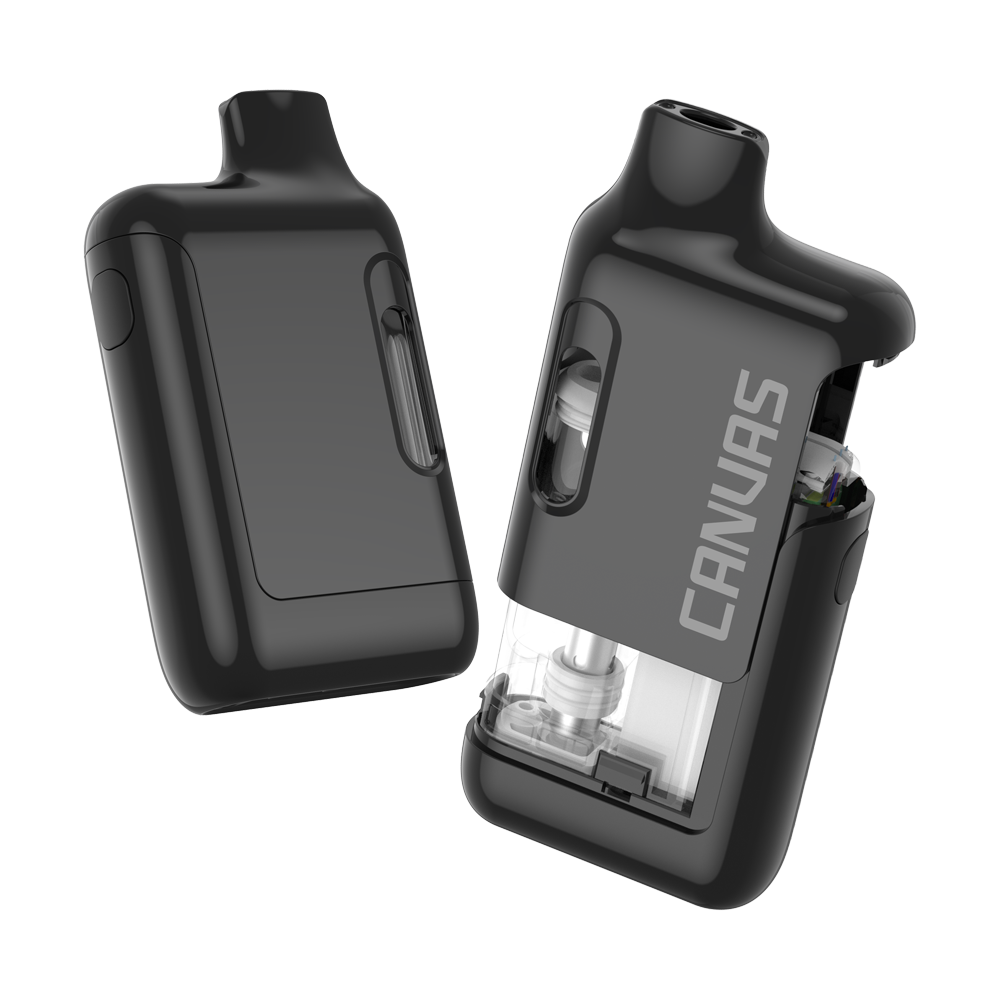
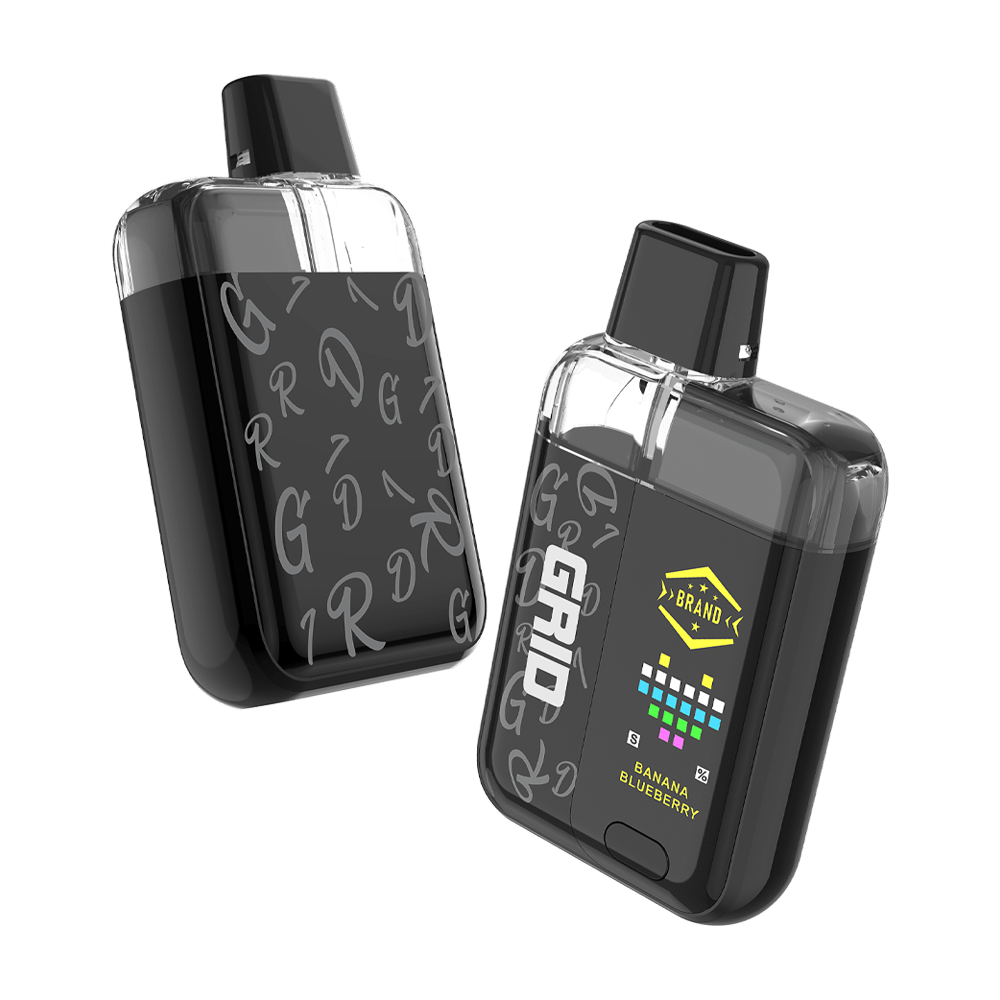
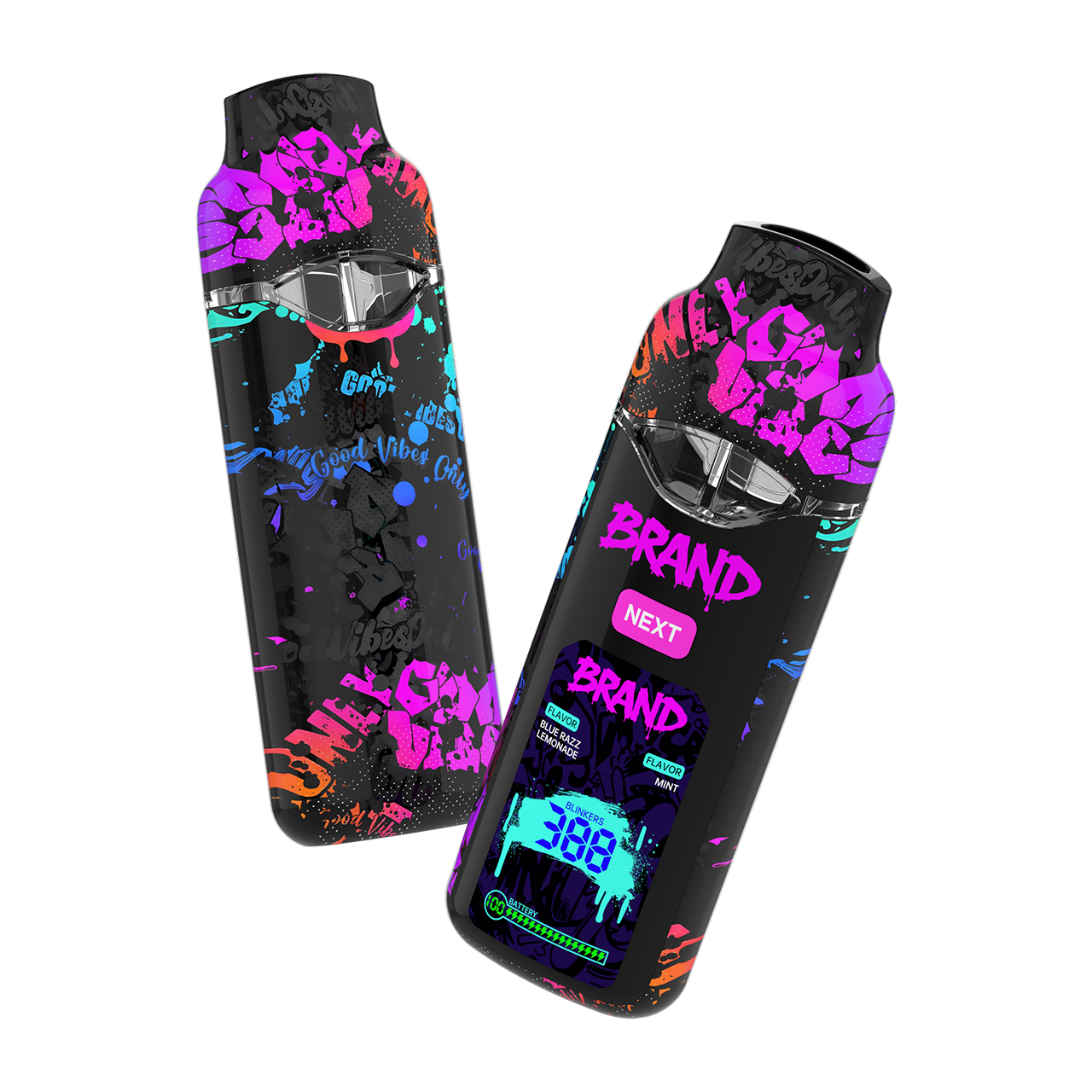
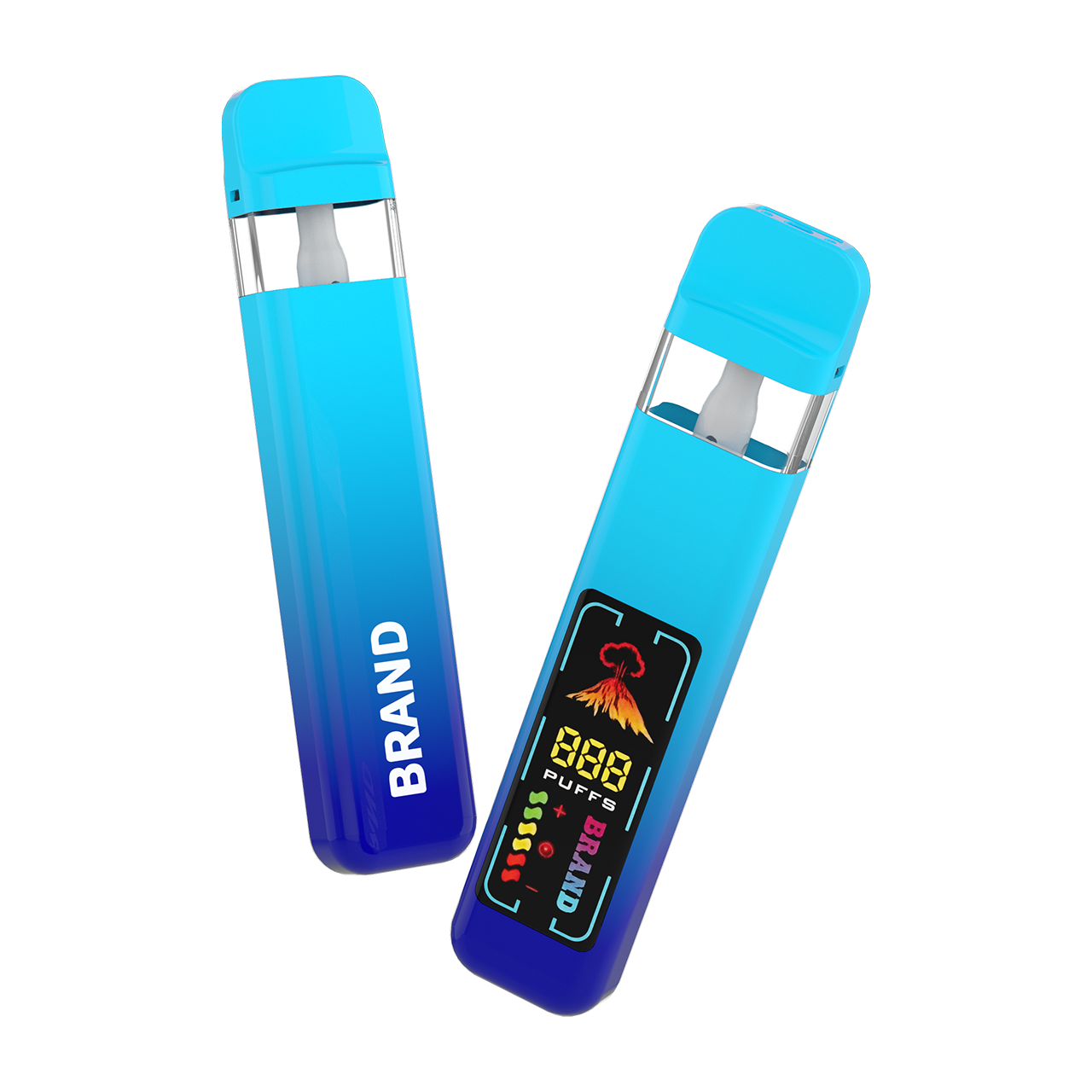
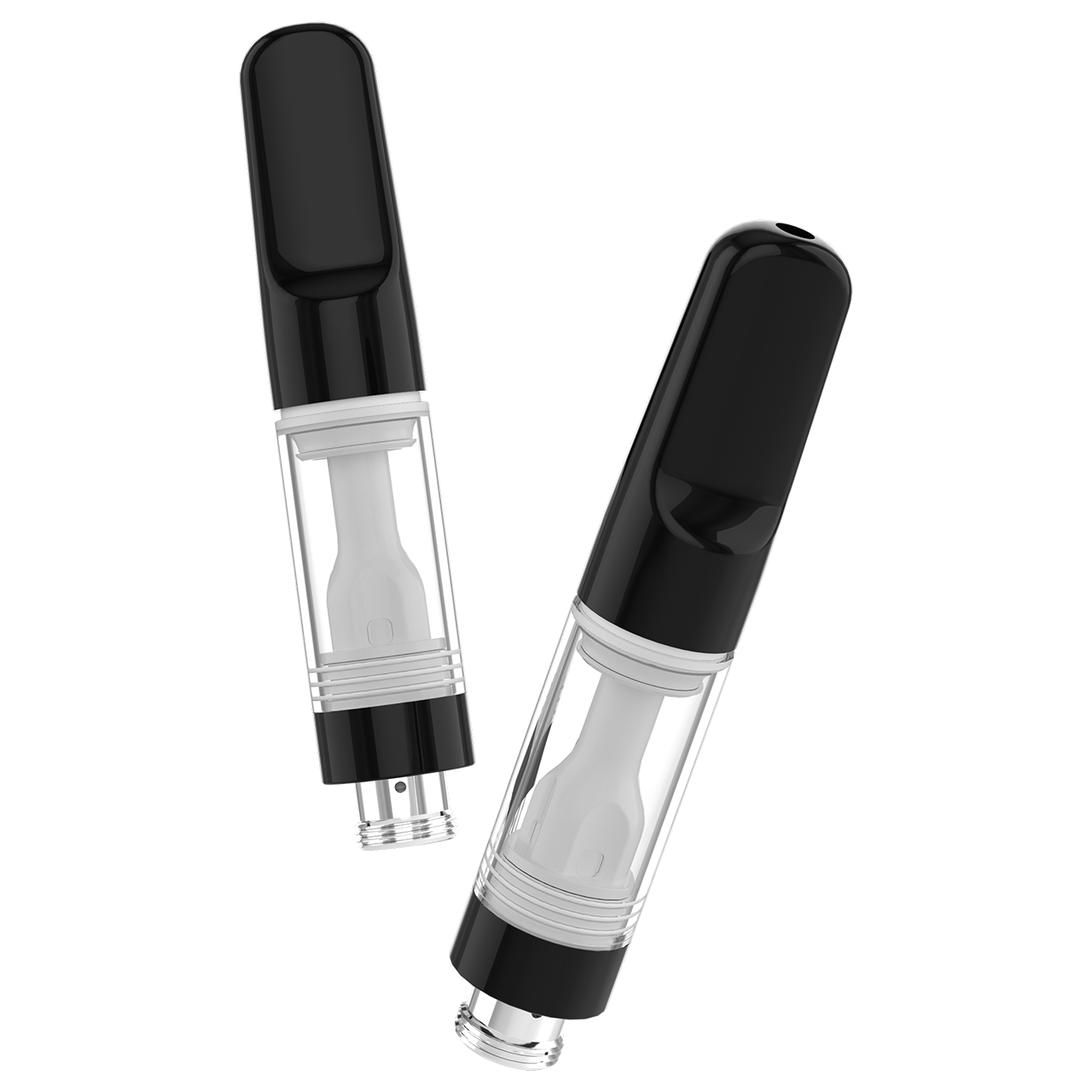
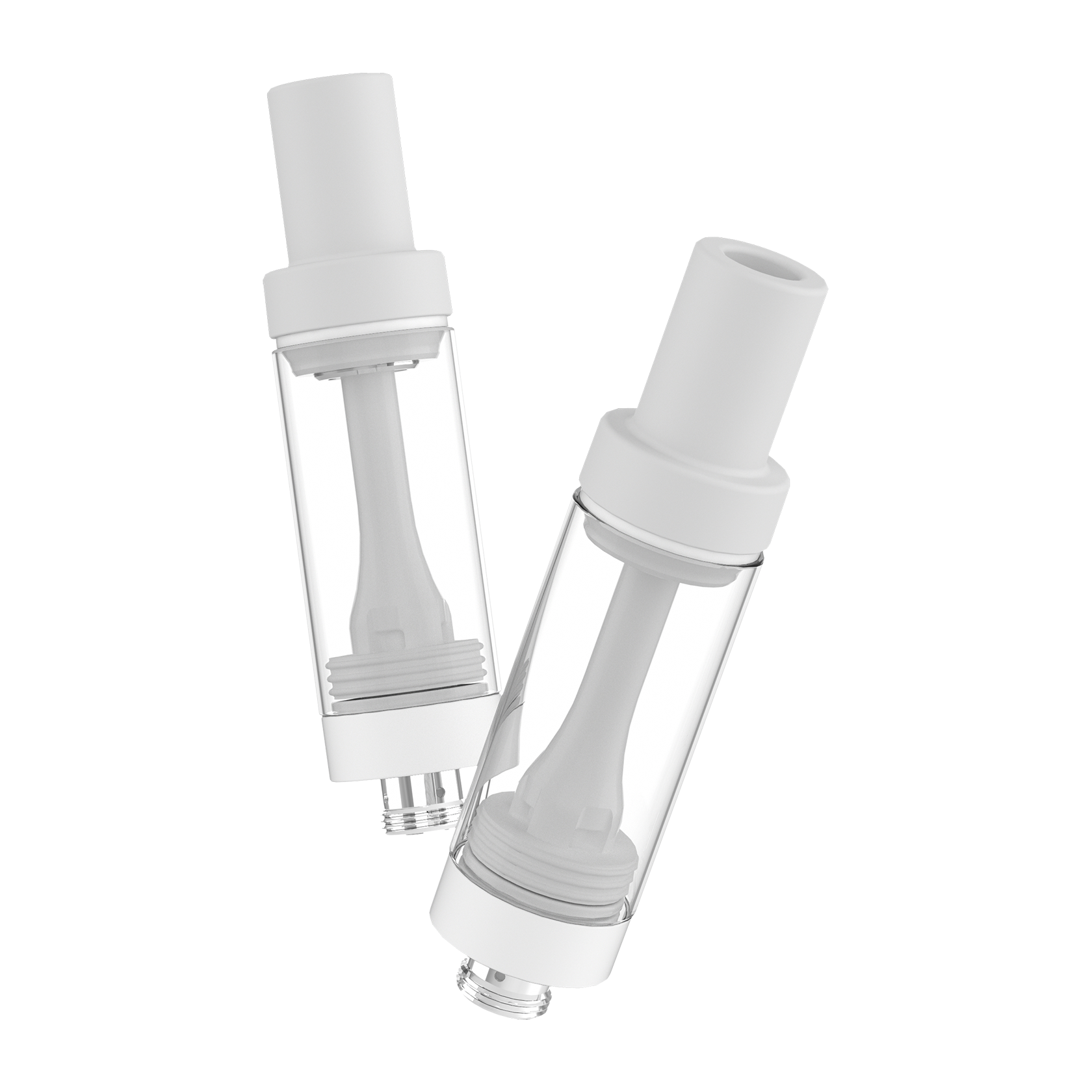
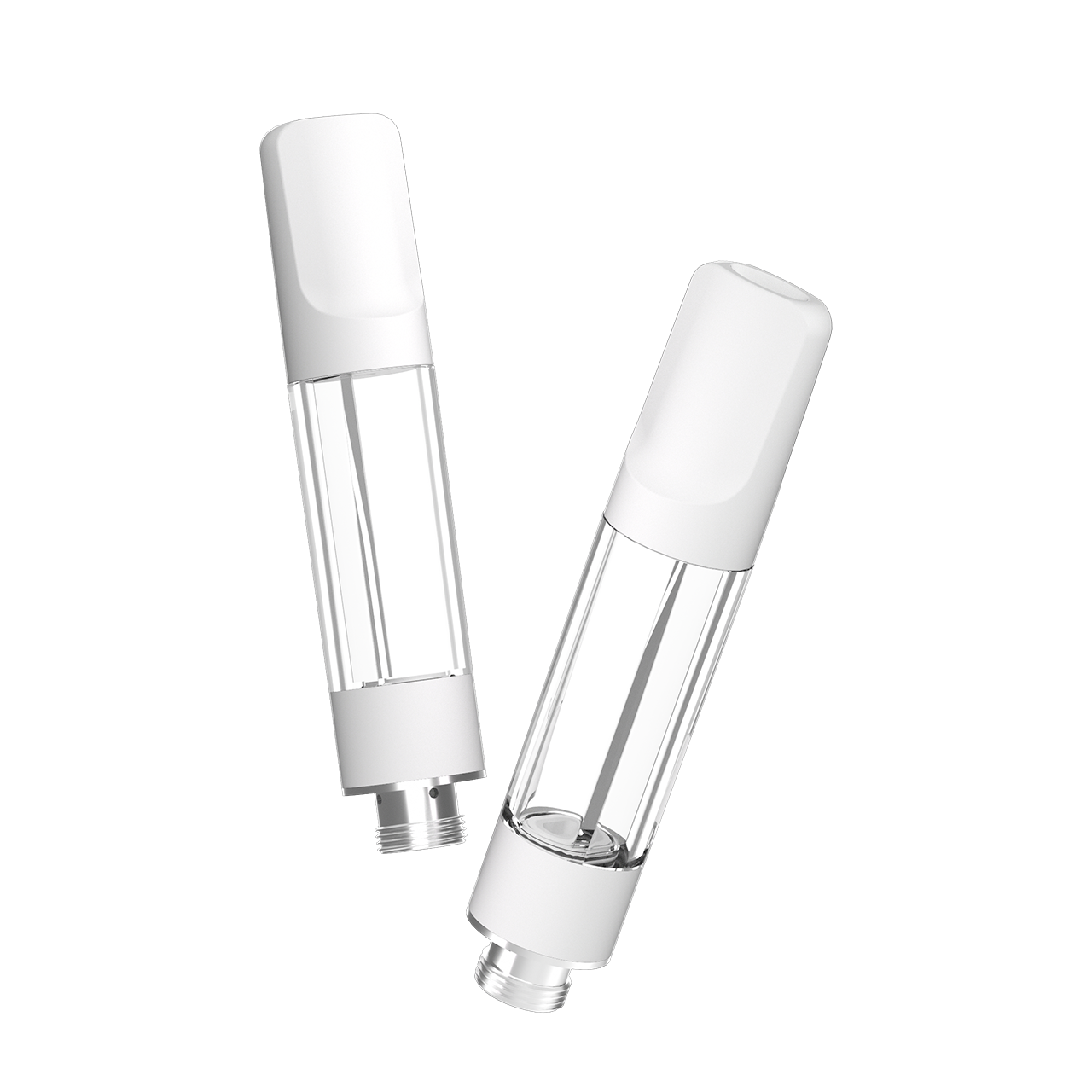
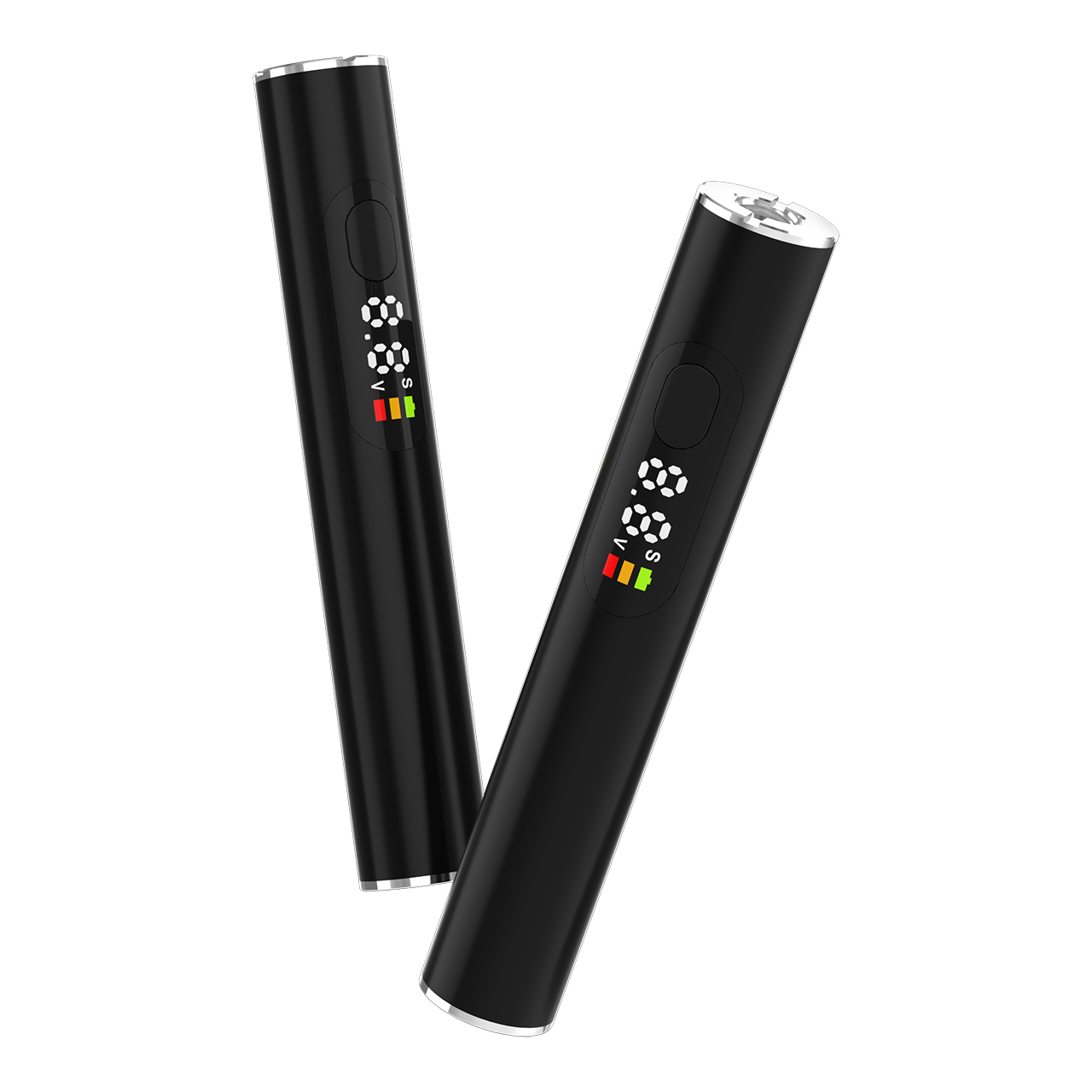
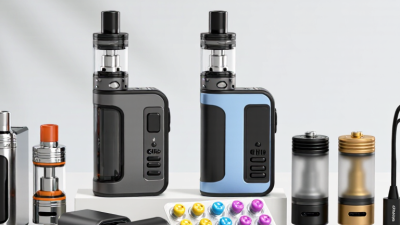
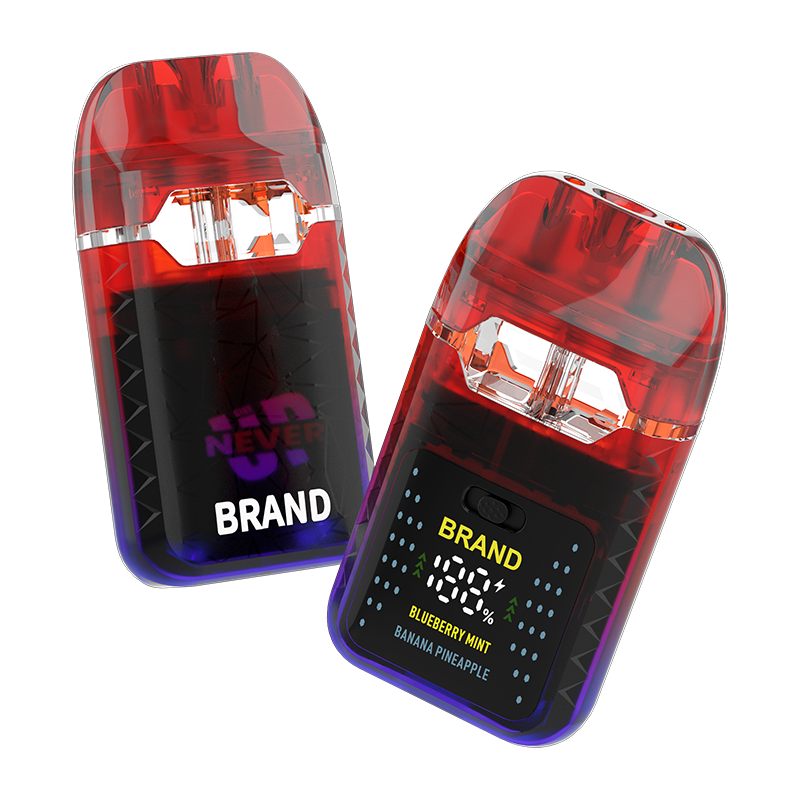
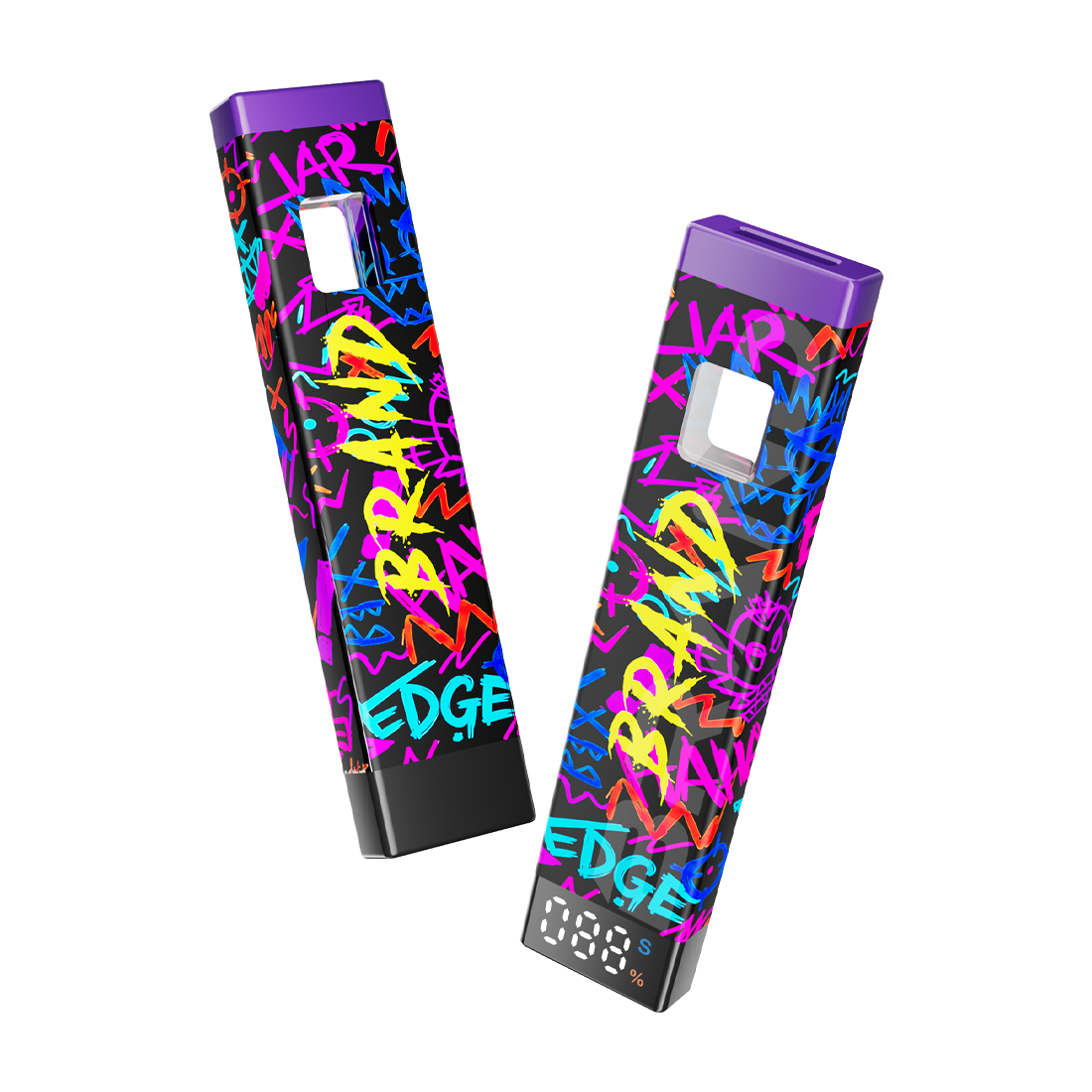
CBD vape factories differ in cartridge formats, filling accuracy, and documentation depth. Common options include disposable devices, refillable cartridges, batteries, and compatible packaging. Buyers can request oil viscosity ranges, ceramic or other heating elements, device colors, logo placement, and carton sizes. Ask for written tolerances, not just a glossy sample.
Grand View Research estimated the global CBD vape oil market at about US$1.2 billion in 2022 and forecast growth through 2030. This is a market estimate, not proof of demand in every destination. A capable vape factory China supplier should provide batch records, ingredient specifications, contaminant testing, and clear production lead times.
Request independent laboratory reports for each finished formulation. Check that labels and product claims match the rules of each intended market. A sample may look excellent, yet performance can change between batches.
Tips: Test samples with the intended oil and device settings. Ask about filling consistency, leak checks, and rejected-unit rates. Confirm who handles testing and shipping documents. Small details matter. One overlooked detail can delay a launch. Manufacturers may not disclose every weakness, so verify claims with records and a pilot order.
Reliable CBD vape manufacturing starts with controlled inputs and records that follow each batch. Ask for supplier qualification files, written production procedures, and lot-specific test reports. Check that reports identify cannabinoid content, screened contaminants, test dates, and batch numbers. Independent laboratory testing adds useful evidence, but a certificate alone cannot prove consistent factory practice. Inspect how staff handle deviations, retain samples, and clean filling equipment. Small details matter.
Tips: Request a recent audit summary and a sample batch record. Compare the batch number on the report with the product paperwork. Ask who investigates a failed result. Clear answers beat polished brochures.
When comparing suppliers, review device-material compatibility, leak checks, fill-volume tolerances, packaging controls, and traceability. Ask whether the factory documents corrective actions after defects. A search for “thc vape factory” can return unclear supplier claims; verify product scope and applicable requirements before proceeding. Tie purchasing decisions to documented quality systems, not promises. No checklist catches everything. Revisit it after complaints or process changes, and record what still needs improvement.
Example cannabinoid analytes to look for when reviewing batch-specific certificates of analysis (COAs).
This illustrative panel lists eight commonly tested cannabinoids; actual laboratory panels vary. For vape products, buyers should also verify relevant testing for contaminants such as residual solvents, pesticides, heavy metals, and microbial impurities. Testing requirements differ by market, so request batch-specific reports and confirm the laboratory’s qualifications.
Profile One is a device-focused vape factory with in-house assembly and documented batch checks. Profile Two emphasizes cartridge components, including measured fit tests and leak inspections. Profile Three offers flexible production runs, which may suit buyers testing demand before larger orders. Profile Four specializes in packaging and export preparation, but buyers should verify which documents it can provide.
Profile Five combines formulation support with production records; ingredient specifications still need independent review. Profile Six focuses on automated filling, where consistent settings can reduce variation but cannot replace testing.
Profile Seven handles several product stages under one roof. That can simplify coordination, though it does not automatically prove stronger quality. These profiles describe different capabilities, not endorsements. A polished catalog is not evidence of reliable operations.
Ask each vape factory for current quality records, sample specifications, and clear answers about production responsibility. Import and product requirements differ by destination, so confirm them with qualified local advisers.
Tips: Request recent, relevant test reports and check that batch details match the samples. Clarify minimum order quantities, lead times, complaint handling, and change-control procedures in writing. Small details matter. A vague answer deserves a second question.
Global buyers should assess export readiness before comparing unit prices. A capable factory can explain product specifications, batch records, packaging materials, and quality checks in plain language. Ask for current certificates of analysis, where applicable, and confirm they match the exact product and batch. Paperwork should be easy to verify, not merely impressive. Small details matter.
Shipping plans require checking destination rules, carrier policies, and product documents before payment. Requirements differ by market and may change. Confirm product eligibility with qualified local advisers, and ask the supplier which documents it can provide. Discuss carton dimensions, temperature exposure, tracking, insurance, and responsibility for delays or damage. A quoted delivery window is not a guarantee.
Supplier communication is part of quality control. Request one named contact, written response times, and a clear process for label approval or specification changes. Keep approved artwork and shipping instructions in dated files. This reduces confusion when teams change. It will not remove every risk; suppliers can still miss details. A small sample order may reveal weak packaging or slow replies, though it cannot prove long-term consistency. Compare answers, not just prices.
| Supplier Evaluation Area | Evidence to Request | Global Buyer Check | Export-Readiness Signal |
|---|---|---|---|
| 1. Manufacturing controls | Facility audit information, written quality procedures, batch traceability, and any quality-system certificates with their scope and issuing body. | Confirm that documents apply to the actual manufacturing site and product type. A certificate alone does not establish that a specific vape product is lawful in the destination market. | Can identify the production site, responsible quality contact, batch records, and process for handling deviations or recalls. |
| 2. Product specifications | Full ingredient list, cannabinoid profile, device and cartridge specifications, fill volume, materials information, and product shelf-life basis. | Check that the formulation, labeling, device, and permitted cannabinoid limits match the rules in the destination country. Do not assume one specification is suitable worldwide. | Provides controlled, dated specifications and notifies buyers before material or formulation changes. |
| 3. Batch testing and certificates of analysis | Recent, batch-specific laboratory reports covering the agreed cannabinoid profile and relevant contaminants; laboratory accreditation details where applicable. | Verify the report number with the laboratory and check that the tested sample, batch number, product matrix, and stated methods match the shipment. ISO/IEC 17025 accreditation applies to a laboratory’s defined scope, not automatically to every test it performs. | Links each finished-product batch to its test report and can explain methods, limits of quantification, and out-of-specification results. |
| 4. Destination-market compliance | Product-specific regulatory documents, label files, ingredient declarations, and written support for the buyer’s compliance review. | CBD and vaping rules vary by jurisdiction and may change. Confirm legality with the relevant authority or qualified local counsel before ordering; do not rely on a supplier’s general claim of “global compliance.” | Identifies which markets have been reviewed, the review date, and the limits of any compliance claim. |
| 5. Export documents and customs data | Commercial invoice, packing list, country-of-origin information, accurate product description, and any permits or certificates required for the shipment. | Have a customs broker confirm the applicable tariff classification, import requirements, and documentation for the specific goods and destination. HS classification is product- and jurisdiction-dependent. | Can prepare consistent documents with matching quantities, product descriptions, values, and consignee details before dispatch. |
| 6. Shipping, packaging, and carrier acceptance | Proposed route and Incoterm, export packaging details, tracking process, and written confirmation of carrier acceptance for the actual product and destination. | Vape devices containing lithium batteries may be subject to transport rules, including applicable air-transport requirements. Carrier policies and restrictions can also apply to CBD products; confirm acceptance before payment and shipment. | Discloses shipping limitations, transit assumptions, insurance options, and responsibility for customs clearance and delivery. |
| 7. Supplier communication and after-sales support | Named account and quality contacts, quotation validity, sample process, production and dispatch milestones, complaint procedure, and response-time commitments. | Agree in writing on specifications, order changes, defect handling, replacement or credit terms, and escalation contacts before placing a commercial order. | Provides clear written updates, controlled document versions, prompt notice of delays, and a traceable process for resolving quality issues. |
Note: This is a supplier-evaluation framework, not a verified ranking of named factories. Verify current product legality, import rules, and carrier acceptance for each destination before ordering.
For viscous oil formulations, smooth delivery depends on balancing heat transfer with predictable oil movement—not simply increasing power. Base 2 uses an integrated ceramic heating system designed to support consistent atomization across the oil cycle, including as the reservoir approaches low levels. Material-property data in the MatWeb database place dense alumina ceramics at roughly 20–30 W/(m·K) for thermal conductivity, though actual values vary with composition and porosity. This illustrates why ceramic selection and component geometry matter: heat needs to reach the oil steadily without creating sharp temperature swings.
Flow behavior also changes with viscosity and temperature, so repeatable evaluation is essential for OEM production. ASTM D445 provides a standardized method for measuring kinematic viscosity, with results commonly reported at 40°C or 100°C; comparable test conditions help teams assess formulation behavior and tune device performance. Base 2’s compact form and standardized dimensions support integration with common device platforms, while its focus on balanced heat and controlled flow is intended to reduce output fluctuation across a range of oil viscosities. During manufacturing qualification, teams can assess consistency across batches and through late-cycle use rather than relying only on peak-output measurements.
Ask for current quality records, product specifications, and independent lab reports. Check the tested batch, methods, dates, and contaminants. A polished brochure is not enough.
Match the report to the exact formulation and batch. A report for one component may not cover the finished product. Check the details carefully.
Ask how materials are tracked from arrival to packaged units. Check sample packaging for clear batch codes. Records matter.
Confirm who handles the device, formulation, testing, and final checks. An empty-device supplier may not manage every step. Get responsibilities in writing.
Ask for compatibility data, leakage checks, and performance results under stated conditions. Request the test method, not just a pass statement. Details matter.
A small order can expose uneven filling, damaged seals, weak packaging, or slow replies. It cannot prove long-term reliability. I would treat it as a clue, not proof.
Request written tolerances for formats, materials, colors, logo placement, and carton sizes. A glossy sample may not represent every batch. That is easy to overlook.
Verify current destination requirements with qualified local advisers. Confirm carrier policies, documents, carton dimensions, temperature exposure, tracking, and insurance. Delivery estimates are not guarantees.
Agree on a named contact, response times, and approval steps for labels or changes. Keep dated artwork and shipping instructions. It helps, but mistakes still happen.
Choosing a reliable cbd vape factory involves more than comparing prices. Global buyers should understand how manufacturers fit into the supply chain and assess their production experience, communication, customization options, and ability to meet clearly defined product specifications. A careful evaluation can also cover device and packaging choices, production capacity, sample policies, and how consistently a supplier can fulfill orders.
The article outlines practical ways to review quality systems, independent testing documentation, and manufacturing standards, then presents seven factory profiles as options for international buyers to investigate. It also highlights export preparation, shipping coordination, and clear supplier communication as important parts of sourcing. Buyers should verify that products and business practices meet the requirements of each destination market, request current documentation, and agree on quality expectations before placing an order.