
Picking the right vape manufacturer? It's not just about comparing prices or looking at those perfectly styled product photos. If you're buying globally, you've really got to dig into things like product consistency, how transparent the factory is, testing records, and whether they meet compliance rules for your specific market. In this guide, I'll walk through ten manufacturers that could work for compliant adult-use hardware sourcing, private-label projects, and empty-device production. The goal here is to stick with what can actually be verified, not flashy marketing claims.
A good, reliable supplier? They should be able to walk you through their quality-control process without dodging anything. You’ll want to see things like batch traceability, battery safety docs, material declarations, and production timelines that actually make sense. And depending on where you’re selling or shipping to, buyers might also need proof around RoHS, CE, UN38.3, IEC 62133—or whatever local rules apply. The thing is, these requirements can vary a lot from market to market. So don’t just take someone’s word for it; check them independently.
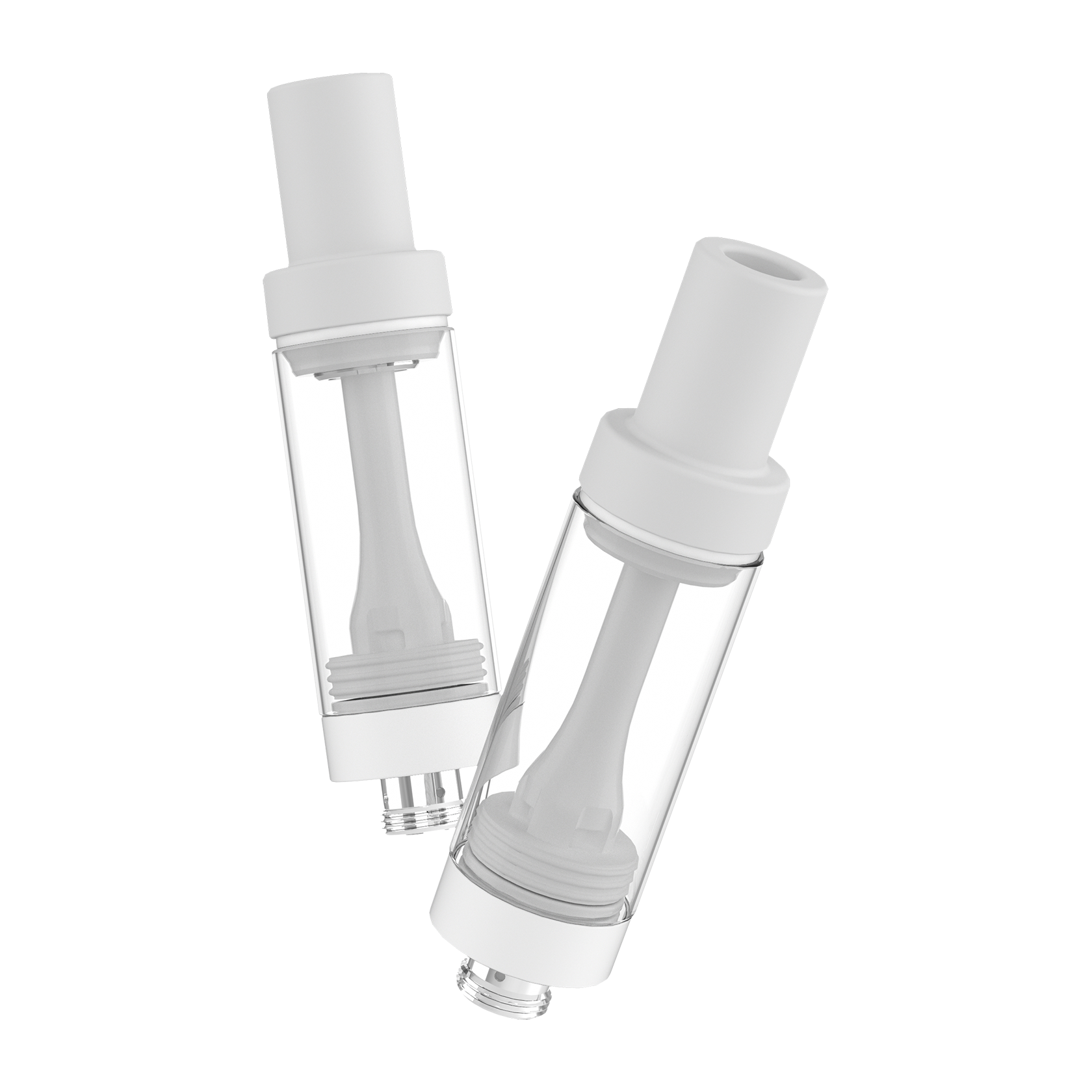
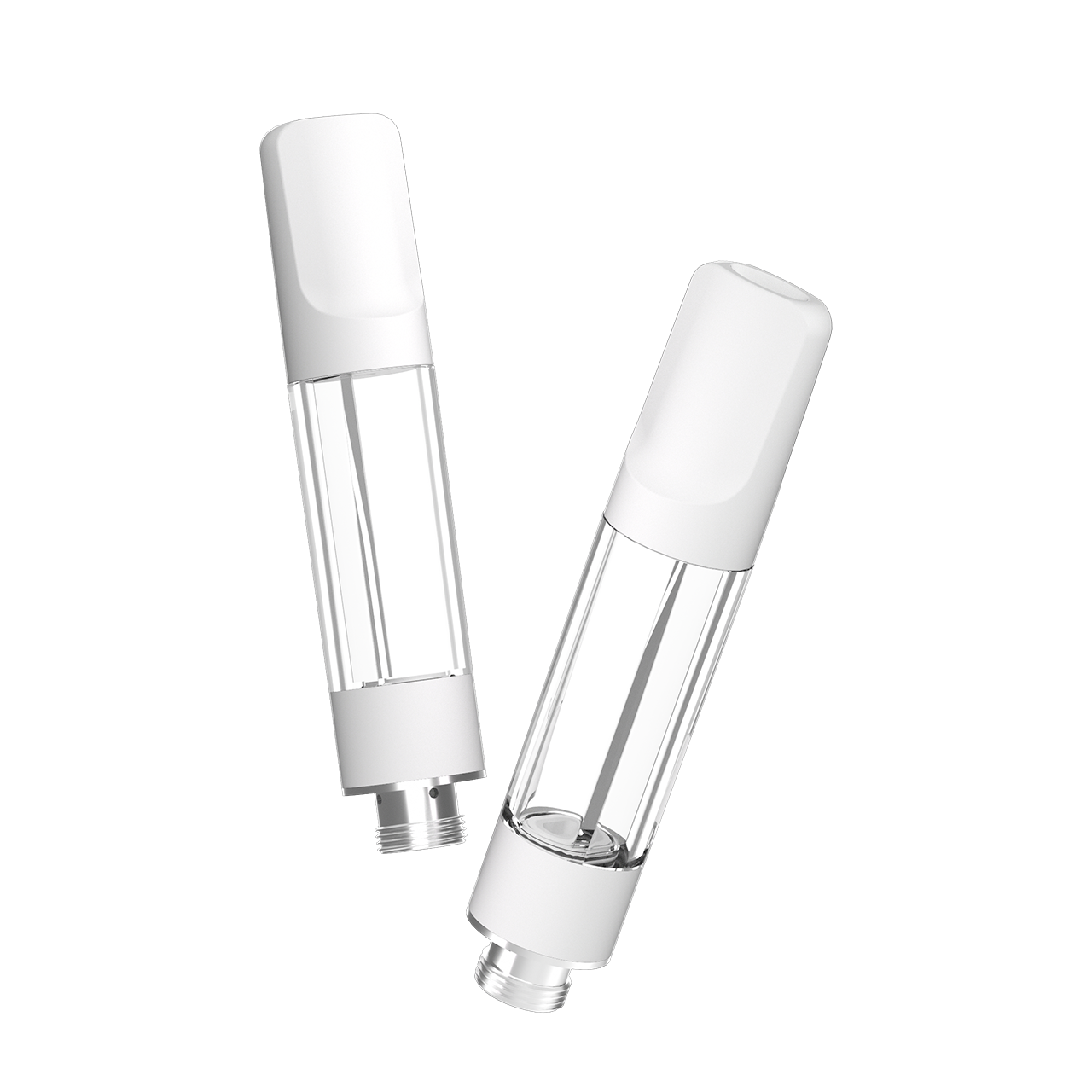
When people talk about an “empty vape manufacturer,” they usually mean a company that makes unfilled devices for licensed businesses. And honestly, that distinction really does matter. Even if the hardware is empty, it still needs safe design, accurate specs, responsible packaging, and lawful distribution. A solid vape manufacturer? They should offer samples before you place a big order—and answer technical questions directly, not dance around them. Definitely ask about leakage tests and airflow consistency. And yeah, charging protection too—plus don't forget the failure-rate records.
Look, no ranking stays permanent. A supplier's performance can shift—new factories, updated regulations, subcontracting deals, things like that. And honestly? Some companies look great on the surface but come up short when it comes to documentation. Yeah, that's worth admitting. So our selection approach tries to balance experience, technical proof, how well they communicate, and independent verification. Buyers should see this list as a practical starting point—not some final guarantee. If you ask me, the smartest move is to test some samples, look over the contracts, and double-check compliance—all before you kick off production.

Global Vape Manufacturing: 2024 Market Estimates and Regional Demand
Published 2024 estimates place the global vape market in the tens of billions of dollars, but figures vary by research method. Some reports count hardware only, while others include approved consumables and accessories. That gap matters. Manufacturers serving global buyers should present clear data sources, production records, and regional compliance evidence.
Demand differs sharply across markets. North American buyers often prioritize device consistency, battery documentation, and secure packaging. European importers usually examine product notifications, nicotine rules, labeling, and waste obligations. Asia-Pacific demand is mixed, with strong manufacturing capacity but changing domestic policies. Latin American and African markets may value affordable formats, reliable logistics, and adaptable packaging. Regional demand is not a single trend. It changes with regulation, income, retail structure, and consumer preferences.
Tips: Ask for independent laboratory reports, material specifications, factory audit records, and batch-level traceability. Check whether the supplier can adjust labels and packaging legally for each destination. Sample testing should include leakage, charging stability, and packaging durability. Do not rely on attractive price sheets alone. A weakness remains in many market estimates: informal sales and policy changes can distort the numbers. Buyers should compare at least two recent sources before planning volume.
A credible ranking starts with compliance, not glossy packaging. The WHO 2023 global tobacco report found that 74 countries prohibit the sale of electronic nicotine products, while 88 have no minimum purchase age. Therefore, manufacturers must provide market-specific legal files, ingredient disclosures, warning labels, and sales restrictions. One certificate is not enough. Buyers should verify the issuing body, factory address, expiry date, and certification scope. ISO 9001 supports quality management, while IEC 62133-2 testing can strengthen rechargeable battery safety evidence.
Capacity also needs practical proof. Request monthly output, equipment lists, lead-time records, and batch-traceability samples. A large factory can still deliver inconsistent products. Review independent laboratory results for nicotine accuracy, contaminants, emissions, leakage, and battery performance. The 2024 Global E-cigarette and Vape Market analysis by Grand View Research reports continued market expansion, but growth does not prove manufacturing quality. Compliance remains uneven across regions.
Look for controlled change management and documented recall procedures. Ask whether each batch carries a readable code. It should. Third-party audits add credibility, especially when records match physical production. However, audit reports may reflect only one visit. I would rank transparent factories higher than those making broad safety claims. The criteria need regular review because regulations, testing methods, and import rules keep changing. That part is easy to underestimate.
10 Best Vape Manufacturers for Global Buyers?
Comparing ten leading manufacturers requires more than counting production lines. Factory scale shows capacity, but export reach reveals operational maturity. A serious facility should provide batch records, component traceability, and documented quality checks. Walk through the details.
Large plants may operate multiple assembly floors, automated filling equipment, and climate-controlled storage. These features support consistent output during seasonal demand. However, scale alone does not prove reliability. A smaller factory with strong process control may deliver fewer defects and faster communication.
Export reach is equally important. Review customs experience, destination-market compliance, shipping records, and after-sales support. Ask whether the manufacturer can handle multilingual packaging and changing documentation requirements. Independent audits and recognized certifications add useful evidence, though certificates should be verified directly. A supplier using recycled materials should also provide measurable sourcing data, not vague claims.
For buyers searching “thc vape manufacturer,” legal review must come before any commercial discussion. Product categories, ingredients, labeling, and shipment routes differ widely by jurisdiction. Manufacturers should refuse unsupported claims and avoid markets where the product is prohibited. That standard matters.
The strongest ten candidates usually combine audited facilities, stable component suppliers, transparent export histories, and realistic lead times. Some rankings may change after a factory visit. That is normal. A polished website can hide weak records, while an ordinary office may support excellent production. Compare evidence, not impressions.
10 Best Vape Manufacturers for Global Buyers?
Regulatory readiness should guide every supplier review. In my experience, a polished catalogue proves very little. Ask for current test reports, batch records, and a traceable quality system. A reliable CBD vape manufacturer should explain ingredient sourcing, laboratory methods, and market restrictions without vague promises. Product claims must remain factual and non-medical.
For European sales, check TPD-related obligations, including notification requirements, packaging rules, nicotine limits, and local language labels. Requirements may differ between member states. For the United States, ask whether the product requires a PMTA and whether the manufacturer has prepared suitable evidence. FDA terminology must be handled carefully. Registration alone does not equal marketing authorization.
ISO 9001 can show documented quality procedures, while ISO 13485 may indicate stronger process control in relevant settings. Neither certificate replaces product-specific compliance. Inspect the certificate scope, issuing body, and expiry date. Request samples with lot numbers, tamper-evident packaging, and readable ingredient panels. Confirm testing for contaminants, metals, solvents, and device consistency.
Small details matter. A missing warning can delay a shipment. An unreadable batch code weakens recall control. I have also learned that certificates can look impressive yet reveal little about daily production. Suppliers should welcome audits, corrective-action records, and independent verification. Some documents may be incomplete at first; that is a warning, not a minor inconvenience.
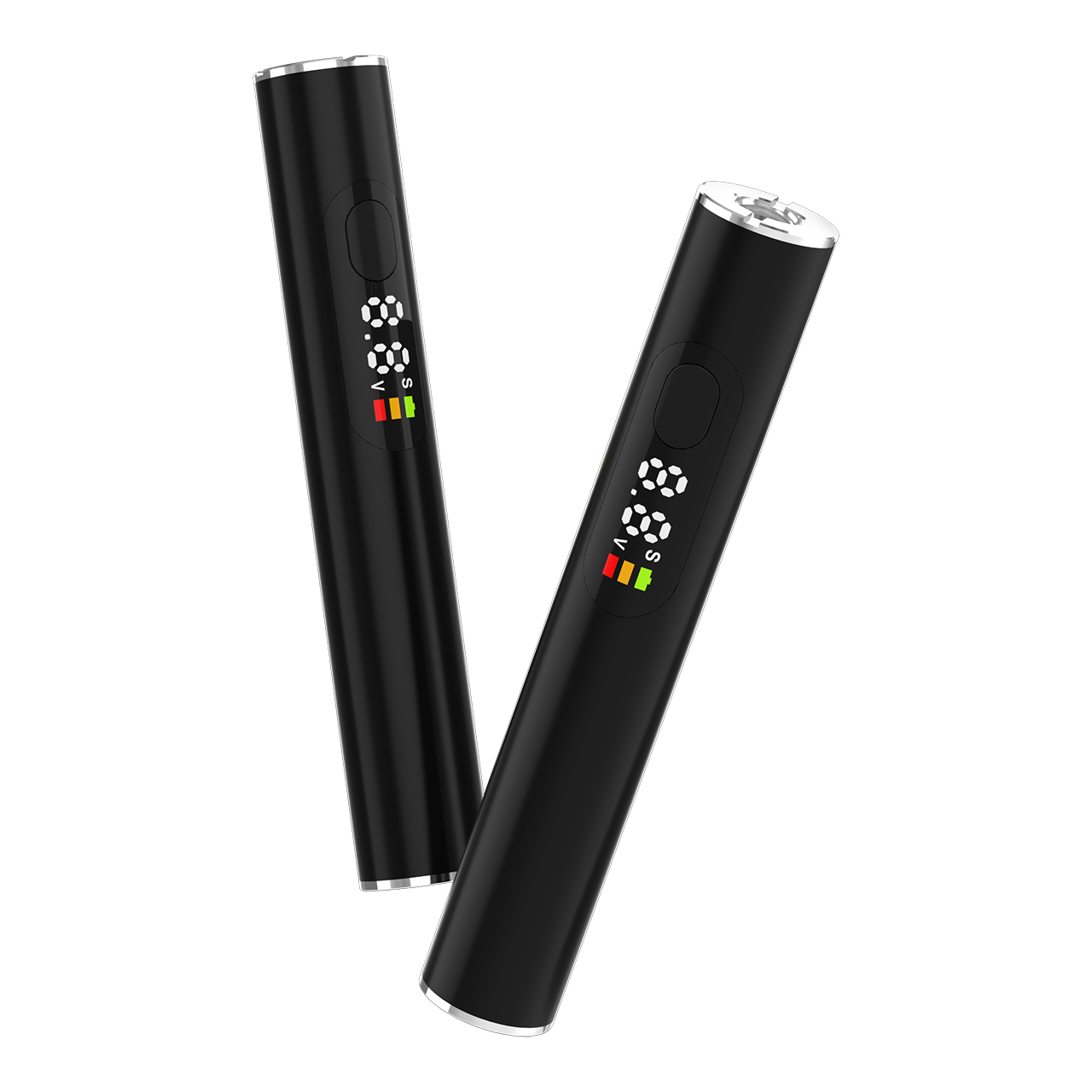
Global buyers comparing a vape manufacturer should inspect product categories before discussing price. A serious supplier separates closed systems, refillable devices, chargers, coils, and accessories. Each category needs different records, packaging, and quality checks. Ask for current specifications, not a polished sales image. Small details matter: connector dimensions, airflow consistency, seal condition, and readable batch codes. Categories reveal production discipline. They also expose gaps.
Battery safety deserves direct evidence. Buyers should request cell specifications, protection-circuit details, charging limits, and abuse-test procedures. Check whether testing covers overcharge, short circuit, overheating, vibration, and drop impact. A device can look solid while its charging behavior remains uncertain. Request reports from competent laboratories, with sample identification and test dates. Do not accept a cropped certificate. Inspect warning labels, charger compatibility, and transport packaging. In practice, incomplete manuals are common, and that should slow approval.
Testing data becomes useful when it connects to traceability. The manufacturer should link raw-material lots, assembly lines, inspection results, and shipment records through a unique batch number. Scan the code on a sample and compare it with the supplied database entry. The result should match. Keep retained samples for independent checks. Review failed-batch procedures too; honest records include problems. I would still recheck random units after delivery, because paperwork can age faster than hardware. Reliability is demonstrated repeatedly, not claimed once.
Product Categories, Battery Safety, Testing Data, and Traceability
How to read this chart: The ranges show common battery-capacity specifications found across global vape product categories; they are market ranges rather than data from any individual company or brand.
For responsible supplier selection, buyers should verify lithium-ion battery compliance with applicable requirements such as UN 38.3 transport testing, IEC 62133-2 or equivalent battery safety testing, and relevant regional requirements such as UL 8139 where applicable. Traceability should normally include a supplier lot number, production date, battery model, test records, and shipment documentation.
Capacity ranges are indicative industry specifications and may vary by device design, cell type, power setting, and regional regulations. Always request current laboratory reports and technical files directly from the supplier.
Choosing among the 10 best vape manufacturers for global buyers requires more than comparing catalog photos. Start with MOQ, because a low minimum order can hide higher unit costs, custom tooling fees, or weak quality control. Ask for a complete quotation covering samples, packaging, payment terms, and replacement parts. A reliable ceramic vape manufacturer should provide batch records, material specifications, and independent test reports for legal markets.
Pricing should be reviewed beside logistics. Confirm Incoterms, production lead time, carton dimensions, battery documentation, and destination duties before placing an order. A cheaper quote may become expensive after air freight, customs delays, or damaged cartons. Request a shipping sample. Small details matter.
Warranty terms need clear numbers, not friendly promises. Check the coverage period, defect definition, claim evidence, and replacement process. Ask who pays return freight and how quickly cases are resolved. After-sales support should include a named contact, troubleshooting files, and spare-part availability. Test their response before signing. Send difficult questions. Weak replies reveal risk.
I would also verify factory audits and applicable product rules in each destination. Certifications can be outdated. That deserves checking. No checklist is perfect, and buyers sometimes overlook communication quality while chasing the lowest price. A supplier that documents limits honestly may prove safer than one offering impressive promises.
Verify legal files, ingredient disclosures, warning labels, and market restrictions. Check the factory address and certificate expiry date. One certificate is not enough.
ISO 9001 can show documented quality management. IEC 62133-2 testing can support rechargeable battery safety evidence. Confirm the certificate’s scope and issuing body.
Request monthly output, equipment lists, lead-time records, and batch-traceability samples. Inspect readable batch codes on products and cartons. Numbers alone can mislead.
Review independent tests for ingredient accuracy, contaminants, emissions, leakage, and battery performance. Match reports with the exact product version. Old reports create uncertainty.
Compare unit prices with samples, packaging, tooling, payment terms, and replacement parts. Add freight, customs duties, and damaged-carton risks. A cheap quote may cost more later.
Confirm Incoterms, production lead time, carton dimensions, and battery documentation. Ask for a shipping sample before placing a large order. Small details matter.
Define the coverage period, defect evidence, replacement process, and return-freight responsibility. Request a named contact and troubleshooting files. Response speed matters.
Send difficult questions before signing. Strong suppliers explain limits, changes, recalls, and delays clearly. No checklist is perfect. I would still recheck regulations regularly.
This guide examines how international buyers can evaluate a reliable vape manufacturer in a rapidly evolving global market. It outlines regional demand trends and compares ten leading production profiles using practical criteria such as factory capacity, export experience, compliance systems, certifications, product consistency, and quality-control procedures. Special attention is given to regulatory readiness, including preparation for TPD, FDA, PMTA, and ISO-related requirements, while recognizing that applicable rules vary by destination.
The article also reviews product categories, battery safety controls, laboratory testing, batch documentation, and supply-chain traceability. For purchasing teams, it provides a checklist covering minimum order quantities, pricing structures, production timelines, shipping arrangements, warranty terms, technical support, and after-sales service. By focusing on transparent documentation, responsible manufacturing, and dependable communication, global buyers can make more informed sourcing decisions and reduce operational, quality, and compliance risks.