Leave Your Message
0%

China continues to be a major hub for producing regulated vaping hardware, but for global buyers, good prices just aren’t enough anymore. In this guide, we’ll take a closer look at the Top 10 Types of Vape Hardware coming out of China, focusing on product design, safety features, and supply chain evidence. When we talk about 'vape hardware China,' we’re talking about a wide range of stuff—pods, refillable devices, box mods, coils, tanks, charging parts, and even connected platforms. Some of these categories overlap, and that’s actually an important point to remember.

According to Grand View Research, the worldwide e-cigarette market hit around USD 26 billion in 2023—and it’s still growing strong through 2030. But keep in mind, these numbers are about market value, not a guarantee that every device type will be in demand. The World Health Organization warns us that many countries have restrictions or outright bans on selling e-cigarettes and nicotine products. So, before you place any orders, it’s crucial to double-check local laws. Compliance isn’t just a marketing detail — it’s a must.

Battery safety is a big deal here, too. International standards like IEC 62133-2 are in place to make sure rechargeable lithium batteries are safe. When dealing with suppliers, don’t forget to ask for test reports, shipping documents, specs on protection boards, and info about the actual cells used. Independent labs such as SGS, Intertek, and TÜV Rheinland can help verify these details, but a certificate alone doesn’t tell the whole story — you’ve got to review everything carefully.

When evaluating potential suppliers, it’s smart to look at sample consistency, leakage chances, charging behavior, labels, packaging, and after-sales service records. The 'smart vape from China' scene might include features like sensors, app connectivity, and usage data — but don’t forget to also consider how secure and private the software really is. While factories might show off cool prototypes, keeping production disciplined is a whole other story.

This intro leans on industry reports and basic quality-control principles to lay out the top ten hardware types. At the same time, it’s honest about the uncertainties—regulations, consumer tastes, and component availability can all change pretty quickly. So, if you want to source reliably, you really need solid evidence rather than assumptions or guesswork.
Top 10 Vape Hardware Types in China for Global Buyers

Defining the Chinese Vape Hardware Market for International Buyers

China’s vape hardware market is best defined by manufacturing depth, not product hype. A typical vape factory China can source batteries, heating cores, shells, charging boards, and packaging within one regional supply network. The main hardware types include closed pods, refillable devices, disposable-style units, box devices, tanks, coils, batteries, chargers, airflow components, and replacement shells. These categories often overlap. That makes supplier comparisons less simple than a top-ten list suggests.

Grand View Research estimated the global e-cigarette market at about USD 18.1 billion in 2023. Its report also projects continued growth through 2030. China remains a major production base, but international buyers should assess capability, not location alone. During factory audits, I would inspect coil consistency, battery traceability, leak testing, and batch records. A polished showroom proves little. Request samples from three production batches. Then compare resistance, airflow, charging temperature, and packaging accuracy. Compliance evidence should match the destination market, including relevant battery, chemical, electrical, and transport requirements.

Tips: Ask for independent test reports, not screenshots. Check whether the legal manufacturer matches the exporter. Confirm minimum order quantities before negotiating price. Buyers should also review the World Health Organization’s tobacco product guidance and each destination’s current rules. One weakness in this market is fragmented data. Reported sales, exports, and factory output may describe different realities. That uncertainty deserves careful questions, not confident assumptions.

Classifying the Top 10 Vape Hardware Types by Design and Function

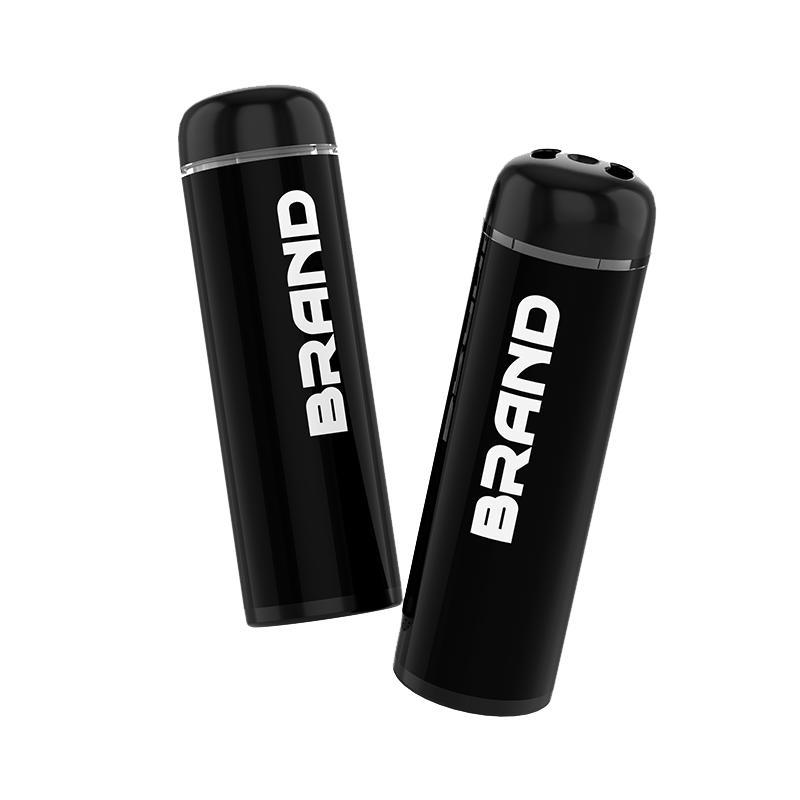
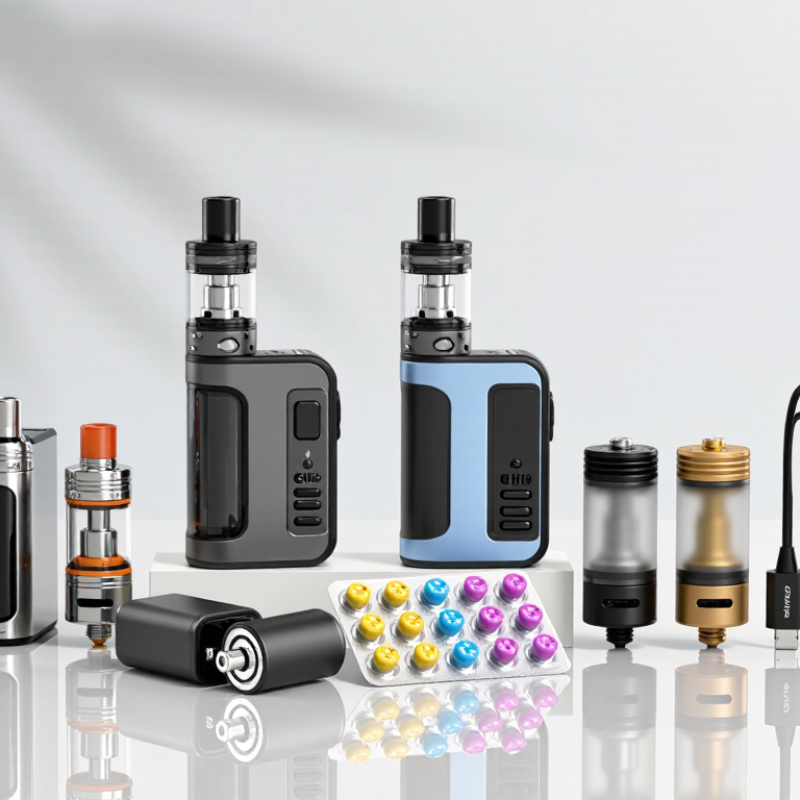
Classifying vape hardware by design and function helps global buyers compare factories, testing needs, and user experience. The ten main types are disposable devices, rechargeable disposables, closed pod systems, open pod systems, pod mods, vape pens, regulated box mods, regulated tube devices, rebuildable tank atomizers, and rebuildable dripping atomizers. The boundary is not perfectly clean.

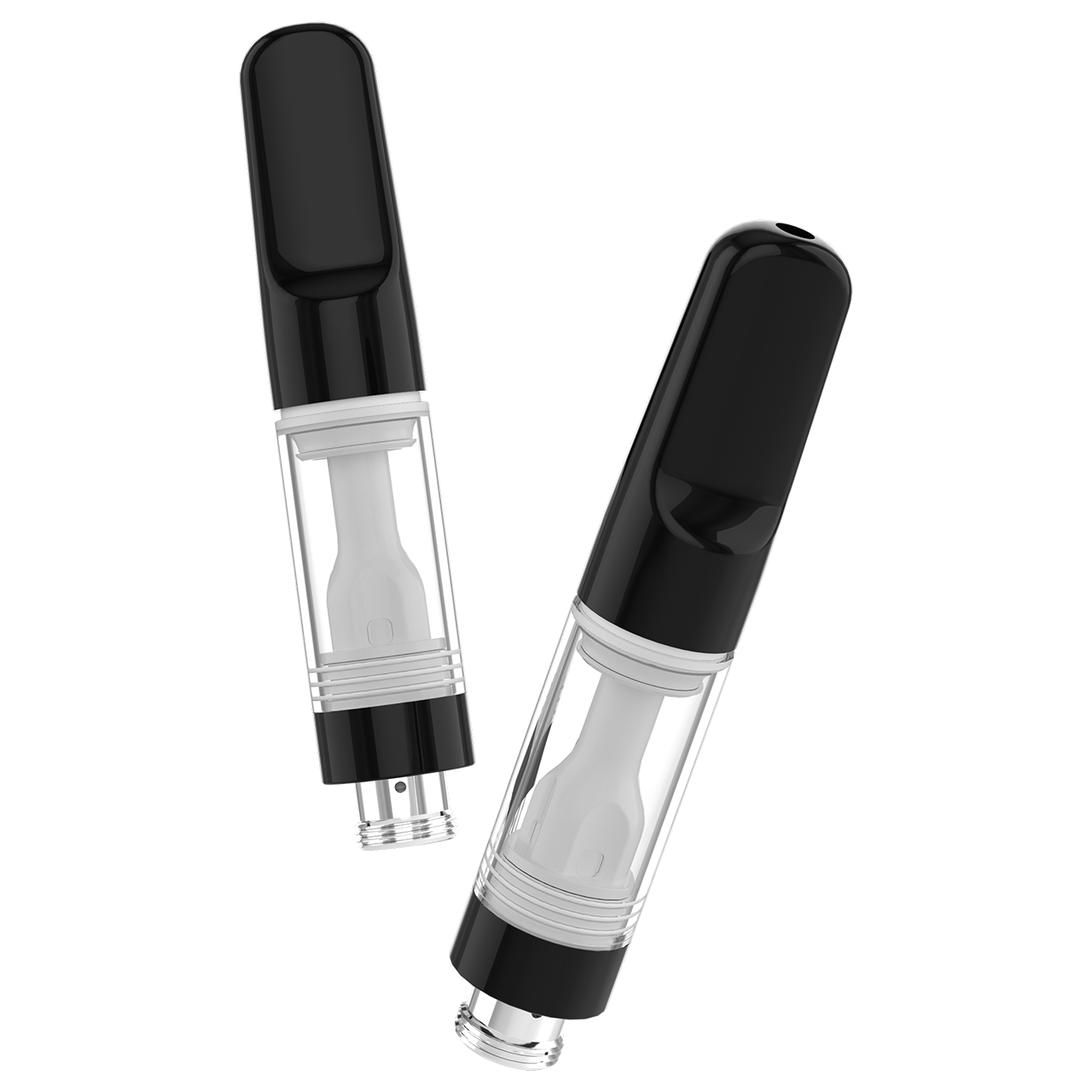
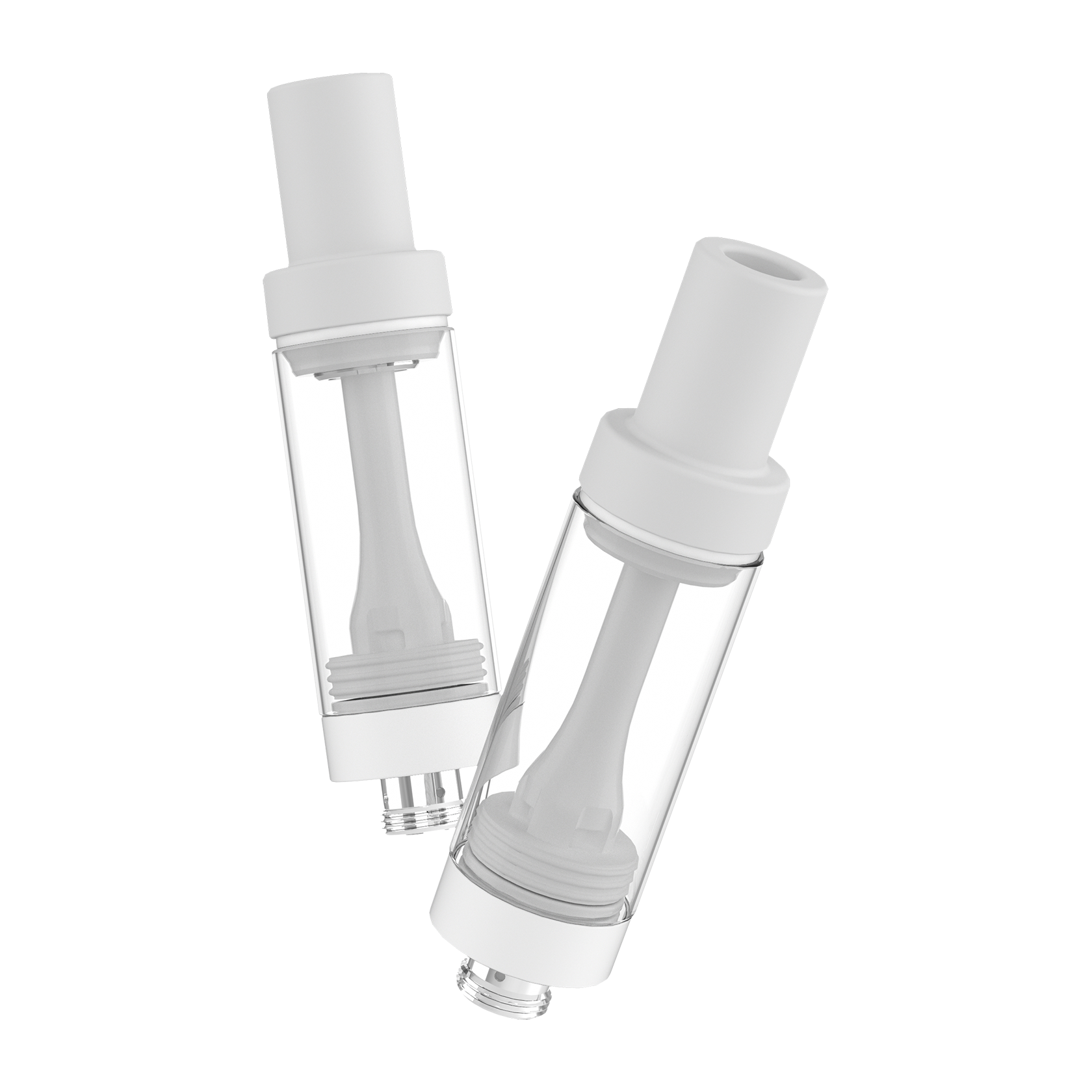
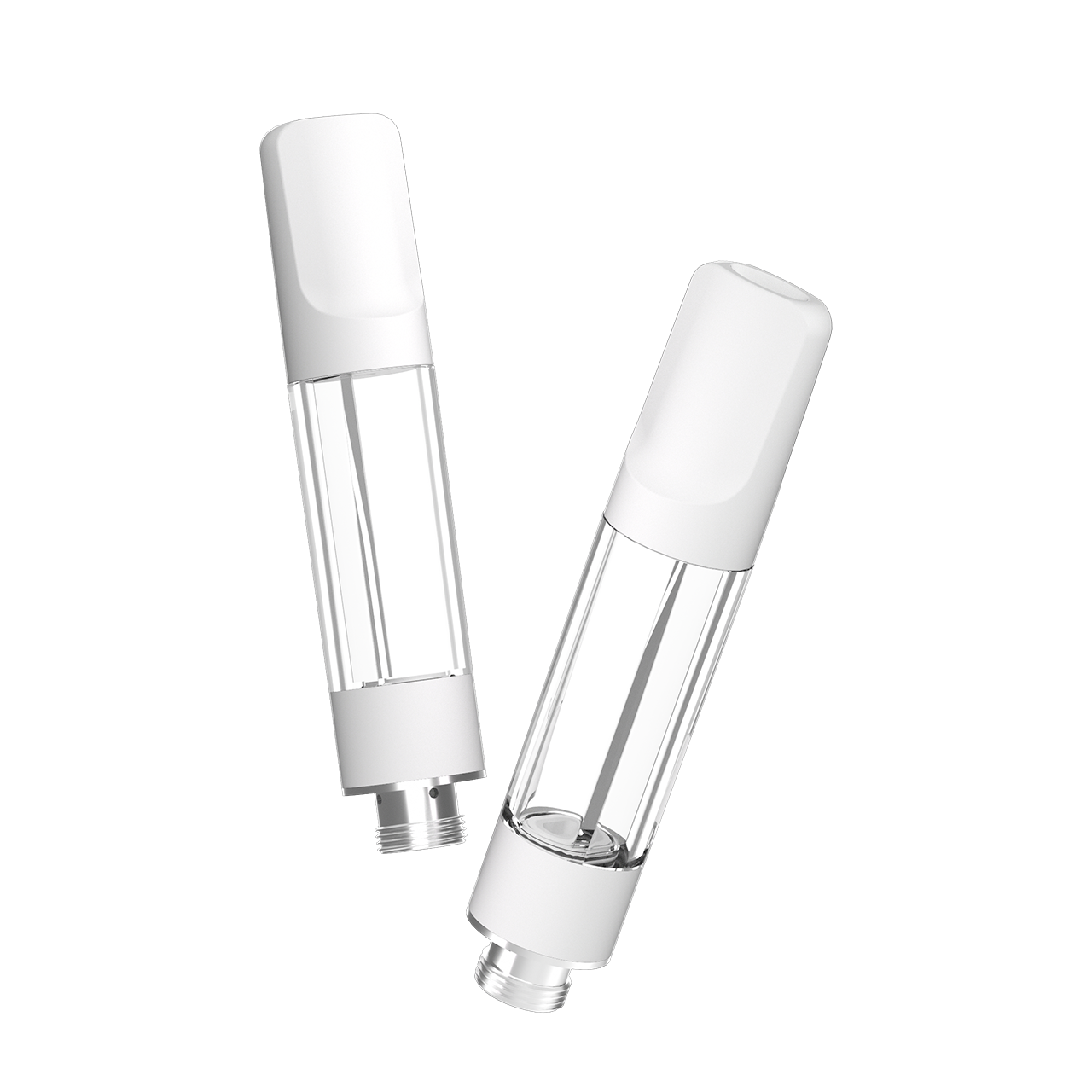
Disposable and closed pod devices prioritize simplicity, compact size, and controlled filling. Open pods and pod mods add refillable tanks, adjustable airflow, and replaceable coils. Vape pens usually use slim cylindrical bodies. Box and tube devices focus on battery capacity, output control, and durable construction. Rebuildable tanks and dripping atomizers serve experienced users who require precise coil and airflow adjustments. These products need stronger quality controls.

Grand View Research valued the global e-cigarette and vape market at approximately US$28.17 billion in 2023. Its report also projects strong growth through 2030. That figure does not guarantee demand for every design. Local rules, battery certification, packaging, and recycling requirements can change purchasing decisions. For vape china sourcing, buyers should inspect cell protection, leakage resistance, charging performance, and batch traceability. A practical factory review includes a filled-device drop test and a cold-start charging test. Small failures matter. Yet, classification alone can mislead; two pod systems may look identical while using different airflow paths, coil materials, and firmware controls.

Top 10 Vape Hardware Types in China for Global Buyers - Classifying the Top 10 Vape Hardware Types by Design and Function

No. Hardware Type Core Design Typical Power Range Tank or Pod System Coil Configuration Battery Format Refillability Airflow and Inhalation Primary Function Key Buyer Consideration
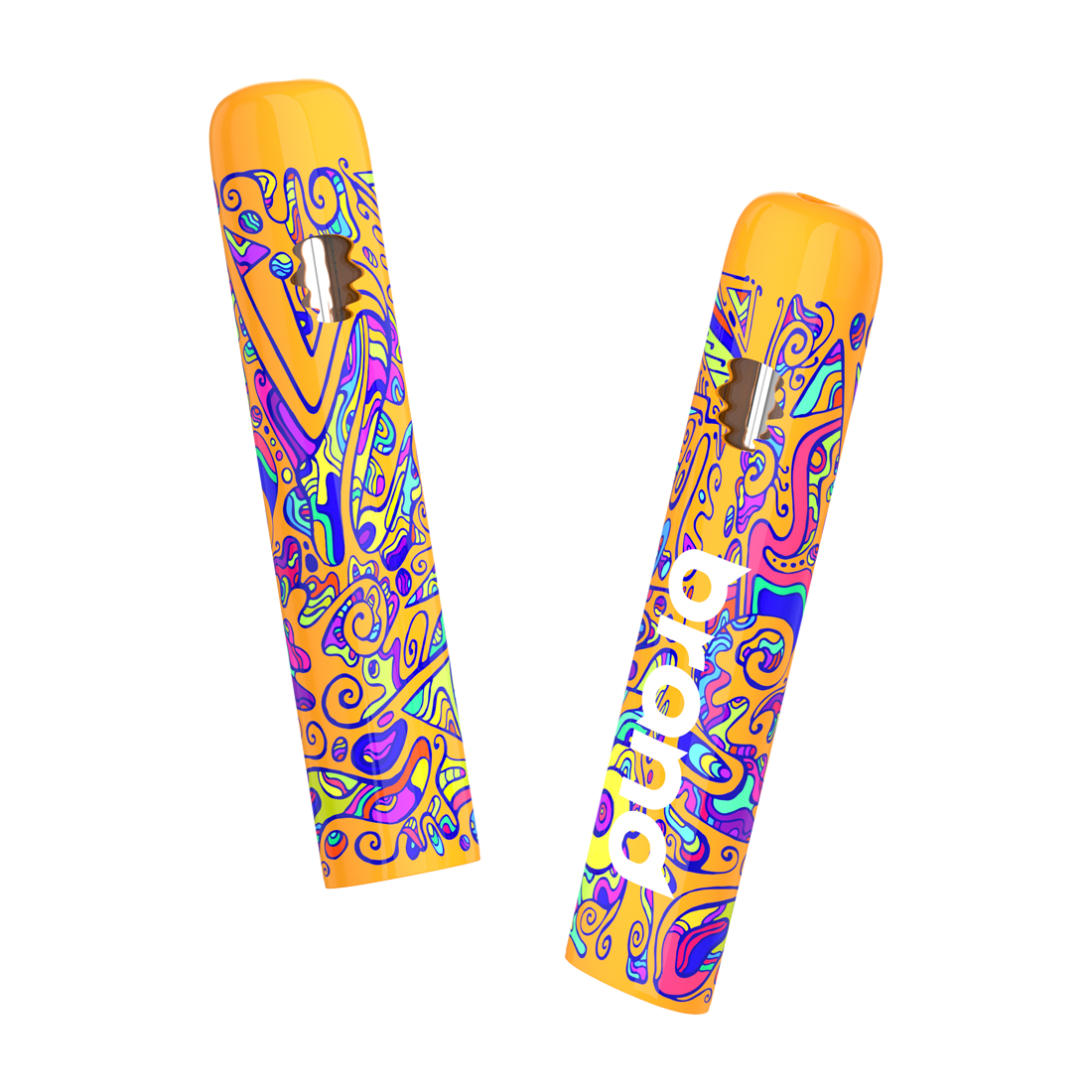
1 Disposable Vape Compact, factory-sealed body with an integrated battery, e-liquid reservoir and coil. Usually below 20 W Pre-filled internal reservoir Integrated non-replaceable coil Built-in rechargeable or non-rechargeable battery, depending on model Normally non-refillable Draw-activated; generally tight to restricted direct-lung airflow Ready-to-use convenience and simplified operation Import rules, battery transport, waste handling and local restrictions should be checked before purchasing.
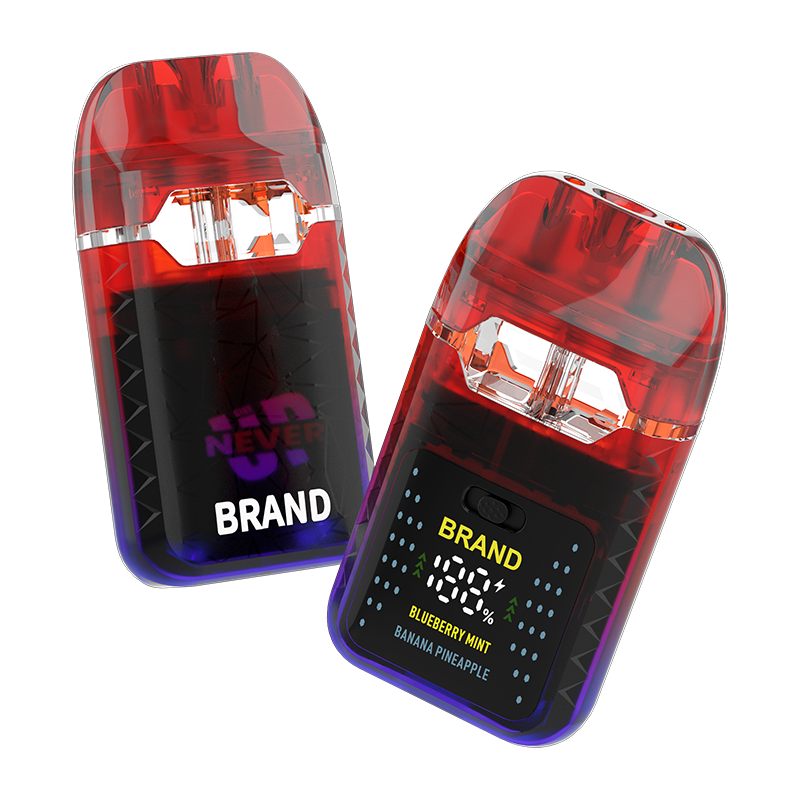
2 Closed-System Pod Small pod battery designed for pre-filled, proprietary or format-specific cartridges. Usually below 20 W Replaceable pre-filled pod Integrated coil inside the pod Built-in rechargeable battery Pod replacement Draw-activated or button-activated; usually MTL or restricted MTL Low-maintenance, portable vaping with controlled liquid delivery Pod availability, cartridge compatibility and recurring operating cost are important.
3 Open-System Pod Compact pod device using a refillable cartridge and an integrated battery. Typically 8–25 W Refillable pod Integrated or replaceable coil, depending on design Built-in rechargeable battery Refillable Adjustable or fixed airflow; MTL to restricted direct-lung Portable and economical use with flexible e-liquid selection Leak resistance, pod material, coil availability and charging interface affect product value.
4 Pod Mod Larger pod platform with higher output, adjustable controls and more advanced electronics. Typically 20–80 W Refillable pod or pod-tank Replaceable mesh or conventional coil Built-in or single removable battery Refillable Adjustable airflow; MTL, restricted direct-lung or direct-lung Balances portability, power control and vapor production Check wattage stability, pod seating, protection features and replacement-pod supply.
5 All-in-One (AIO) Device Integrated battery and tank or pod chamber contained in one compact body. Typically 10–40 W Internal tank or refillable pod Replaceable or integrated coil Usually built-in rechargeable battery Refillable Fixed or adjustable airflow; MTL to restricted direct-lung Simple, self-contained hardware for everyday use Serviceability, seal quality, coil replacement method and charging safety are key factors.
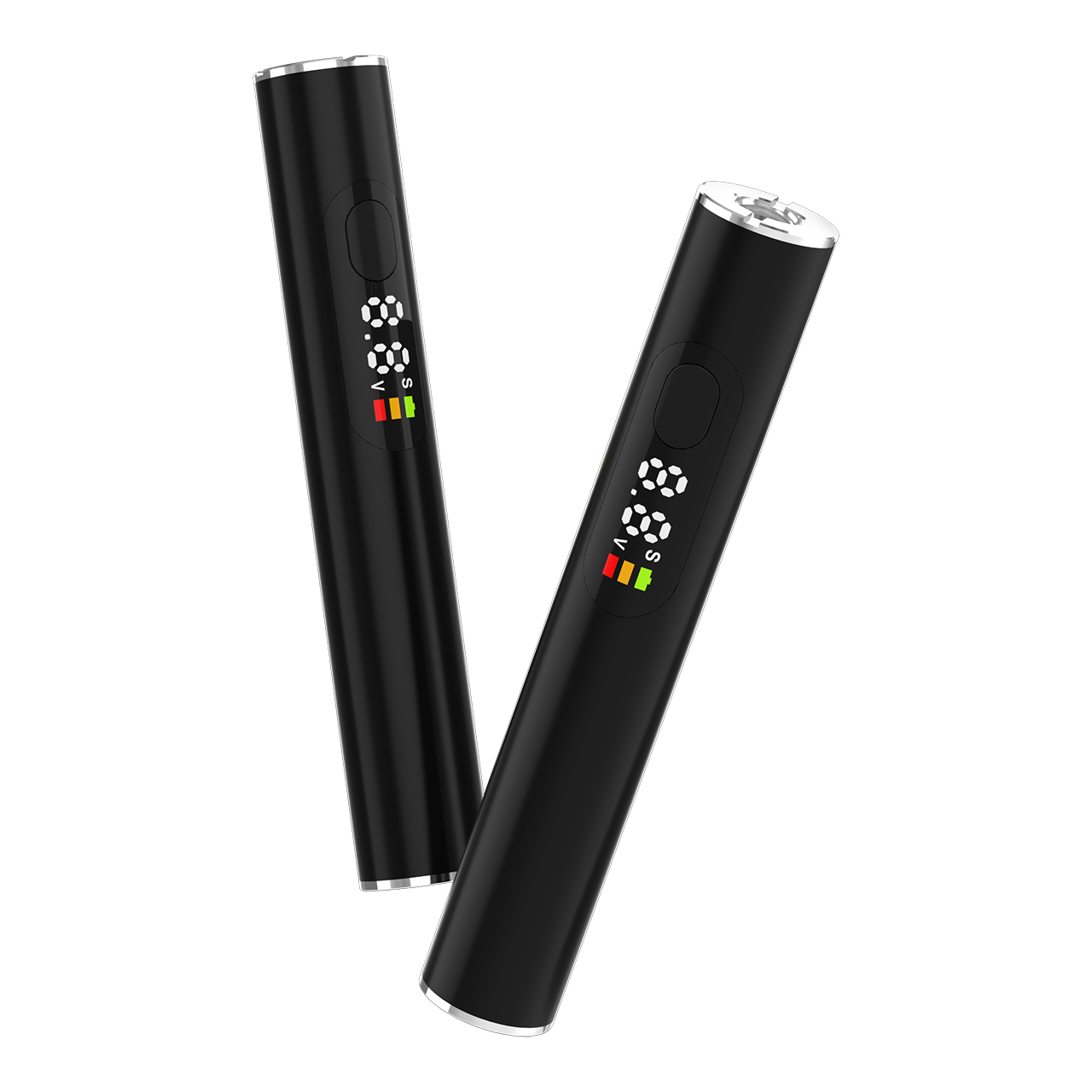
6 Vape Pen Slender cylindrical or tube-shaped battery paired with a small tank or cartridge. Typically 10–30 W Small refillable tank or cartridge Replaceable or integrated coil Built-in rechargeable battery Usually refillable Often draw-activated or single-button; commonly MTL Discreet portability and straightforward operation Thread compatibility, tank capacity, button durability and battery protection should be verified.
7 Box Mod with Sub-Ohm Tank Rectangular regulated mod paired with a larger tank for higher-power operation. Typically 40–200 W Refillable tank, commonly top-fill or slide-fill Replaceable sub-ohm mesh or wire coil Built-in or one to two removable high-drain batteries Refillable Wide adjustable airflow; direct-lung focused Higher vapor output, temperature control and adjustable performance Battery configuration, power regulation, tank capacity and safety protections require careful evaluation.
8 Rebuildable Tank Atomizer (RTA) Reusable tank with a build deck that allows the user to install wire and wicking material. Commonly 15–100 W Refillable tank User-built coil or compatible pre-built coil Requires a separate regulated or mechanical mod Refillable and rebuildable Adjustable airflow; MTL, restricted direct-lung or direct-lung Customizable flavor, vapor and resistance characteristics Build-deck design, machining accuracy, spare parts and user knowledge are essential.
9 Rebuildable Dripping Atomizer (RDA) Open atomizer with a build deck and a shallow juice well instead of a permanent tank. Commonly 20–150 W No conventional tank; liquid is dripped onto the wick User-built coil or compatible pre-built coil Requires a separate regulated or mechanical mod Refillable by dripping Adjustable airflow; restricted direct-lung or direct-lung Direct flavor testing, coil experimentation and high vapor production Leak control, deck accessibility, insulator quality and correct resistance handling are important.
10 Squonk Mod with Bottom-Feed Atomizer Mod contains a flexible e-liquid bottle that feeds liquid through a bottom-feed pin into an atomizer. Typically 30–100 W Integrated squeeze bottle with rebuildable atomizer Usually user-built coil; some compatible replaceable coils may be available Built-in or removable battery, depending on model Refillable Adjustable airflow; commonly restricted direct-lung or direct-lung Combines dripping-style atomization with larger liquid capacity Bottle sealing, feed-pin compatibility, electronic protections and cleaning requirements should be assessed.

Comparing Performance, Materials, and Compatibility Across Device Types

Top 10 Vape Hardware Types in China for Global Buyers

China’s vape hardware market covers closed pod systems, open pod devices, vape pens, box-shaped devices, and compact all-in-one units. Each type serves a different balance of performance, materials, and compatibility.

Closed pods usually offer simple operation and consistent output. Their sealed cartridges reduce handling, but buyers must confirm connector design, coil resistance, and regional availability.

Open pod systems provide more flexibility. They commonly use plastic or aluminum bodies, replaceable coils, and USB-C charging. Performance depends on airflow control, battery capacity, and heating stability.

Small vape pens are portable and easy to test. However, their limited batteries may reduce operating time.

Box-shaped devices often deliver stronger output and better adjustment, yet they require stricter quality checks. Stainless steel improves durability, while food-contact-grade plastics can reduce weight. Ceramic heating elements may support cleaner flavor, but production consistency needs verification.

Fit is not universal. Compatibility includes pod dimensions, charging protocols, coil specifications, and firmware behavior. Buyers should request samples, material reports, electrical safety tests, and cycle-testing data before placing large orders. Independent inspection remains valuable, even when factory documents appear complete. Some suppliers optimize appearance before long-term reliability. That is a real concern.

For global distribution, confirm labeling, recycling duties, battery transport rules, and market-specific requirements.

Performance claims should come from measured tests, not advertising language.

A practical comparison should record charging time, leakage rate, temperature stability, and pod lifespan under identical conditions. Small details matter.

Assessing Chinese Manufacturing Standards, Customization, and Quality Control

Top 10 Vape Hardware Types in China for Global Buyers

Chinese vape hardware manufacturing covers disposable devices, refillable pods, box systems, cartridges, coils, batteries, chargers, mouthpieces, tanks, and control modules. For global buyers, the key question is not variety alone. It is consistency.

Experienced sourcing teams usually inspect suppliers before discussing customization. They review material certificates, factory records, calibration logs, and production capacity. For Cbd Vape Hardware, buyers should confirm that every component supports lawful, regulated applications in the destination market.

A clear specification should include dimensions, resistance range, airflow, battery protection, and surface finish. Small details matter.

A loose connector can cause leakage. An uneven seal can damage packaging during shipping.

Quality control should operate at several stages.

Incoming inspections check metal parts, plastics, batteries, and silicone seals. During assembly, workers test fit, electrical performance, charging protection, and airflow. Finished units may receive leak tests, drop tests, aging checks, and visual inspections under fixed lighting.

Serial numbers and batch records improve traceability. Custom molds can support unique shapes, but they also increase tooling risk and approval time. Samples may pass while mass production drifts. That weakness deserves attention. Independent testing can expose it.

Chinese factories often offer strong engineering support and flexible minimum quantities. However, low quotations can hide thinner materials, rushed inspections, or unclear warranty terms.

Buyers should request control plans, inspection photos, test reports, and corrective-action records. Keep communication written. Visit the line when possible. A polished sample is useful, but repeatable production is the real measure.

Reviewing Compliance, Safety, Packaging, and Export Documentation

For global buyers, the top ten vape hardware types include closed pods, refillable pods, tanks, batteries, chargers, coils, airflow units, mouthpieces, child-resistant parts, and packaging-ready kits. Each type needs traceable specifications.

The WHO Global Report on Tobacco Use 2023 estimates 1.25 billion adult tobacco users worldwide, showing why regulatory screening matters. However, market size does not replace compliance.

For Cbd Vape Hardware B2b sourcing, verify the destination country first. CBD rules differ sharply, and some markets restrict inhalation products entirely.

Request material declarations, battery test reports, UN 38.3 transport evidence, and electrical safety records. EU-bound products may require notification under Directive 2014/40/EU, where applicable.

Packaging should show batch codes, warnings, ingredients, capacity, and importer details. The European Chemicals Agency stresses accurate hazard communication under CLP rules. Missing translations can delay customs clearance. This still happens.

Tips:

Build one document folder per SKU. Match the carton label with the invoice and packing list. Check that certificates identify the exact model, not merely a similar series. Use child-resistant packaging where required. Photograph seals before shipment.

A professional inspection can catch loose ports, leaking tanks, and damaged lithium cells, but it cannot fix weak documentation. Review the latest destination-country rules before every order.

Evaluating Suppliers, Pricing Models, Minimum Orders, and Sourcing Risks

Top 10 Vape Hardware Types in China for Global Buyers

China’s factories commonly supply ten hardware categories: open pods, closed pods, disposable units, refillable pens, box devices, compact pod mods, rebuildable atomizers, replacement coils, batteries, and charging accessories. Grand View Research estimated the global e-cigarette market at about USD 26 billion in 2023. This scale attracts capable suppliers, but quality varies sharply. Open pods usually offer flexible customization, while closed systems can simplify filling and quality control. Pricing often follows three models: ex-factory unit prices, tiered volume pricing, and tooling charges for custom molds. MOQ may start near 500 units for standard parts, but custom colors or packaging can require 3,000 units or more.

Tips: Request samples from at least three factories. Compare the same specification, not only the quoted price. Ask for battery test records, material declarations, leak testing, and batch traceability. A supplier’s audit report is useful, but it is not proof of every shipment.

The 2024 Global E-Cigarette Market report by Mordor Intelligence highlights strong regional differences, making local compliance checks essential. Buyers should verify age restrictions, labeling rules, electrical safety requirements, recycling duties, and import documentation before payment.

Sourcing risks include copied designs, unstable battery cells, hidden mold fees, and inconsistent airflow. Payment terms also matter. A low deposit may hide a higher final balance. Personally, I would treat unusually cheap quotes as a warning, not a saving. Factory photos can mislead. An independent pre-shipment inspection remains worthwhile. Mistakes still happen, especially when specifications are translated poorly. Clear drawings and signed approval samples reduce that risk.

FAQS

What defines the Chinese vape hardware market?

Manufacturing depth defines it more than product hype. Regional suppliers can provide batteries, coils, shells, boards, and packaging.

Which hardware categories should international buyers compare?

Compare closed pods, refillable devices, tanks, coils, batteries, chargers, airflow parts, mouthpieces, and replacement shells.

Why is supplier comparison difficult?

Product categories often overlap. A disposable-style unit may share components with refillable or closed systems.Some specifications blur.

How should buyers audit a factory?

Inspect coil consistency, battery traceability, leak testing, charging temperature, airflow, and batch records.A showroom proves little.

How many production samples should buyers request?

Request samples from three production batches. Compare resistance, airflow, charging behavior, seals, and packaging accuracy.One sample is insufficient.

Which documents should buyers request before ordering?

Request independent test reports, material declarations, battery records, electrical safety documents, and transport evidence.Screenshots are not enough.

What should packaging and shipping documents contain?

Packaging should show batch codes, warnings, ingredients, capacity, and importer details when required.Match labels carefully.

How can buyers reduce customs and compliance problems?

Check current destination rules before every order. Create one document folder per SKU and match labels with invoices.Missing translations still cause delays.

What weaknesses should buyers recognize in this market?

Reported sales, exports, and factory output may describe different realities. Ask careful questions instead of trusting confident claims.I could still miss something.

Conclusion

For global buyers, understanding vape hardware china begins with recognizing the market’s broad manufacturing capabilities and diverse device structures. The top ten hardware types can be classified by design and function, including compact pod systems, refillable devices, disposable-style formats, modular kits, battery units, atomizer components, cartridges, charging accessories, control modules, and replacement parts. Comparing these categories requires attention to performance, material durability, power management, airflow design, connector standards, and compatibility between components.

Successful sourcing also depends on evaluating manufacturing standards, customization capacity, inspection procedures, and batch-to-batch quality control. Buyers should review safety testing, labeling, packaging protection, export documentation, and destination-market requirements before placing an order. Supplier selection should consider transparent pricing models, minimum order quantities, production lead times, communication quality, and risks such as inconsistent specifications or delayed shipments. A structured evaluation process helps international purchasers identify suitable hardware, manage costs, and build a more reliable and compliant supply chain.


Sophia

Sophia

Sophia is a dedicated marketing professional at Magix, a pioneering partner specializing in CBD vapor manufacturing and supply-chain integration since 2016. With a deep passion for innovation and a thorough understanding of the industry, she plays a crucial role in guiding brands from conception to......
Previous 10 Best Custom Vape Packaging Suppliers for Global Buyers