
Leave Your Message
0%

Picking a reliable 510 cartridge manufacturer isn't just about comparing prices or browsing sleek websites — there's a lot more to it. You want someone who consistently produces quality stuff, has clear documentation, and follows all the relevant laws for their products. A trustworthy supplier will openly talk about what materials they use, their testing methods, quality checks, and what the cartridges are legally intended for — without overhyping or making wild claims. Little things matter here, like whether the threads match up, if the mouthpiece fits well, airflow feels right, and the resistance stays stable over time.

When you're evaluating suppliers, don’t just take their word for it — ask for current samples and test them out in real-life conditions. Look for loose connections, uneven heating, leaks, cracked glass, or inconsistent airflow resistance. It's also good to ask if they use food-grade or appropriate technical materials, whether they have documented assembly procedures, and if they keep batch-level inspection records. Independent lab testing helps build confidence, but keep in mind, certificates need to match the actual product, the specific model, and the production batch — generic documents don’t cut it. A decent vape cartridge manufacturer should be able to answer your technical questions clearly and provide traceable records.

No supplier is perfect — sometimes, samples work great but later batches might show issues. That’s just part of the game, so it’s important to stay alert. Set up a clear process for approving samples, keep comparison samples on hand, and keep tabs on defect rates after delivery. Ask how they handle complaints and whether they keep records of corrective actions. A reliable 510 cartridge maker won’t dodge tough questions or hide their limitations. Instead, they’ll be honest about lead times, minimum order quantities, storage needs, and quality boundaries. Look for real evidence, not just promises. Building trust comes from consistent results, transparent communication, and working responsibly with qualified buyers and legal markets. Trust me, it’s all about the details and ongoing accountability.
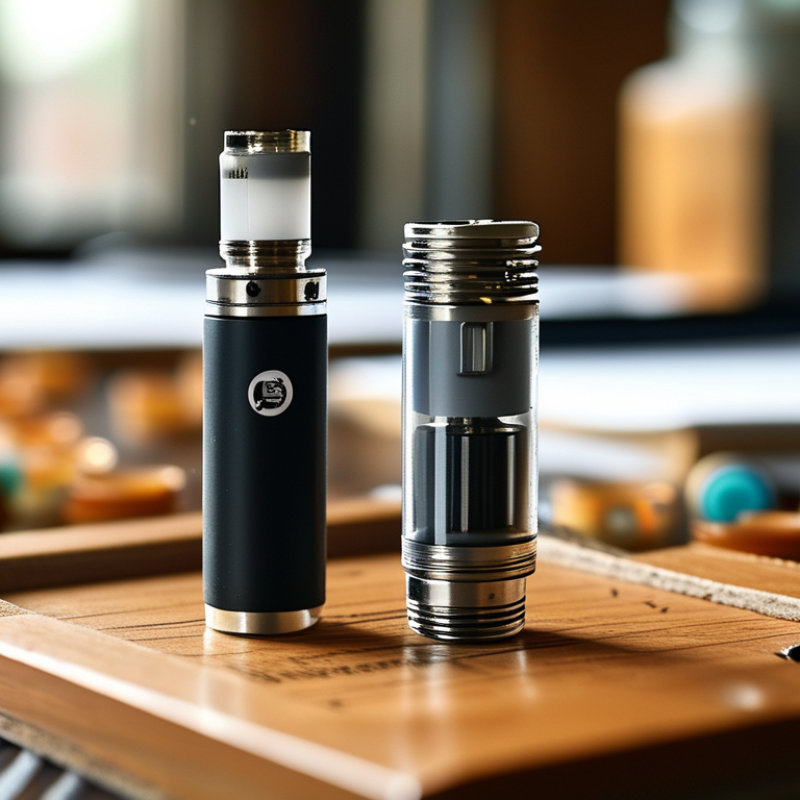
10 Tips for Choosing a Reliable 510 Cartridge Manufacturer

Define Your Product Requirements and Quality Standards

A reliable 510 cartridge manufacturer should not be chosen from a catalog photo. Define product requirements before requesting quotations. Specify thread size, body dimensions, capacity, materials, mouthpiece fit, and intended device compatibility. State whether the cartridge is empty hardware or part of a regulated consumer product. Clarify acceptable color variation, surface finish, and packaging conditions. Small details prevent expensive revisions later. They really do.

Set measurable quality standards. For example, define leakage limits, connection resistance, heating consistency, and cosmetic tolerances. Ask how each value is tested, which equipment is used, and when testing occurs. A professional supplier should provide controlled drawings, inspection records, and batch traceability. Vague promises are not evidence.

Request samples from more than one production batch. Check thread engagement by hand, then repeat it with a torque gauge. Inspect seals under pressure and observe the cartridge after storage and temperature changes. These practical checks often reveal issues that polished samples hide. I once focused too heavily on appearance; the fit looked perfect, but repeated assembly exposed inconsistent threads. That mistake changed my checklist. Review material declarations, test methods, and market-specific compliance documents. Requirements differ across regions, so confirm them with qualified regulatory professionals. Do not accept copied certificates or undated reports. A manufacturer who welcomes independent testing earns more trust.

Verify the Manufacturer’s Industry Experience and Certifications

Industry experience is a practical measure of reliability when choosing a 510 cartridge manufacturer. Review how long the manufacturer has operated and which production processes it manages internally. An experienced empty vape manufacturer should explain its materials, filling tolerances, heating components, and quality checks clearly. Ask for recent audit records, production samples, and traceable batch documentation. Vague answers deserve attention.

Tips: Verify current certifications, not just certificate images. Check the issuing organization, certificate number, scope, and expiration date. Quality management certification can show controlled procedures, but it does not guarantee every shipment is perfect. Request testing for material safety, leakage resistance, airflow consistency, and electrical performance. Small details matter.

Visit the facility when possible. Observe clean work areas, labeled components, calibration records, and trained inspection staff. Ask how defects are recorded and corrected. A reliable manufacturer will discuss failures without making unrealistic promises. I once saw a polished certification folder that lacked matching factory records. That experience changed my review process. Certifications support trust, while consistent evidence builds it. Also confirm whether the manufacturer can maintain the same specifications across repeated orders. A sample may look excellent, yet production variation can reveal weak controls.

Assess Cartridge Materials, Design, and Manufacturing Technology

Choosing a reliable 510 cartridge manufacturer requires more than comparing prices. Start with the cartridge materials. Food-contact glass, corrosion-resistant metal, and stable ceramic components should have documented specifications. Ask for migration testing, seal compatibility data, and certificates for every material.

Design details often reveal manufacturing discipline. Check the mouthpiece fit, oil inlet structure, airflow path, and connection thread. A loose connection can cause uneven heating or leakage. The cartridge should also maintain consistent airflow across multiple samples. Request dimensional inspection reports, not only product photos. Small differences matter.

Manufacturing technology deserves close attention. Look for automated assembly, controlled heating processes, clean production areas, and traceable batch records. A dependable facility should explain its testing method for leaks, electrical resistance, thermal cycling, and drop impact. If you search for a “thc vape manufacturer,” confirm that the company operates only within applicable laws and follows documented quality controls. Do not accept vague compliance claims.

Ask to review sample cartridges from different production batches. Compare fill level, airflow, connection stability, and surface finish. Real experience shows that impressive prototypes can hide weak mass production. No checklist is perfect. I would still inspect random samples personally, because one overlooked seal can affect an entire shipment. Suppliers should also explain corrective actions when testing fails. That response often says more than a polished presentation.

10 Tips for Choosing a Reliable 510 Cartridge Manufacturer

Comparative screening scores for key cartridge material, design, and manufacturing factors

Use this checklist to compare suppliers consistently. The 1–5 scores represent practical evaluation priority: higher values indicate factors that generally require stronger verification through specifications, test reports, process controls, and sample validation. Scores are a screening framework rather than laboratory measurements.

Review Testing Procedures, Safety Controls, and Product Consistency

Choosing a reliable 510 cartridge manufacturer starts with evidence, not polished photos. Ask for a written testing plan covering materials, dimensions, leakage, airflow, and electrical performance. A professional cannabis hardware manufacturer should explain which tests occur during production and which happen before shipment. Request recent, traceable reports from qualified laboratories. Vague certificates are warning signs.

Safety controls deserve close attention. Confirm that the manufacturer screens metals, plastics, seals, and heating components for unwanted contamination. Check whether incoming materials receive lot numbers and documented inspections. Ask how rejected parts are isolated. Small details matter. A clean assembly area, controlled storage, and calibrated equipment can prevent avoidable failures. The process should also address overheating, loose connections, and oil-contact material compatibility without making unsupported performance claims.

Product consistency is easier to judge through samples from different production lots. Compare threading, mouthpiece fit, airflow resistance, fill capacity, and visual finish. Record every difference. A dependable supplier should provide specifications with acceptable tolerances, not just one perfect sample. Review complaint records and corrective-action reports when available. No factory is flawless. What matters is whether it notices problems, investigates causes, and documents improvements. I would still test independently before approving a large order; assumptions can survive even a convincing audit.

Compare Customization Options, Minimum Orders, and Pricing

Choosing a reliable 510 cartridge manufacturer requires more than comparing the lowest quotation. Grand View Research reported that the global vaporizer market was valued at over USD 18 billion in 2023. That scale attracts capable factories, but also inconsistent suppliers. Define the cartridge’s lawful application, thread standard, fill volume, mouthpiece, heating element, airflow, materials, packaging, testing, and delivery schedule before requesting prices. Ask for material declarations, dimensional drawings, leak-test results, and batch traceability. A polished sample proves little.

Customization usually raises the minimum order quantity. Confirm whether the supplier supports small pilot runs, custom colors, ceramic or metal components, logo placement, and packaging changes. One practical mistake is accepting a low MOQ without checking tooling fees. The first batch can become expensive when molds, printing plates, and testing charges appear later. Request a written quotation showing unit price, setup costs, sample fees, freight terms, and payment milestones. Keep those figures separate.

Pricing should be compared at equal quality levels. A cheaper seal, thinner shell, or unstable heating component may increase returns. The National Institute of Standards and Technology emphasizes measurement traceability and controlled processes for reliable manufacturing. Ask whether inspection equipment is calibrated and whether production records are retained. ISO 9001 certification can support process discipline, but it is not a substitute for product evidence. I would still order a small pilot batch, test leakage after transport, and review failure data. Imperfect suppliers may pass the first inspection. That is why staged purchasing remains safer.

Evaluate Communication, Lead Times, Warranty, and After-Sales Support

Choosing a reliable CBD vape manufacturer requires evidence, not polished promises. The 2024 MHI Annual Industry Report surveyed more than 2,000 supply-chain professionals. It found that 83% consider digital supply-chain capabilities important. Ask for live inventory updates, production photos, and written escalation contacts. A supplier that answers technical questions clearly usually handles problems better.

Lead times need practical testing. Request a sample schedule, then compare promised dates with actual dispatch records. Confirm production capacity, holiday closures, inspection points, and approved substitutes. Small delays become expensive. Deloitte’s 2024 Global Chief Procurement Officer Survey also identifies resilience and supplier collaboration as key procurement priorities. Those priorities should appear in your contract, not only in a presentation.

Warranty terms deserve close reading. Check coverage periods, defect definitions, replacement timelines, shipping responsibility, and documentation requirements. After-sales support should include a named contact, response-time targets, batch traceability, and a clear complaint process. I once treated a polished customer portal as proof of reliability. It was not. During evaluation, send one difficult but legitimate question and measure the response. A dependable CBD vape manufacturer should provide relevant quality records, transparent communication, and documentation suited to the laws of every intended market. Ask for proof, not reassurance.

10 Tips for Choosing a Reliable 510 Cartridge Manufacturer - Evaluate Communication, Lead Times, Warranty, and After-Sales Support

No. Evaluation Dimension What to Check Practical Benchmark Required Evidence Score
1 Product Compatibility Confirm 510-thread compatibility, cartridge dimensions, oil viscosity requirements, battery voltage range, and filling method. Written specifications should match the intended battery and formulation before sampling. Technical datasheet, drawings, compatibility statement, and sample test results. /10
2 Material and Safety Documentation Review materials that contact the oil, including ceramic, glass, metal, seals, adhesives, and plastic components. Material declarations and applicable test reports should be current, traceable, and specific to the product. Material certificates, compliance declarations, laboratory reports, and batch traceability records. /10
3 Communication Quality Assess how clearly the supplier answers technical, pricing, sampling, packaging, and production questions. Routine inquiries should receive complete, consistent replies within one business day. Written quotations, specification confirmations, meeting records, and a designated contact person. /10
4 Sample and Prototype Process Check whether samples represent production materials, filling conditions, airflow, leakage resistance, and vapor performance. Samples should be accompanied by a defined revision number and agreed acceptance criteria. Sample checklist, approved drawings, test protocol, and documented revision history. /10
5 Lead Times and Capacity Separate sample, tooling, first-order, and repeat-order lead times; confirm capacity during peak periods. The supplier should provide written lead times, production milestones, and an escalation process for delays. Capacity statement, production schedule, milestone plan, and on-time delivery history. /10
6 Quality Control System Review incoming-material checks, in-process inspections, finished-goods testing, sampling plans, and nonconformance handling. Quality criteria should be measurable, documented, and applied consistently to every production batch. Inspection records, control plans, calibration records, corrective-action reports, and batch codes. /10
7 Warranty Terms Clarify coverage period, eligible defects, exclusions, claim deadlines, replacement terms, and responsibility for shipping costs. Terms should be written before purchase and linked to measurable product acceptance criteria. Signed warranty policy, purchase agreement, claim form, and replacement procedure. /10
8 After-Sales Support Evaluate response ownership, troubleshooting capability, replacement speed, root-cause analysis, and communication during complaints. A reliable process includes an assigned case owner, response targets, and written corrective actions. Support workflow, escalation contacts, service-level targets, and anonymized corrective-action examples. /10
9 Packaging and Logistics Confirm packaging protection, labeling, carton quantities, shipping documents, storage conditions, and delivery responsibilities. Packaging should protect components from contamination, impact, moisture, and deformation during transport. Packaging specification, carton test information, packing list, shipping terms, and label proofs. /10
10 Commercial Transparency Compare minimum order quantity, tooling fees, payment terms, price validity, change-control rules, and total landed cost. All recurring and one-time costs should be itemized before approval; changes require written authorization. Detailed quotation, pro forma invoice, payment schedule, change-control clause, and total-cost worksheet. /10
Total Evaluation Score /100
Suggested interpretation: 80–100 = strong candidate; 65–79 = proceed only after closing documentation or process gaps; below 65 = conduct additional due diligence before placing an order.

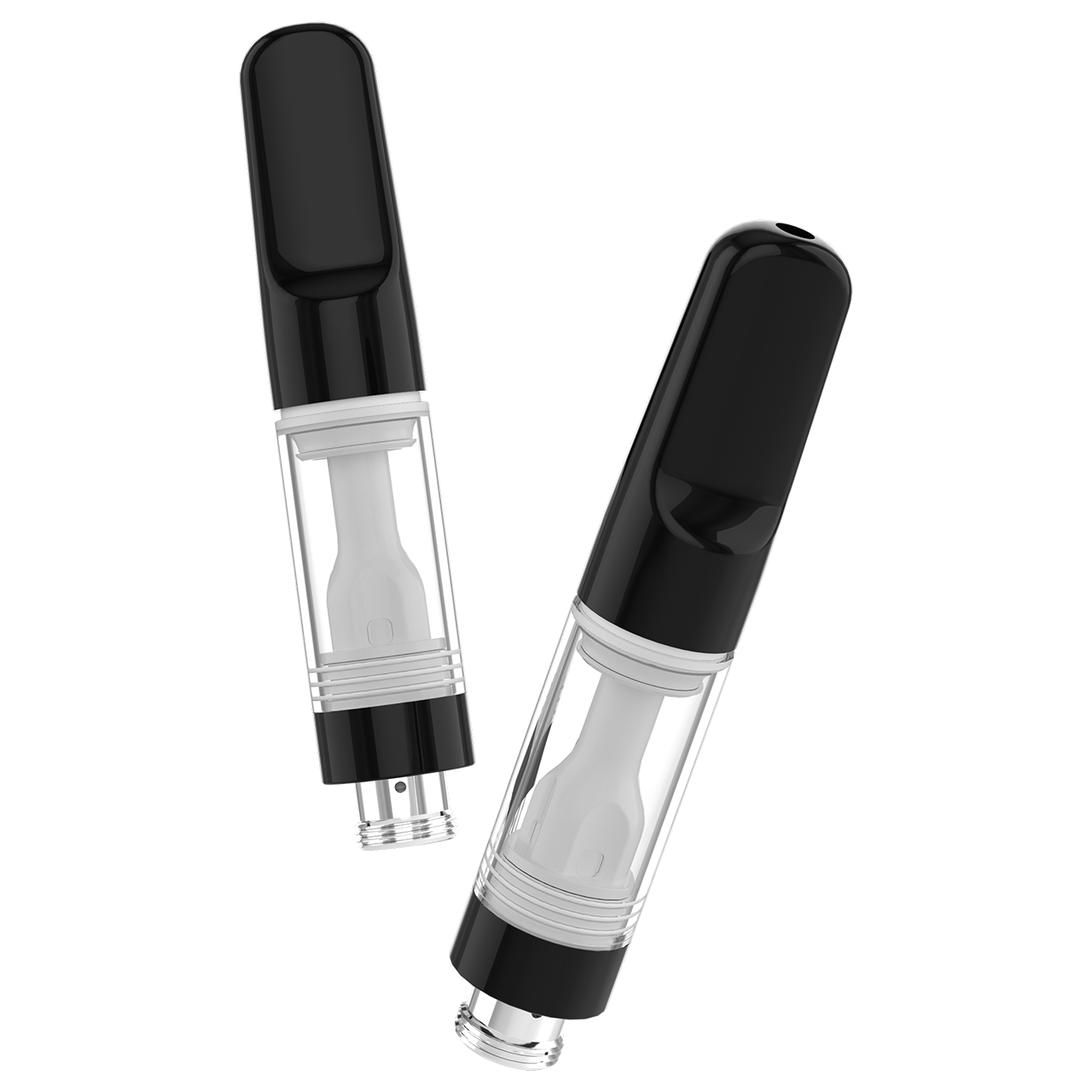
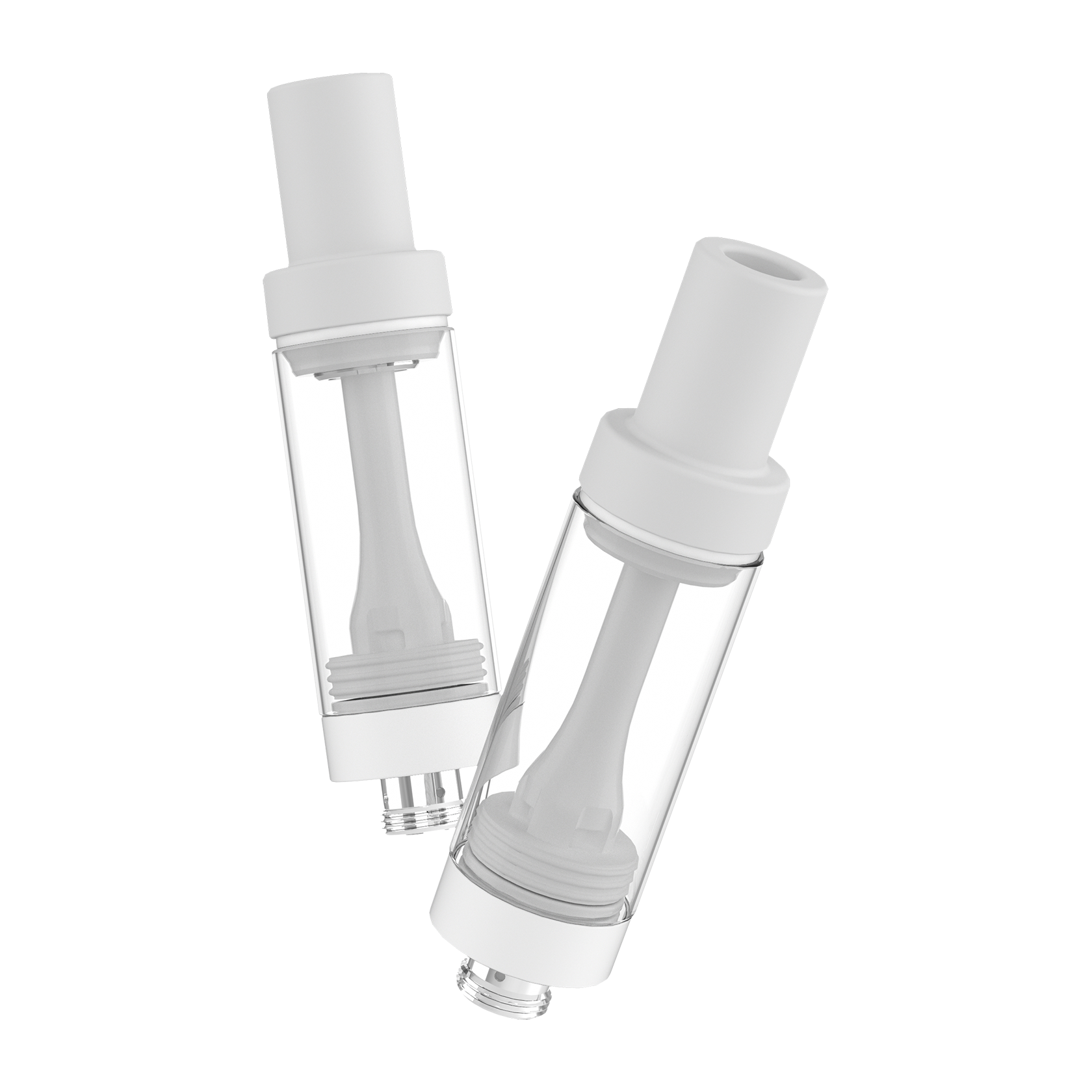
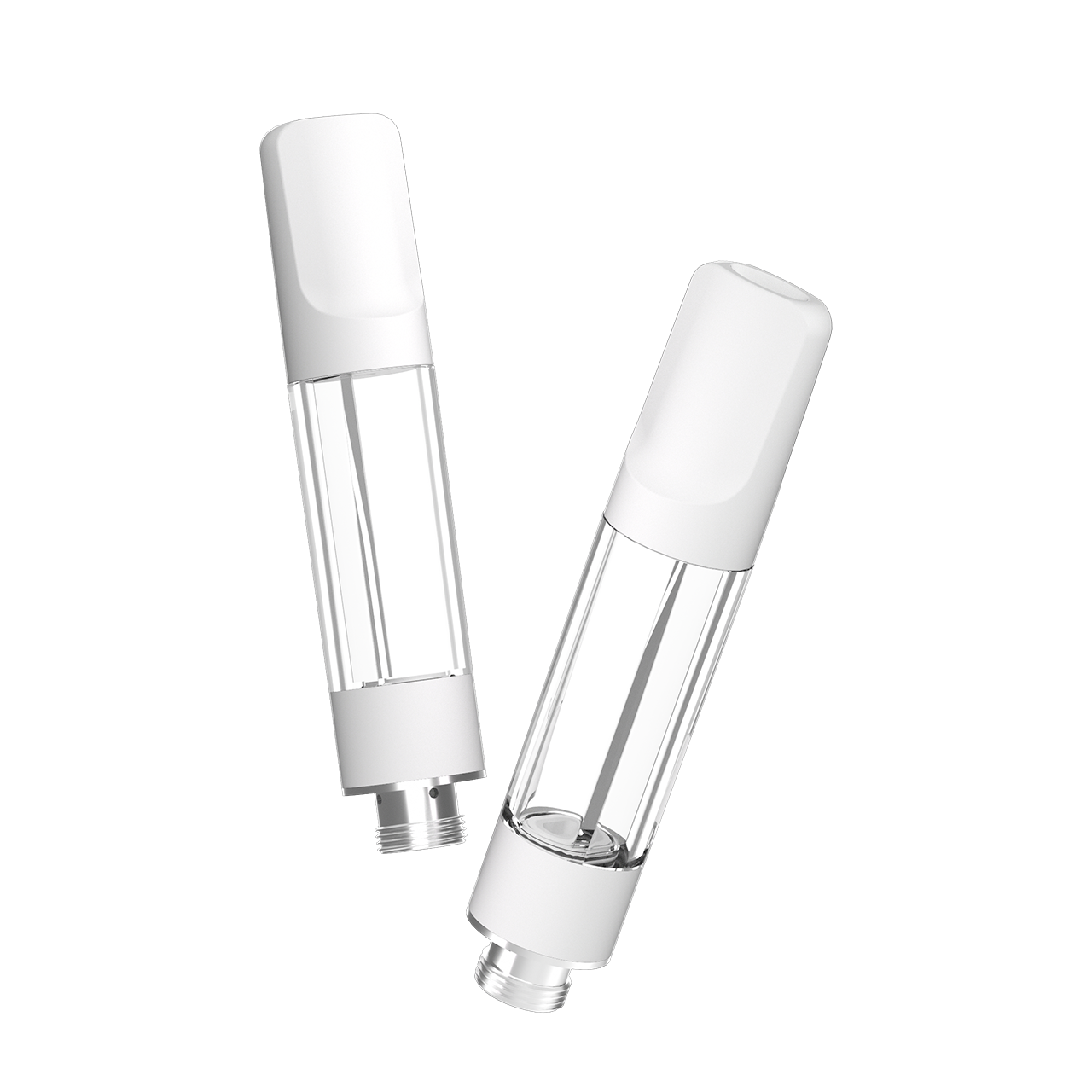
Core S1 Clear Ceramic Cartridge with U-Shape Core: Features, Benefits, and Usage Guide

Core S1 Clear Ceramic Cartridge with U-Shape Core is designed for clean, controlled delivery of legal, solventless, and terpene-rich botanical extracts. Its patented U-shape clear ceramic core creates a streamlined heating path with minimal unnecessary material contact, helping preserve the natural character of the formulation. The thin ceramic profile responds quickly to power input, supporting balanced heat distribution and reducing excessive buildup during regular use.

A postless internal design and compact clear tank contribute to stable vapor performance across a range of extract viscosities. The transparent structure also makes it easier to monitor fill levels and overall appearance during production and handling. With a simple internal construction, Core S1 supports consistent assembly standards while offering a refined look suited to premium product lines.

Available in 0.5 mL and 1.0 mL configurations, the cartridge can accommodate different packaging and usage requirements. Its controlled heating behavior helps promote repeatable draws, while the ceramic core supports accurate activation of delicate aromatic components. For manufacturers seeking a practical balance of flavor preservation, dependable performance, and visual clarity, Core S1 offers a flexible cartridge platform for compliant botanical formulations.

FAQS

: What materials should a reliable 510 cartridge manufacturer provide?

: Look for food-contact glass, corrosion-resistant metal, and stable ceramic parts. Each material should have documented specifications. Ask for migration tests, seal compatibility data, and certificates.

Which design details deserve close inspection?

Check the mouthpiece fit, oil inlet, airflow path, and connection thread. A loose thread may cause leakage or uneven heating. Small differences matter.

How can airflow consistency be verified?

Request dimensional inspection reports and airflow results from multiple samples. Do not rely on product photos alone. Compare several cartridges side by side.

What manufacturing controls should a supplier explain?

Ask about automated assembly, controlled heating, clean production areas, and batch records. The supplier should describe leak, resistance, thermal-cycle, and drop testing. Vague answers are a warning.

How should production samples be evaluated?

Review samples from different production batches. Compare fill level, airflow, thread stability, and surface finish. A polished prototype may hide weak mass production.

What customization costs should be confirmed?

Ask about colors, mouthpieces, heating elements, packaging, and logo placement. Custom features may increase the minimum order quantity. Tooling fees can appear later.

What should a written quotation include?

It should separate unit prices, setup fees, sample charges, freight terms, and payment milestones. Compare quotations at equal quality levels. The cheapest option may create costly returns.

Is a quality certification enough?

No. Certification can support process discipline, but it cannot replace product evidence. Ask about calibrated inspection equipment and retained production records. I would still order a pilot batch and test leakage after transport.

Conclusion

Choosing a reliable 510 cartridge manufacturer requires more than comparing prices. Start by defining your product specifications, performance expectations, and quality standards. Then confirm the manufacturer’s industry experience, certifications, production capabilities, and ability to meet applicable safety requirements. Pay close attention to cartridge materials, structural design, component compatibility, and manufacturing technology, as these factors can affect durability, consistency, and user experience.

A dependable supplier should also provide clear testing procedures, safety controls, quality inspections, and batch-to-batch consistency records. Compare customization options, minimum order quantities, production pricing, and sampling policies before making a commitment. Finally, evaluate communication efficiency, lead times, warranty terms, and after-sales support. A responsive 510 cartridge manufacturer should communicate transparently, deliver according to schedule, address quality concerns responsibly, and offer practical support throughout the cooperation. Taking these steps can help you reduce supply risks and build a stable, long-term manufacturing partnership.

Emma

Emma

Emma is a dedicated marketing professional with a deep expertise in the field of CBD vapor manufacturing. Since joining Magix in 2016, she has played a pivotal role in seamlessly integrating supply chain processes and executing brand strategies that bring innovative products to market. Emma’s keen......
Previous What is OEM Vape and How to Choose the Best Options?