 All in one
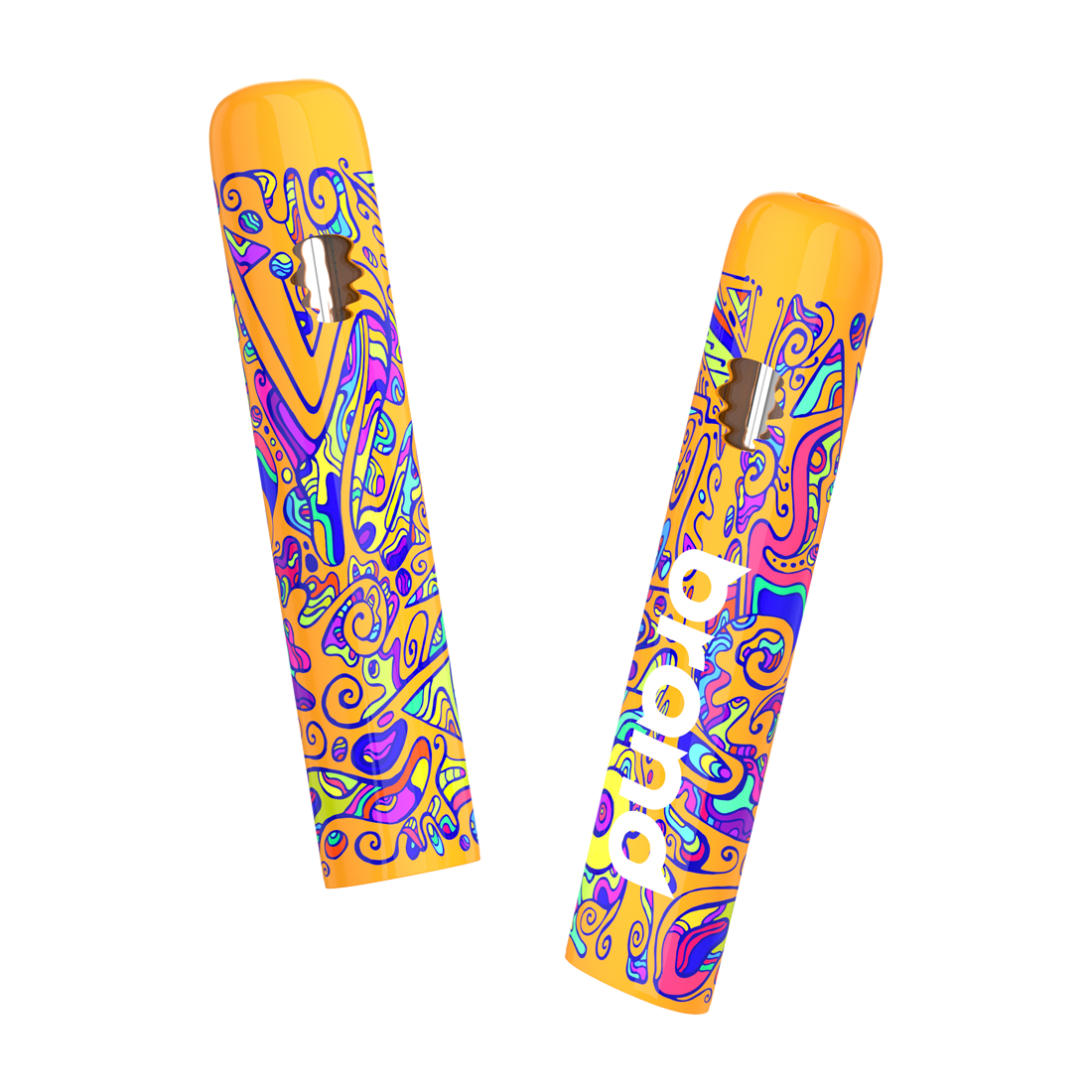 AIR
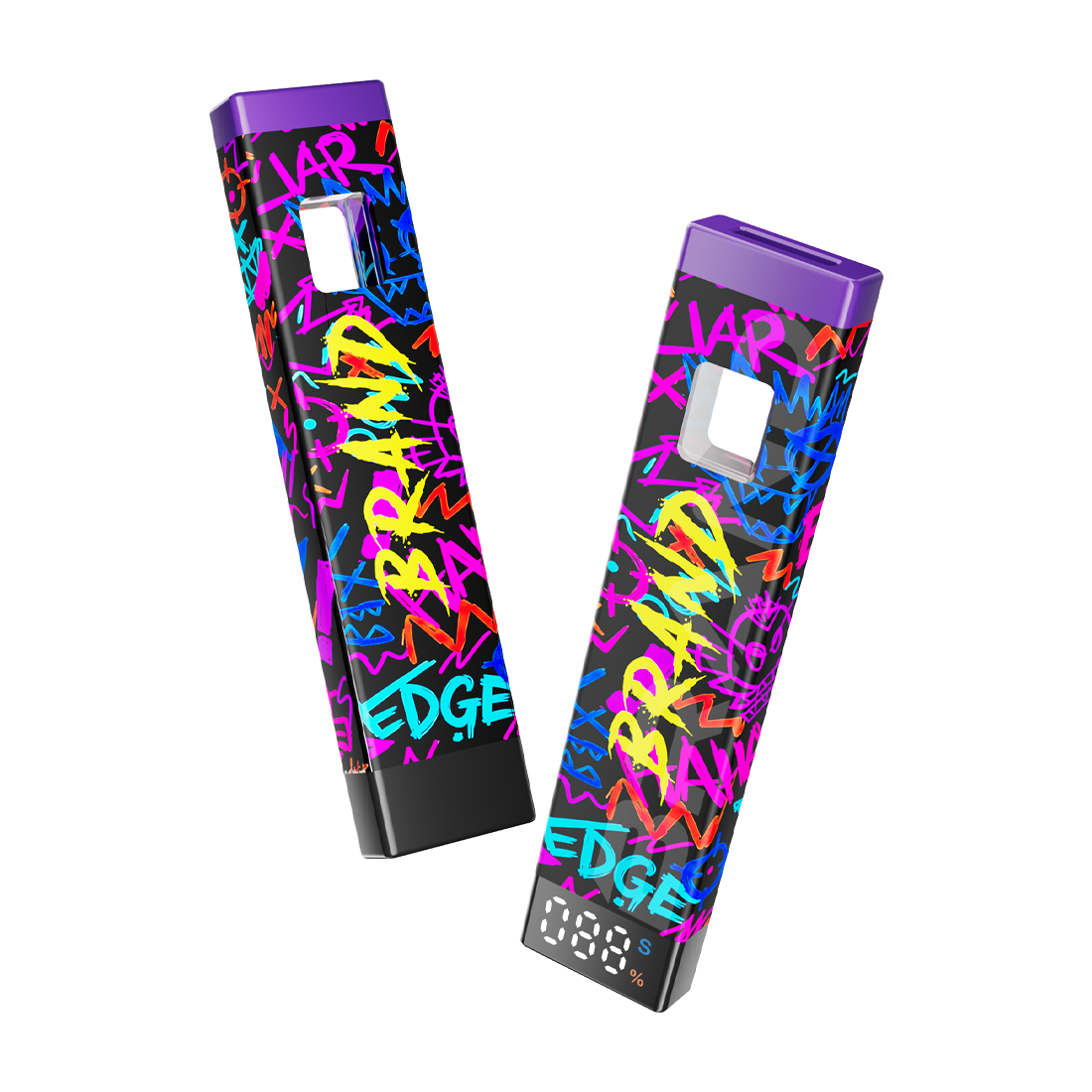 EDGE
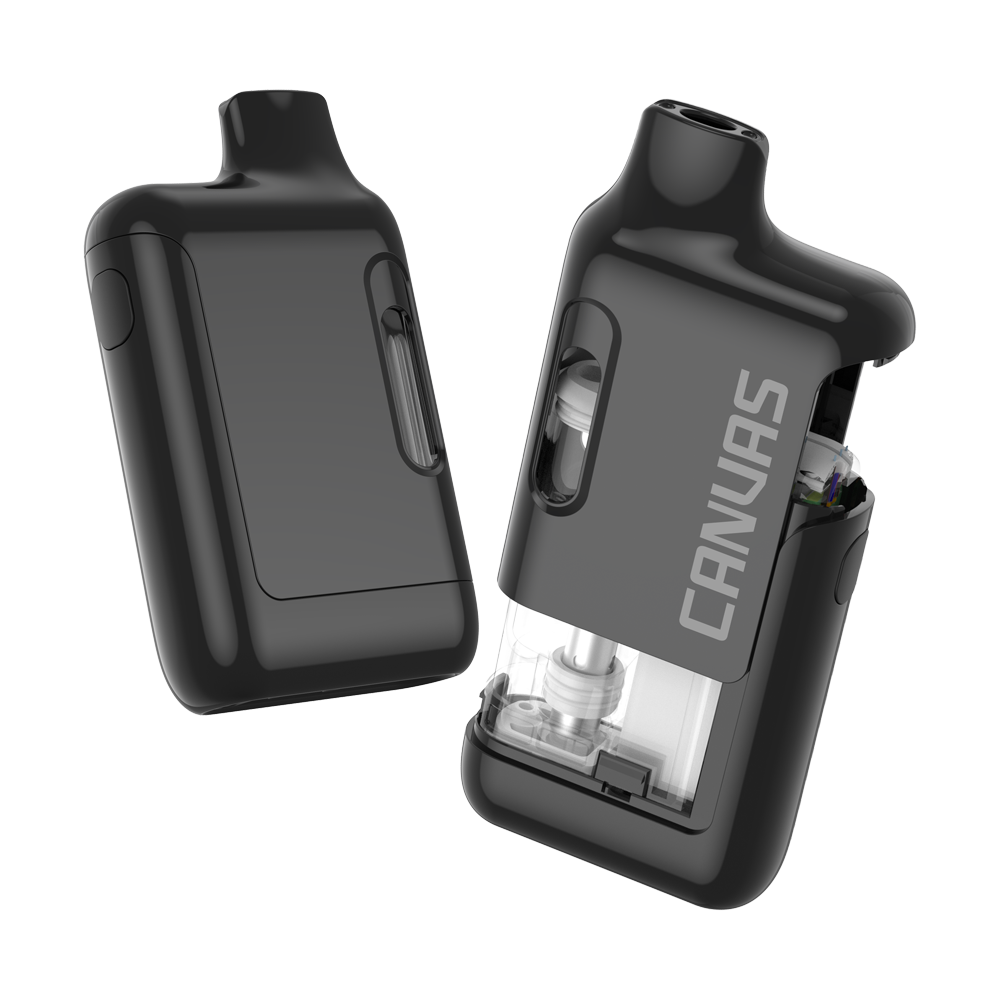 Canvas
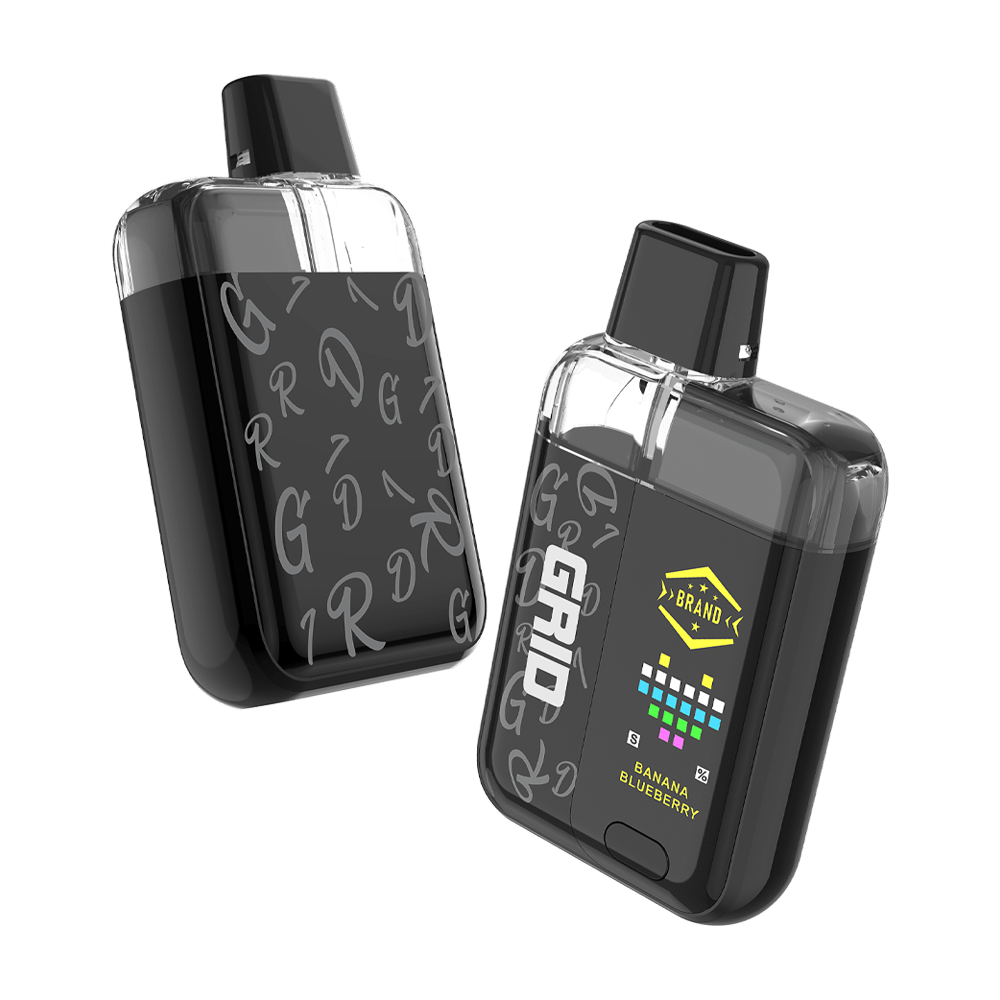 Grid
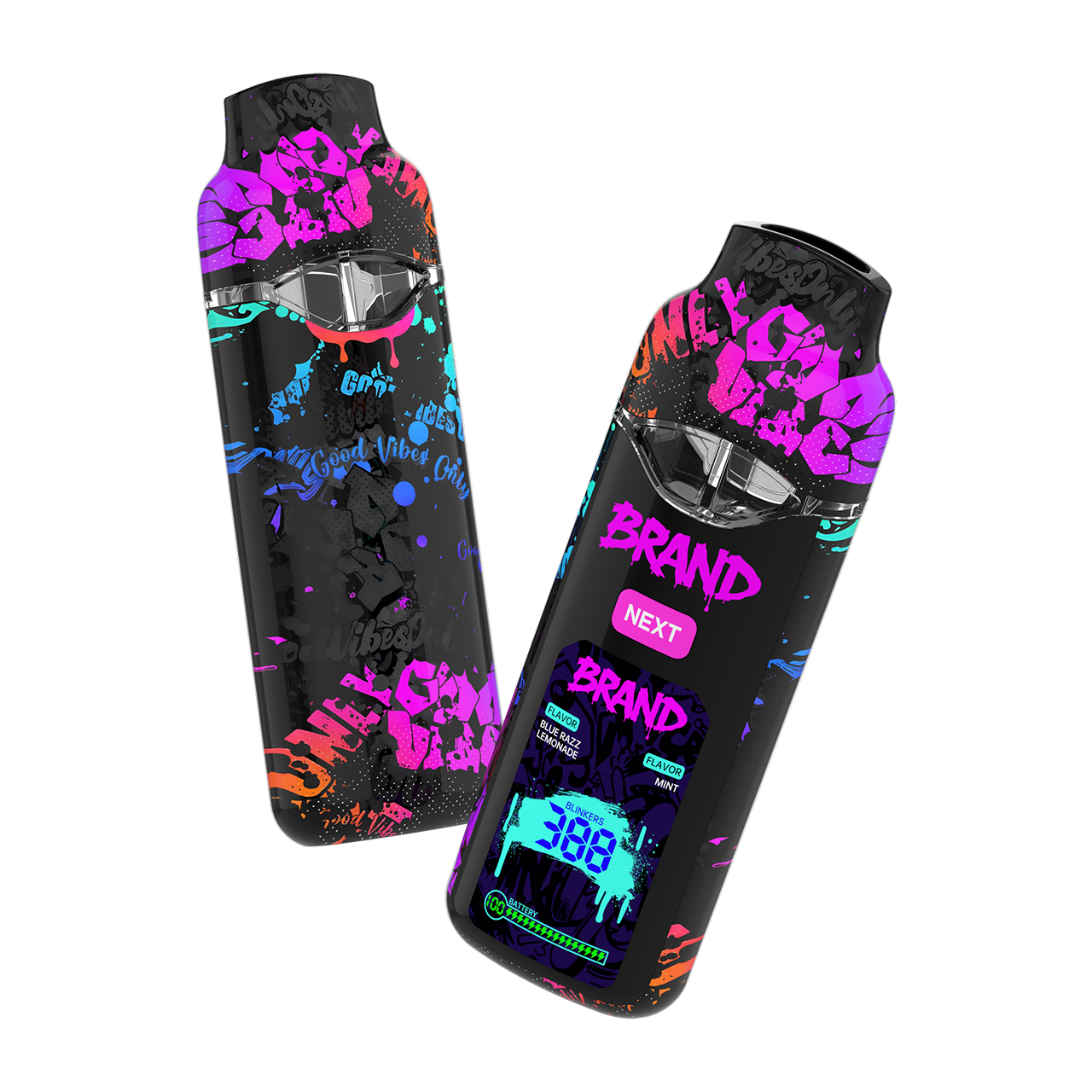 Magix Nexo
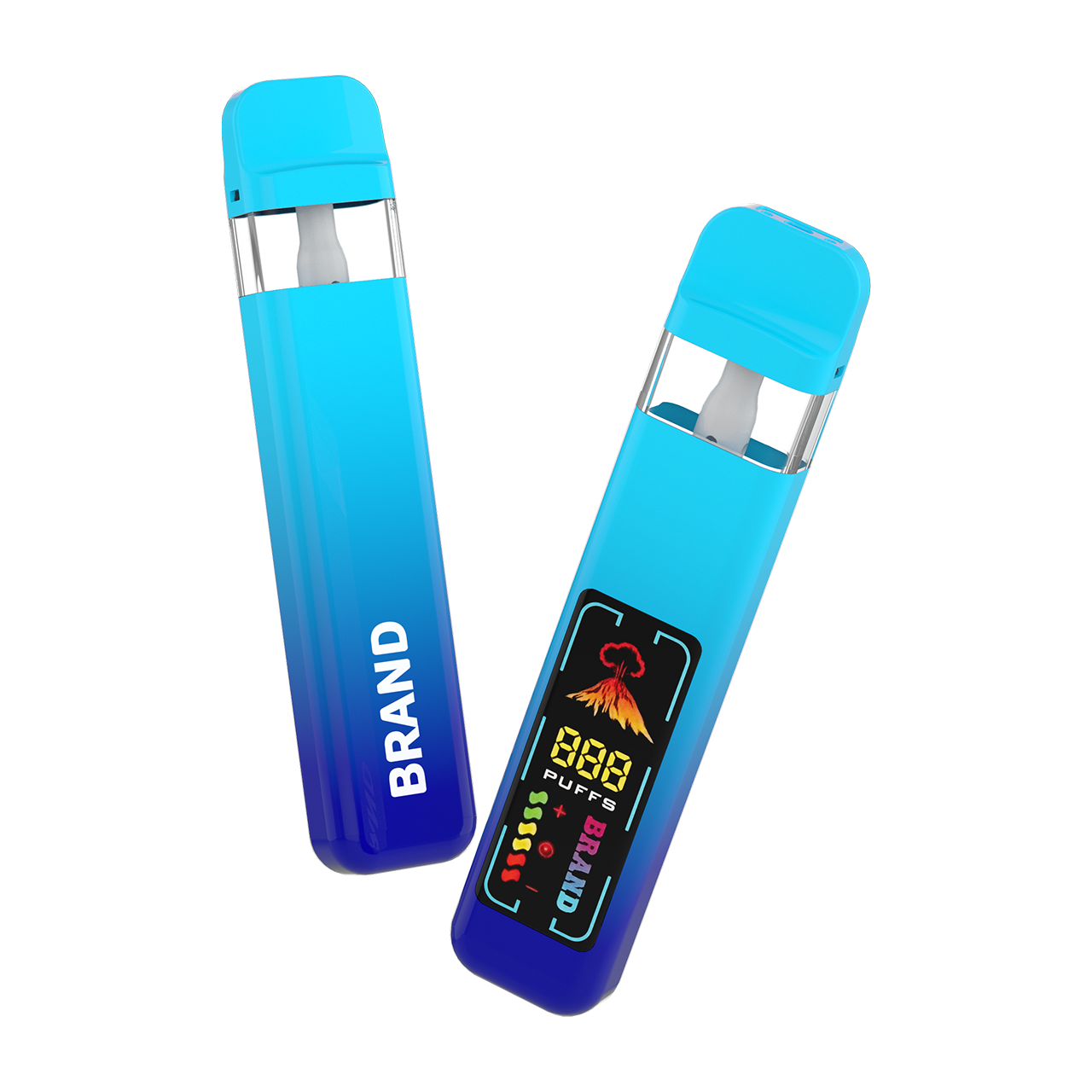 VISTA
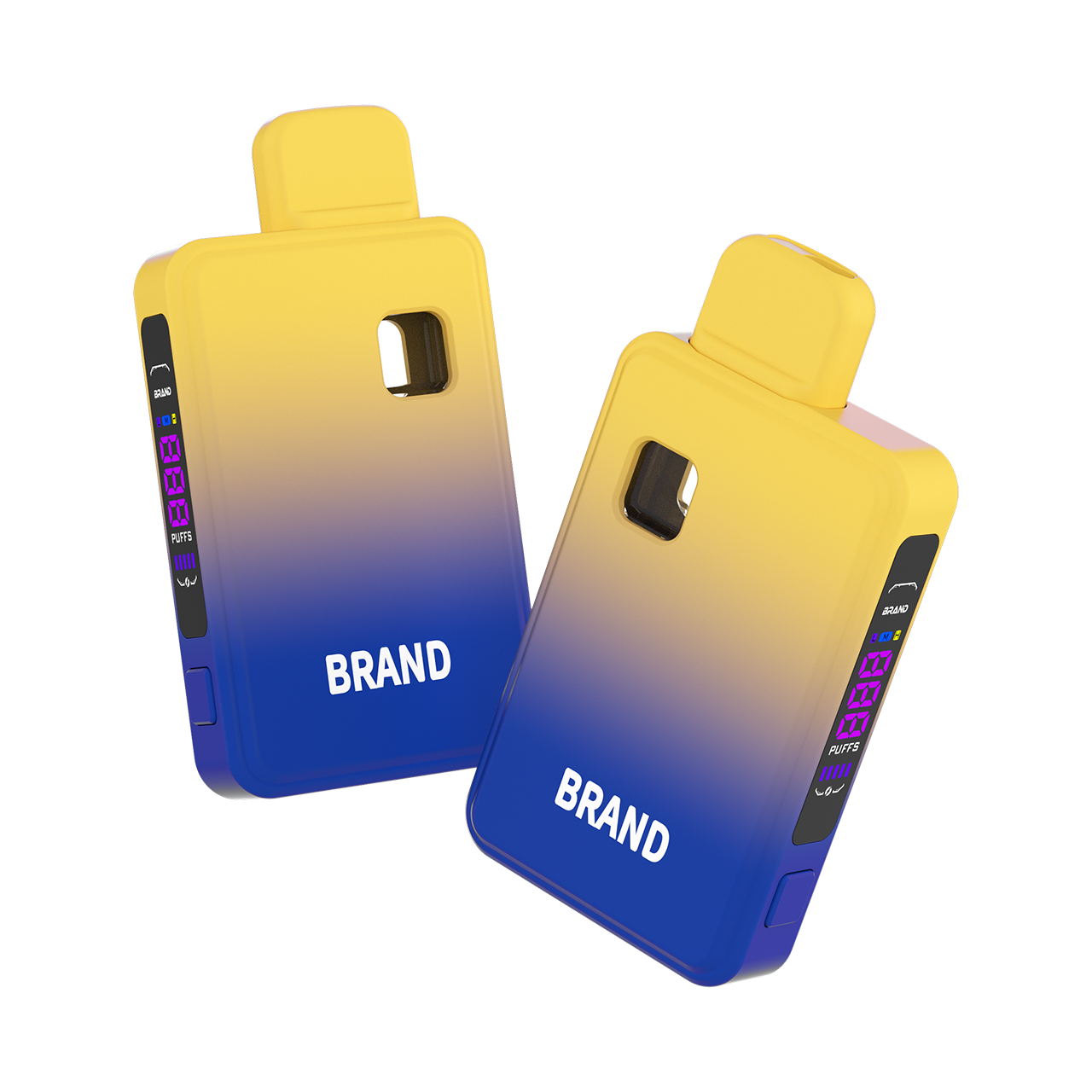 Pulse Pro
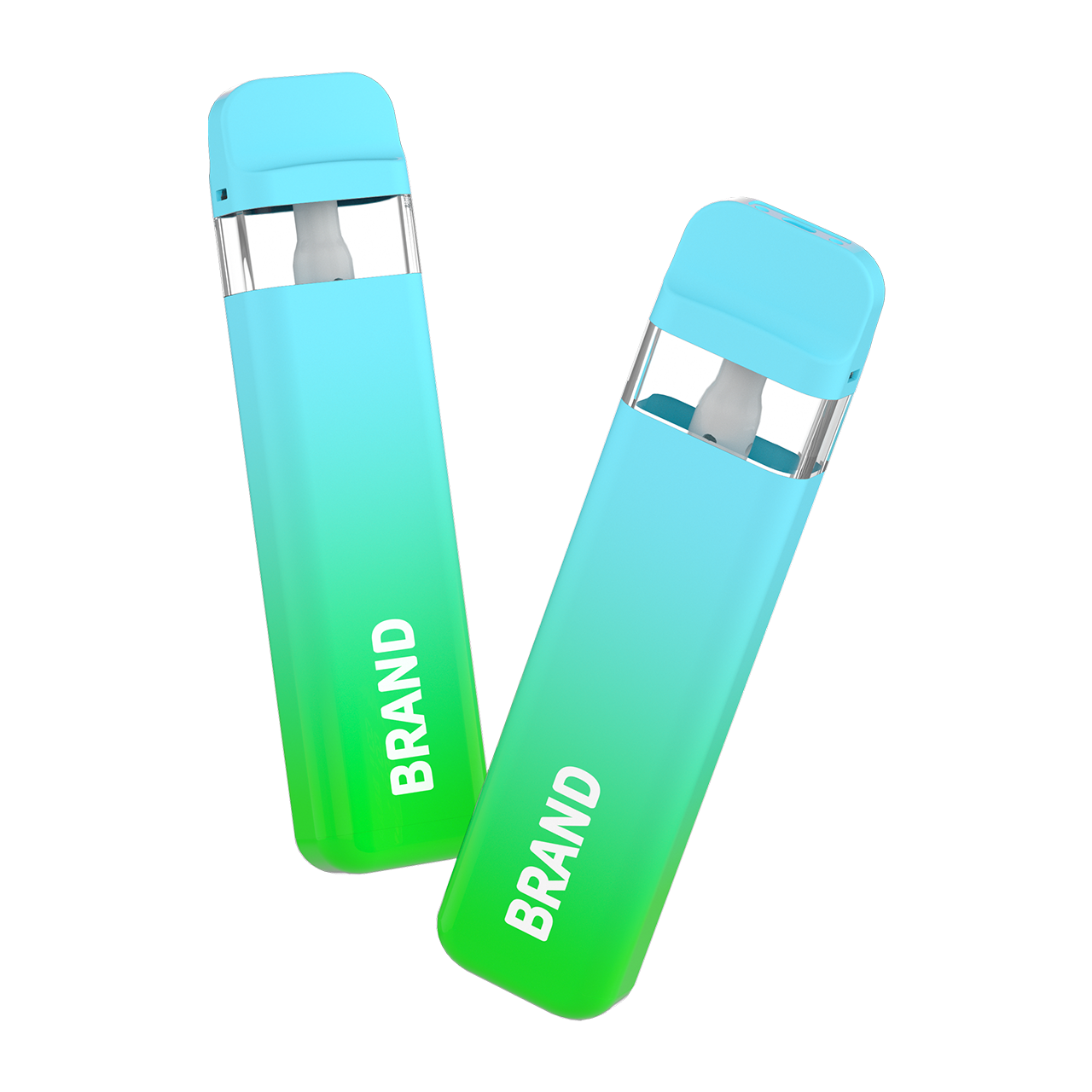 Ready S
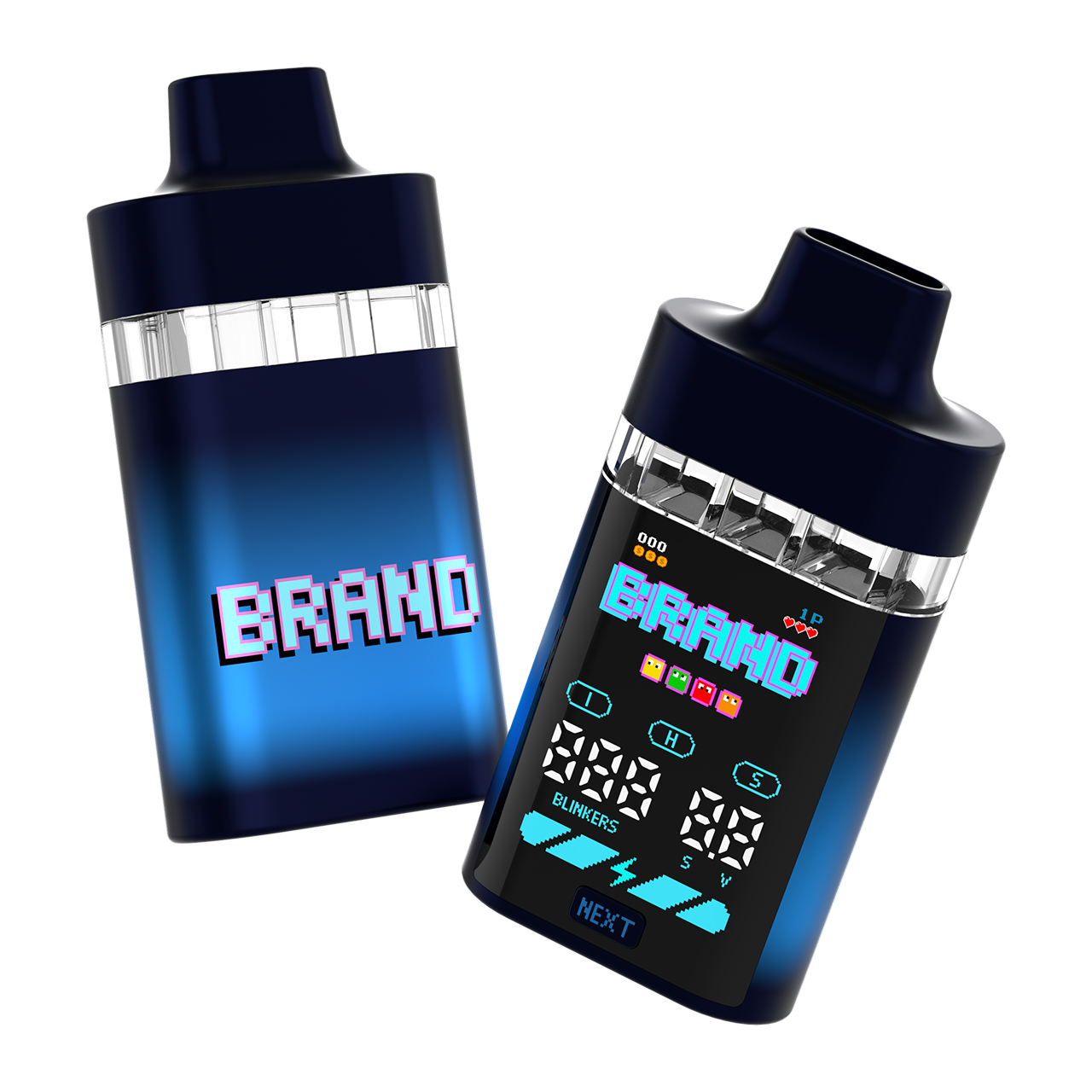 Magix Cube
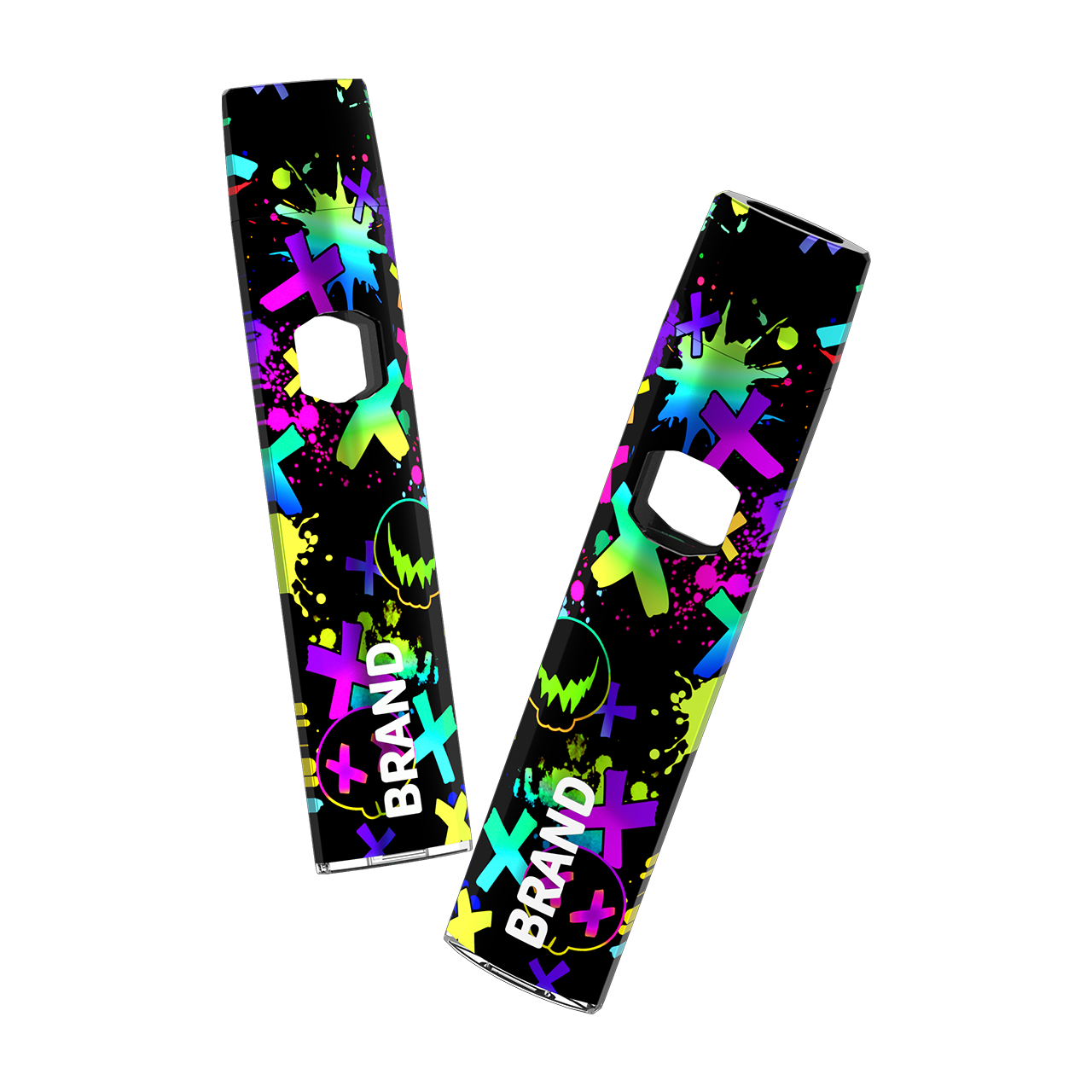 Slim
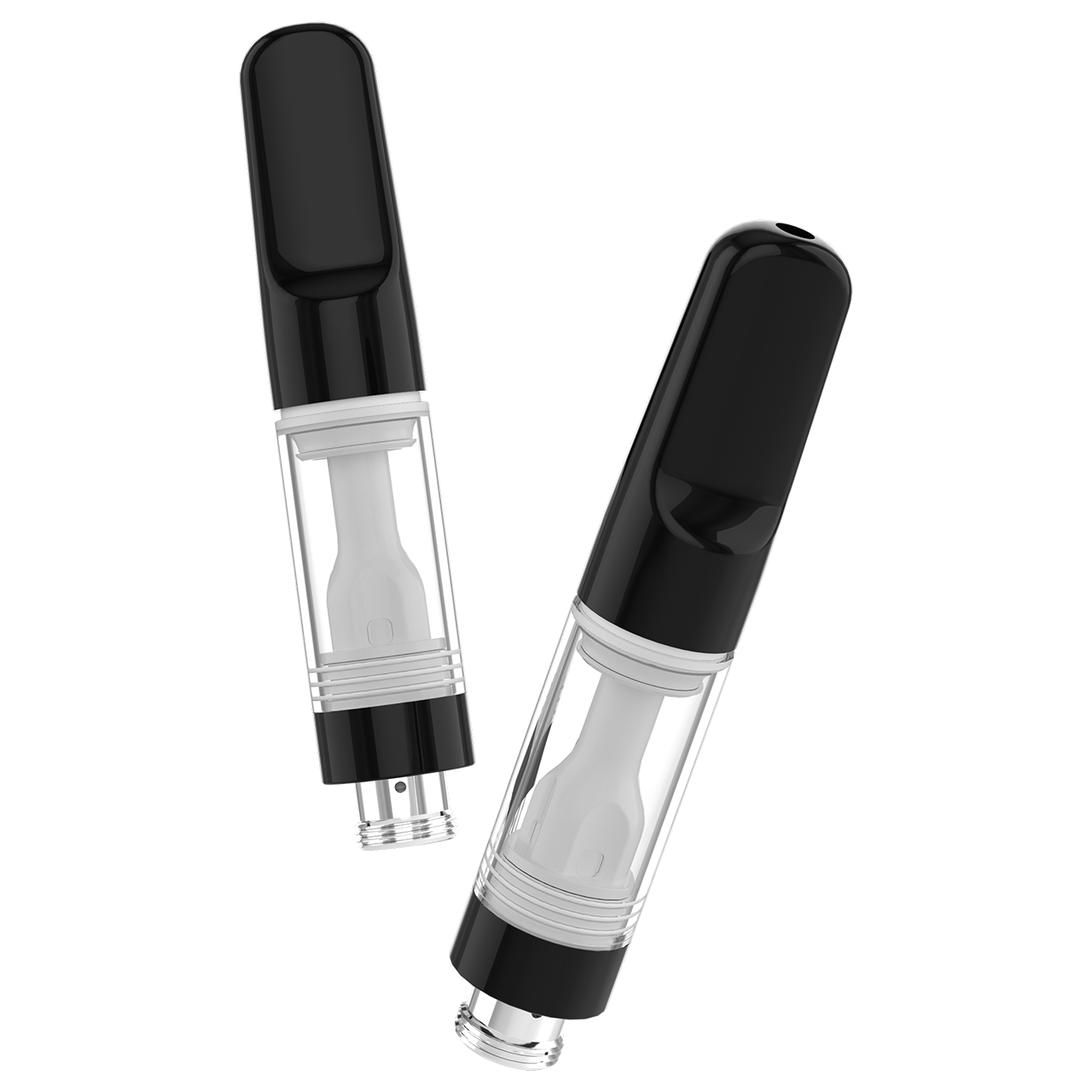 Cartridges
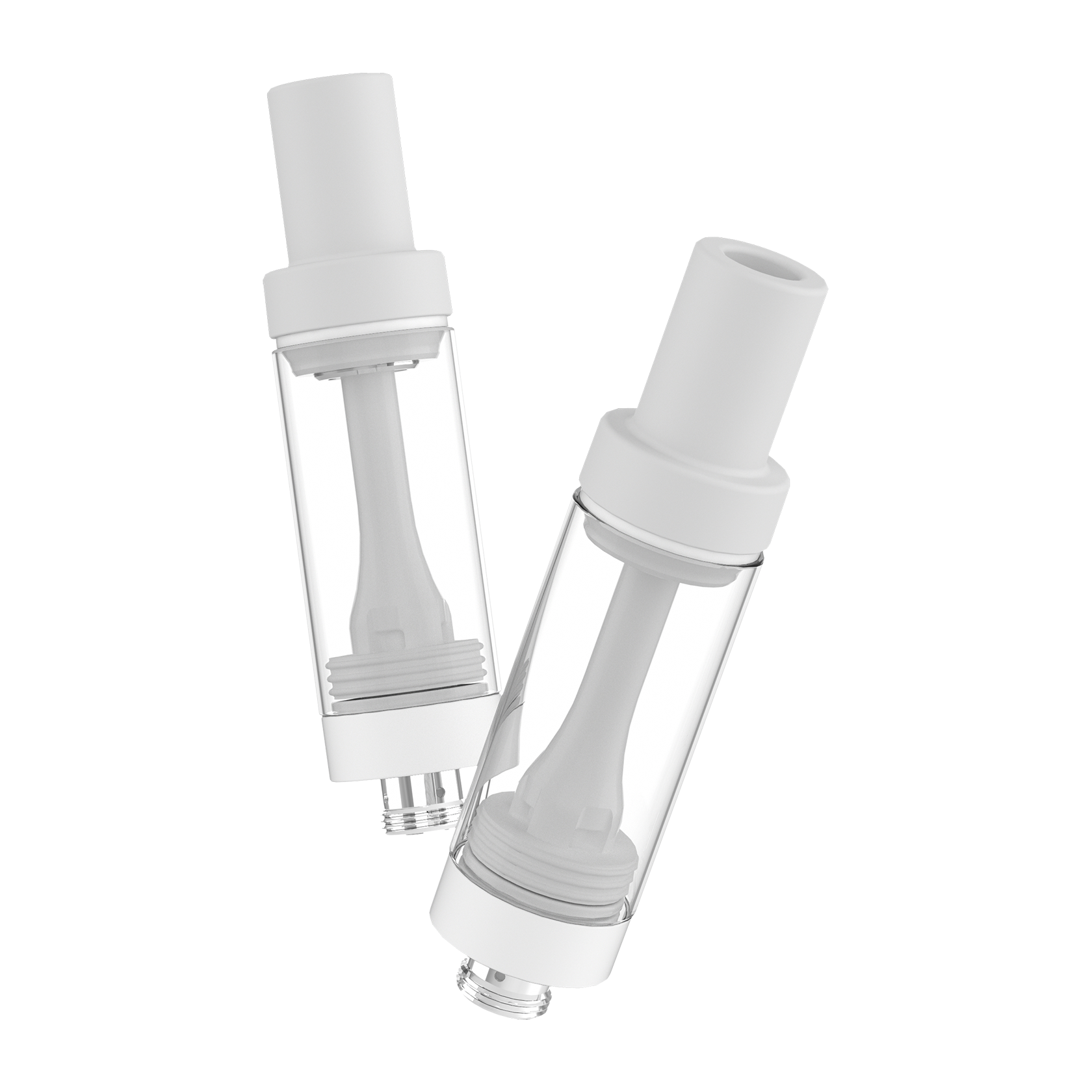 Base 2
 Core S1
 Batteries
 Vape Filter
Leave Your Message
You know, finding a legit THC vape factory isn't just about comparing prices or checking out their flashy websites. You really need to dig for evidence. The legal cannabis scene is blowing up, but the rules are all over the place—different countries, states, and even provinces have their own take. For instance, Grand View Research pegged the global legal marijuana market at around $28 billion in 2022, and they're expecting some serious growth heading into 2030. You know, that kind of growth? It really opens up more doors for suppliers, but at the same time, it bumps up the quality risks too.
Honestly, when you're on the hunt for a reliable factory, you shouldn't just take their word for it. They need to show you the goods—like proper manufacturing licenses, detailed product specs, batch records, and lab reports from an independent source. And check if they're following recognized systems, you know, like GMP or ISO 9001 or 13485, whatever fits. Also, for each batch, make sure there's documented testing for potency, contaminants, heavy metals, and pesticides—that's a non-negotiable if you ask me. And don't forget about packaging: it's got to comply with local rules, meaning child-resistant caps and clear warnings, things like that. You know, it's funny—BDSA reports keep pointing out how different each legal market is, both in rules and product standards. Like, a factory that's totally fine for one state might not even get a foot in the door somewhere else.
Honestly, details are where things get real. Don't just settle for a video tour—ask for an actual factory audit. And hey, make sure the testing lab has proper accreditation. Try tracing one sample from the moment raw materials come in all the way to the sealed carton. That should totally be doable. If a supplier dodges basic paperwork, take that as a huge red flag. No checklist is perfect, and even seasoned buyers can miss shifting rules. That's why getting a legal review before any purchase or shipment is a must—it's just a smart safety net. You know, the best sourcing decisions aren't just about picking a supplier—they're a mix of getting your hands dirty at the factory, actually checking the tech specs, keeping communication open and honest, and leaning on the advice of compliance pros who really know their stuff. When you do that, you're not only protecting the people who buy your products, but you're also backing brands that care about doing things right, and you're dodging a whole bunch of regulatory headaches down the road.
Finding a legal THC vape factory starts with geography, not a sales email. The United States hemp rule often uses 0.3% delta-9 THC by dry weight. That figure is not a global passport. Canada, the European Union, and other jurisdictions apply different definitions, limits, and licensing rules. Some regulate total THC, while others control extracts, devices, advertising, or finished-product testing. A legal product in one market may be restricted in another. The destination law matters as much as the factory location.
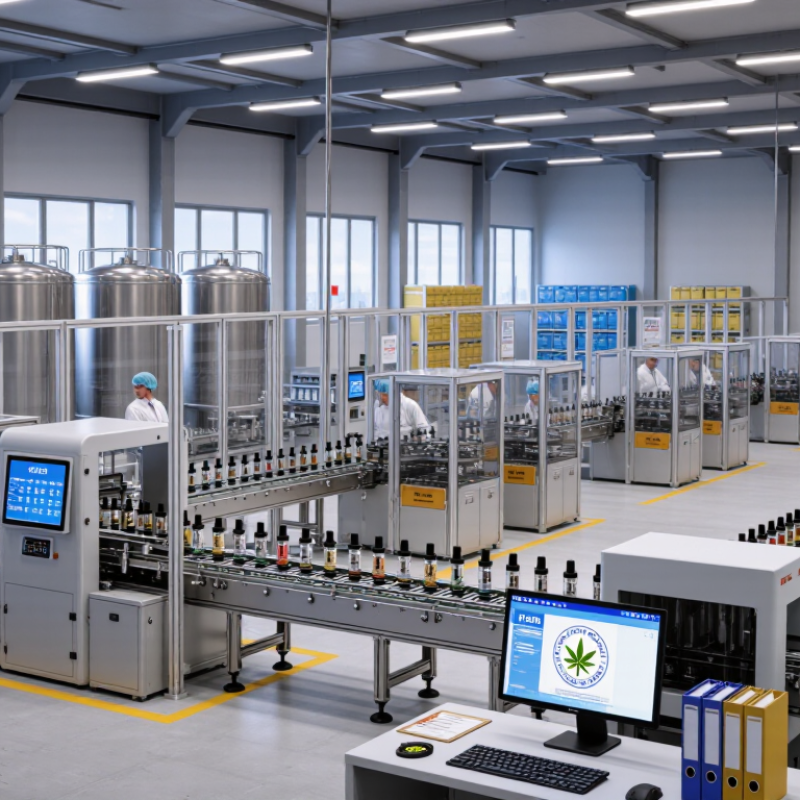
Look for a manufacturer with a verifiable address, local authorization, and documented quality system. Request recent certificates of analysis for each batch. Check the laboratory name, sample date, batch number, cannabinoid method, and contaminant panel. Independent testing should cover potency, residual solvents, heavy metals, pesticides, and microbial risks. Ask whether the certificate matches the actual formula and cartridge hardware. Small details matter. A polished PDF alone proves little. Verify certificates directly with the laboratory when possible.
Before signing, confirm who holds the product license and who accepts recall responsibility. Request written evidence for manufacturing, filling, packaging, storage, and export permissions. A factory may legally produce a formula but lack permission for your target country. Use local counsel or a qualified regulatory consultant for each market. No checklist is perfect. I would treat the 0.3% rule as a starting question, never a final answer. Records should let an auditor follow one batch from raw material to finished device.
| Market | Regulatory position | Relevant THC rule or limit | Implication for THC Vape Manufacturing | Factory-Qualification Evidence to Request |
|---|---|---|---|---|
| United States — Federal Hemp Market | Conditional | Hemp is defined under federal law as Cannabis sativa L. and its derivatives containing no more than 0.3% delta-9 THC by dry weight. State laws may be stricter and may regulate intoxicating hemp-derived cannabinoids separately. | A product may satisfy the federal hemp definition but still be restricted or prohibited in the destination state. The 0.3% rule is not a universal authorization for THC vape products. | Batch-specific certificates of analysis, dry-weight calculation, cannabinoid profile, contaminant testing, state-by-state compliance review, and documented age-restricted fulfillment controls. |
| Canada | Regulated Legal Market | Adult-use cannabis is regulated federally. Cannabis extracts, including vape formulations, are subject to a maximum of 1,000 mg total THC per immediate container, together with packaging, labeling, excise, testing, and promotion requirements. | Canadian production requires authorization under the Cannabis Act framework. A hemp certificate alone does not qualify a factory to manufacture legal Canadian cannabis products. | Applicable federal cannabis licence, quality-system documentation, product-class authorization, validated potency testing, lot traceability, child-resistant packaging, and recall procedures. |
| European Union | Country-Specific | EU rules allow certified industrial hemp varieties with a THC level of no more than 0.3% for specified agricultural purposes. This does not create a harmonized authorization for finished THC vape products across all Member States. | Finished products containing THC may be treated as controlled drugs, medicines, novel foods, or prohibited consumer products depending on the Member State and product claims. | Destination-country legal opinion, controlled-substance assessment, ingredient legality review, GMP or equivalent quality records, analytical methods, and import documentation. |
| Germany | Highly Restricted | Adult possession and cultivation rules changed under the Cannabis Act, but commercial manufacture, distribution, extraction, and sale of THC vape products remain subject to separate controlled-cannabis, pharmaceutical, and product-safety requirements. | Personal-use legalization should not be interpreted as an open commercial vape market. A factory needs a legally defined product route and the required manufacturing and distribution permissions. | Written classification of the product, relevant cannabis or pharmaceutical authorization, manufacturing-site qualification, batch-release procedures, stability data, and compliant packaging artwork. |
| Switzerland | Defined Low-THC Market | Cannabis products containing less than 1.0% THC are generally treated differently from higher-THC cannabis under Swiss rules. Products at or above the applicable threshold may be subject to narcotics controls. | The Swiss 1.0% threshold is not interchangeable with the U.S. 0.3% hemp standard. Product classification, intended use, advertising, and sales channel must be checked separately. | Swiss-compliant laboratory reports, verified THC measurement uncertainty, ingredient and claims review, product classification, packaging review, and import or distribution documentation. |
| United Kingdom | THC Vape Sales Generally Restricted | THC is a controlled drug. The low-level cannabis exemption is limited and commonly referenced around no more than 1 mg of total controlled THC per container, with additional conditions; it is not a general authorization for intoxicating THC vapes. | A factory should not market a THC vape as legally saleable in the UK solely because the product is below 0.3% THC. Medical, research, import, and consumer-product rules may differ. | UK legal opinion, controlled-drug status assessment, total-container THC calculation, import authorization where applicable, laboratory testing, and evidence supporting any medical or research pathway. |
| Australia | Medical and Therapeutic Use | THC-containing products are generally regulated through therapeutic-goods, prescription, controlled-drug, and state or territory frameworks. There is no general national adult-use retail market for intoxicating THC vapes. | Manufacturing for Australia normally requires a clearly defined medicinal or therapeutic pathway rather than a standard consumer vape model. | Therapeutic-goods regulatory strategy, GMP evidence, product registration or approval pathway, prescription controls, stability and impurity data, and compliant import documentation. |
| New Zealand | Medical and Strictly Controlled | Medicinal cannabis is regulated under the Medicinal Cannabis Scheme. Hemp products and medicinal products follow different rules, and a low-THC hemp classification does not automatically permit an intoxicating vape. | Manufacturers must distinguish between hemp-derived consumer goods and prescription medicinal cannabis. Product claims, formulation, and intended market determine the applicable pathway. | Medicinal-cannabis licensing evidence, GMP records, approved specifications, batch testing, prescription-channel controls, and documentation for every imported ingredient. |
| Uruguay | Regulated National System | Uruguay regulates adult-use cannabis through a state-controlled framework. Legal access channels and product categories are defined by national regulation; legal retail access does not automatically cover every THC vape format. | A factory must confirm whether vaporizer hardware, cannabis extracts, formulation, importation, and retail distribution are permitted within the specific regulated channel. | Local regulatory classification, cultivation or processing authorization, extraction permissions, potency and contaminant testing, traceability records, and channel-specific approval. |
| Japan | Very Strict THC Controls | Japan applies strict controls to cannabis and THC. The applicable residual-THC standards differ by product form, and non-compliant products may be treated as controlled substances regardless of foreign hemp or cannabis classification. | Foreign certificates using the U.S. 0.3% hemp rule are not sufficient. Every formulation, raw material, oil, cartridge, and finished product requires Japan-specific compliance verification. | Japanese import and legal classification review, product-form-specific THC testing, full ingredient disclosure, validated laboratory methods, customs documentation, and prohibited-substance screening. |
| Singapore | Prohibited / High-Risk Market | Cannabis and THC are strictly controlled. Possession, importation, manufacture, and trafficking can result in severe criminal penalties; the U.S. hemp threshold does not create a Singaporean exemption. | Do not treat Singapore as a normal export destination for THC vape products. Even trace cannabinoid content can create substantial legal and customs risk. | Written destination-country prohibition review, customs screening, carrier restrictions, and documented controls preventing THC products from entering the market. |
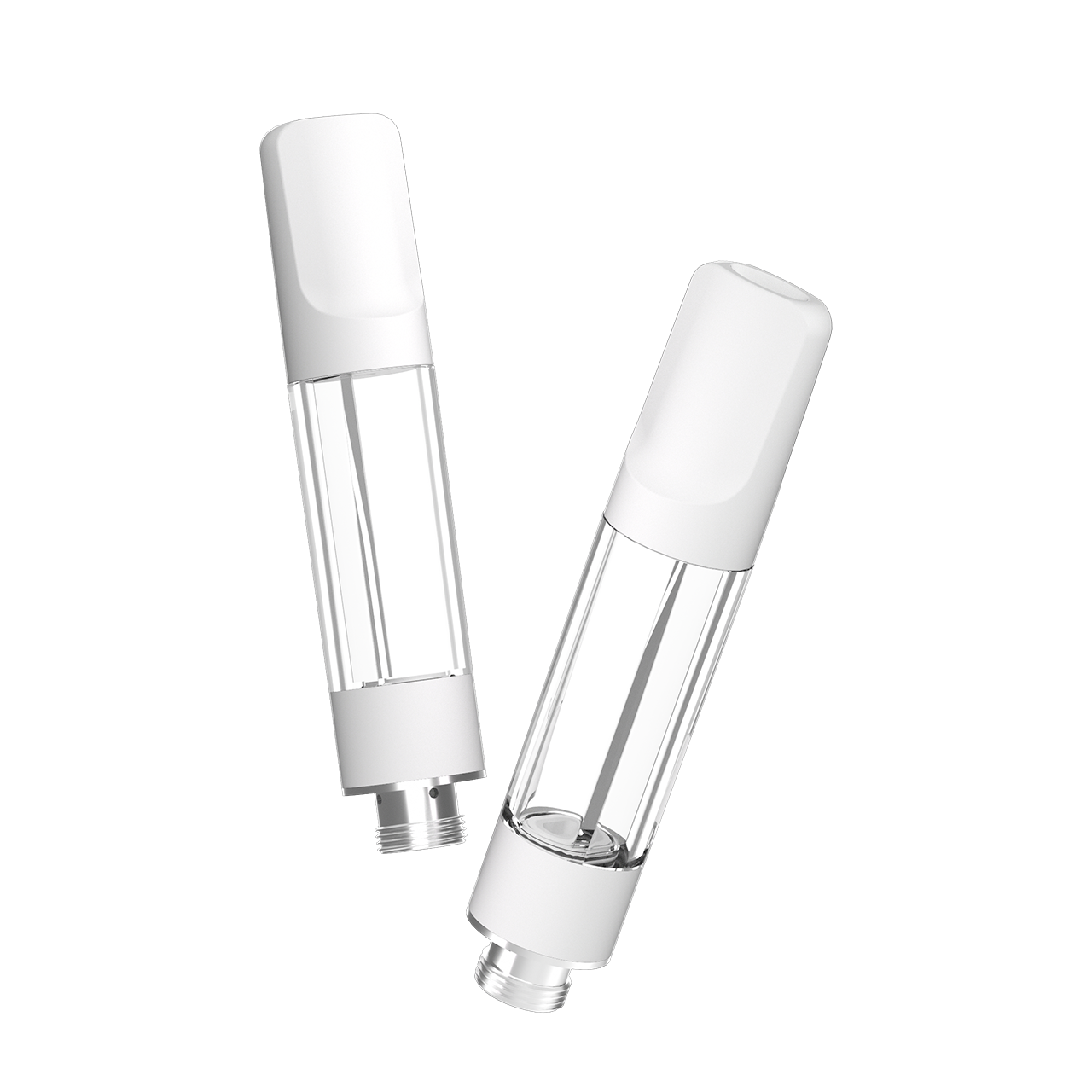
The growing demand for viscous CBD and THC oils is placing greater emphasis on cartridge consistency, oil-flow control, and scalable manufacturing. As market participants seek dependable hardware for regulated applications, ceramic cartridge designs are gaining attention for their ability to support stable vapor output without relying on excessive power. Base 2 is developed around these priorities, combining a compact structure with an integrated ceramic heating system that promotes balanced heat transfer and predictable atomization.
Rather than focusing on peak intensity, Base 2 is engineered to manage oil movement across a broad viscosity range, helping maintain a smoother experience throughout the cartridge’s operating cycle. Its internal configuration also supports more consistent performance as oil levels become low, where uneven heating and restricted flow can otherwise affect output. Standardized dimensions and a production-oriented design make the cartridge suitable for OEM development programs requiring platform compatibility, repeatable assembly, and quality control for CBD or THC formulations used only in markets where such products are legally permitted.
Request current licenses, facility addresses, quality records, batch files, laboratory reports, and destination-specific export approvals.
Review battery-cell certificates and protection-circuit records.
Store filled cartridges upright for 24 hours.
Device temperature and user behavior can change aerosol exposure.
Testing should examine metals, carbonyl compounds, and particulate emissions.
Define recall triggers, stop-shipment authority, customer notices, product tracing, testing, disposal, and payment duties.
Protect formulations, device drawings, packaging files, tooling, production data, and later improvements.
Assign responsibility for contamination, defective hardware, labeling mistakes, regulatory failures, and delayed reporting.
Look for consistent records, traceable batches, rejected-unit logs, on-site inspections, and independent test results.
Finding a reliable thc vape factory globally requires a structured compliance-first approach. Begin by defining the legal market in each target country, recognizing that THC thresholds, import rules, licensing requirements, and advertising restrictions differ significantly. Confirm that the intended products are permitted for sale and distribution, and work only with factories prepared to provide transparent documentation and regulatory support.
Evaluate manufacturers for GMP, ISO 9001, and ISO/IEC 17025-related quality practices, while verifying independent certificates of analysis covering potency, pesticides, heavy metals, and residual solvents. Hardware audits should assess battery safety, leakage prevention, product durability, and aerosol emissions. Before selecting a supplier, compare minimum order quantities, batch traceability, testing expenses, and logistics capabilities. Final contracts should clearly address recalls, intellectual property, liability, quality standards, regulatory changes, and documentation responsibilities, helping establish a safe, traceable, and legally compliant supply chain.