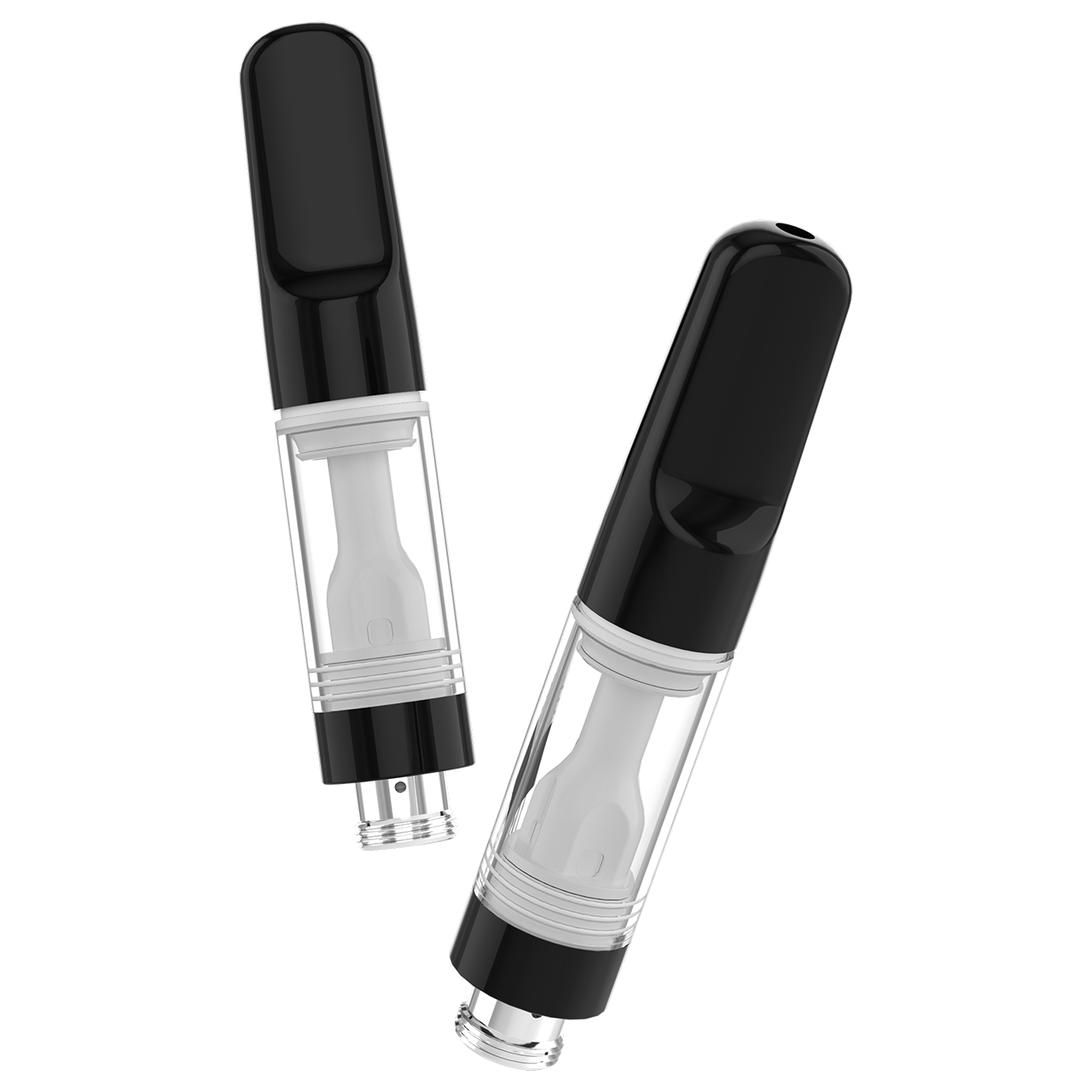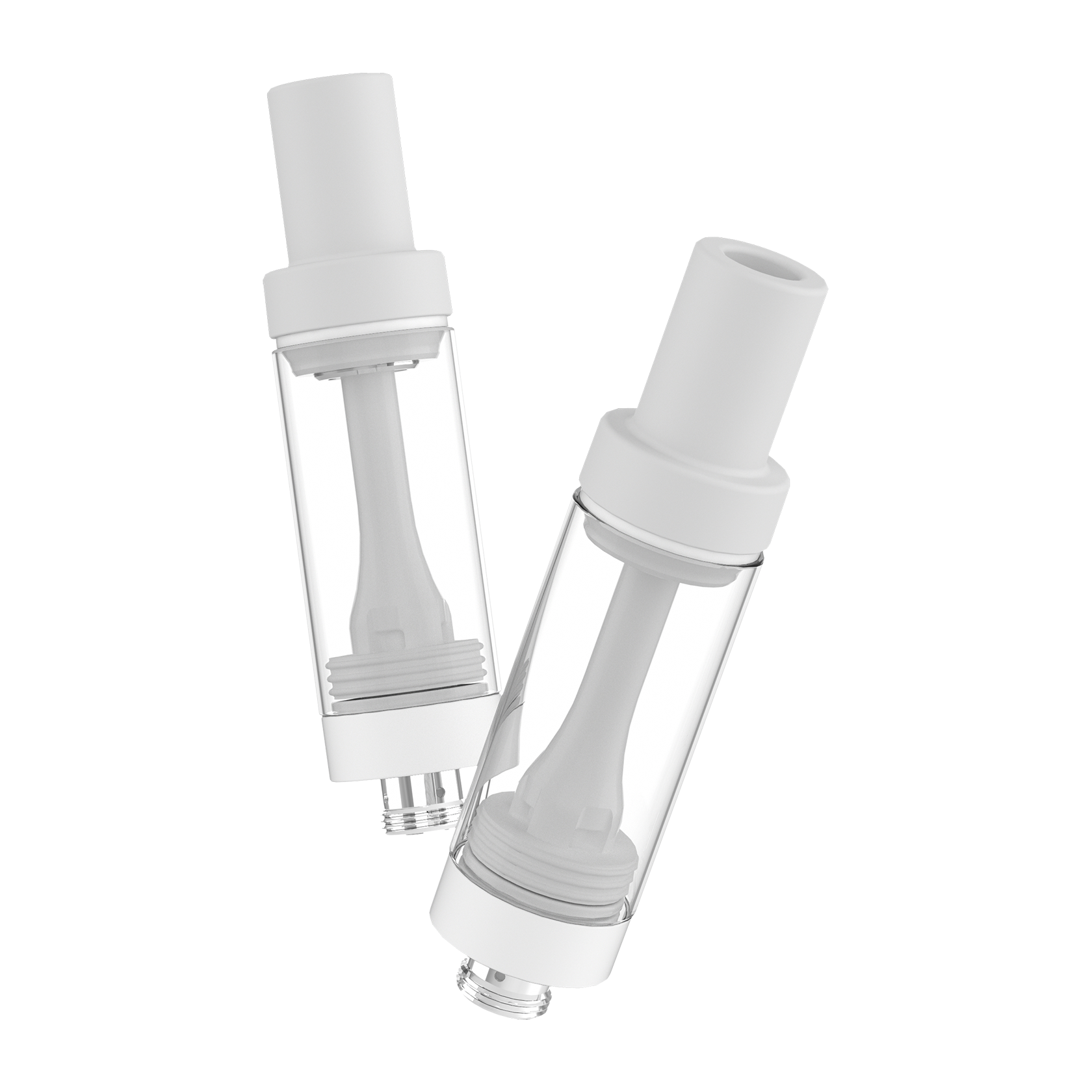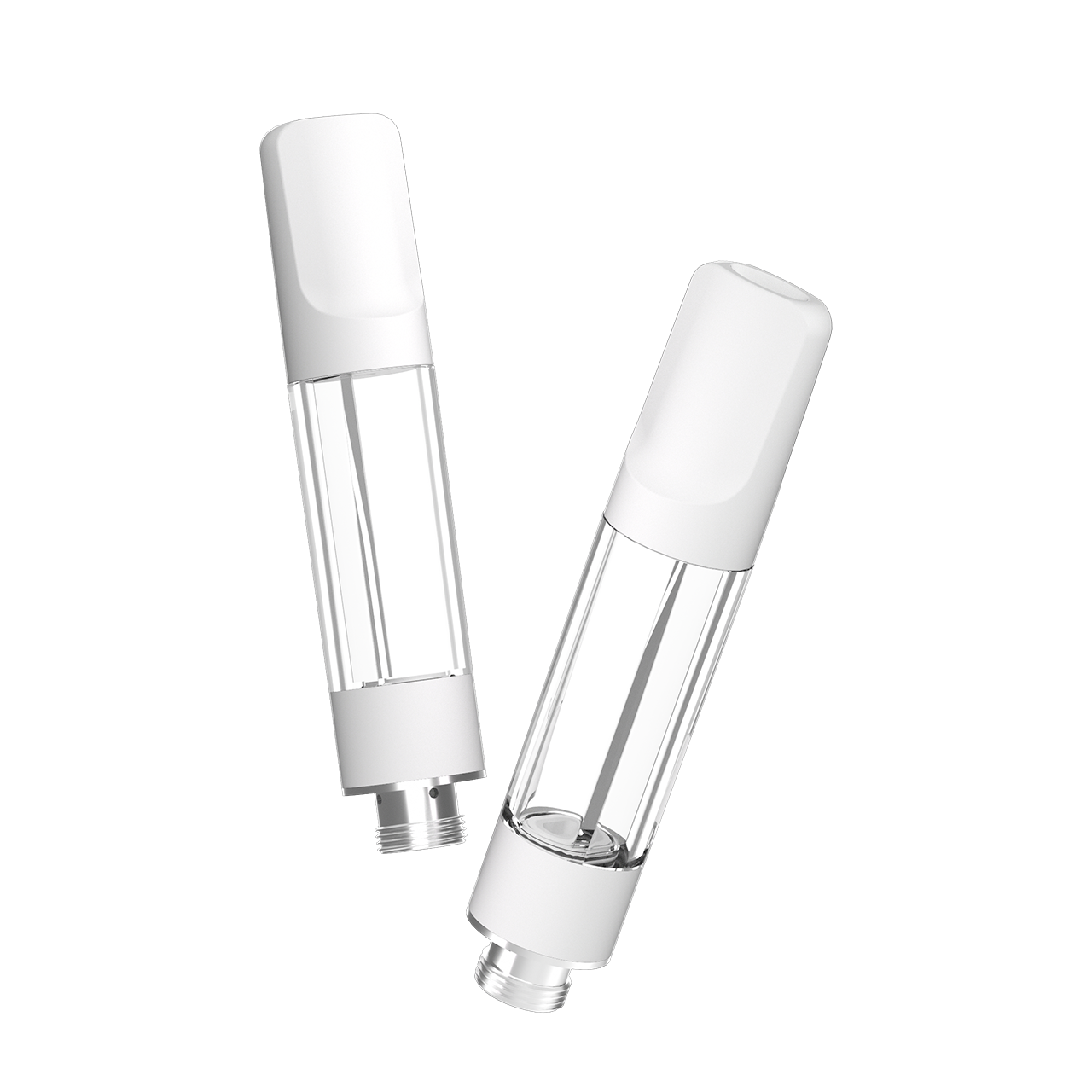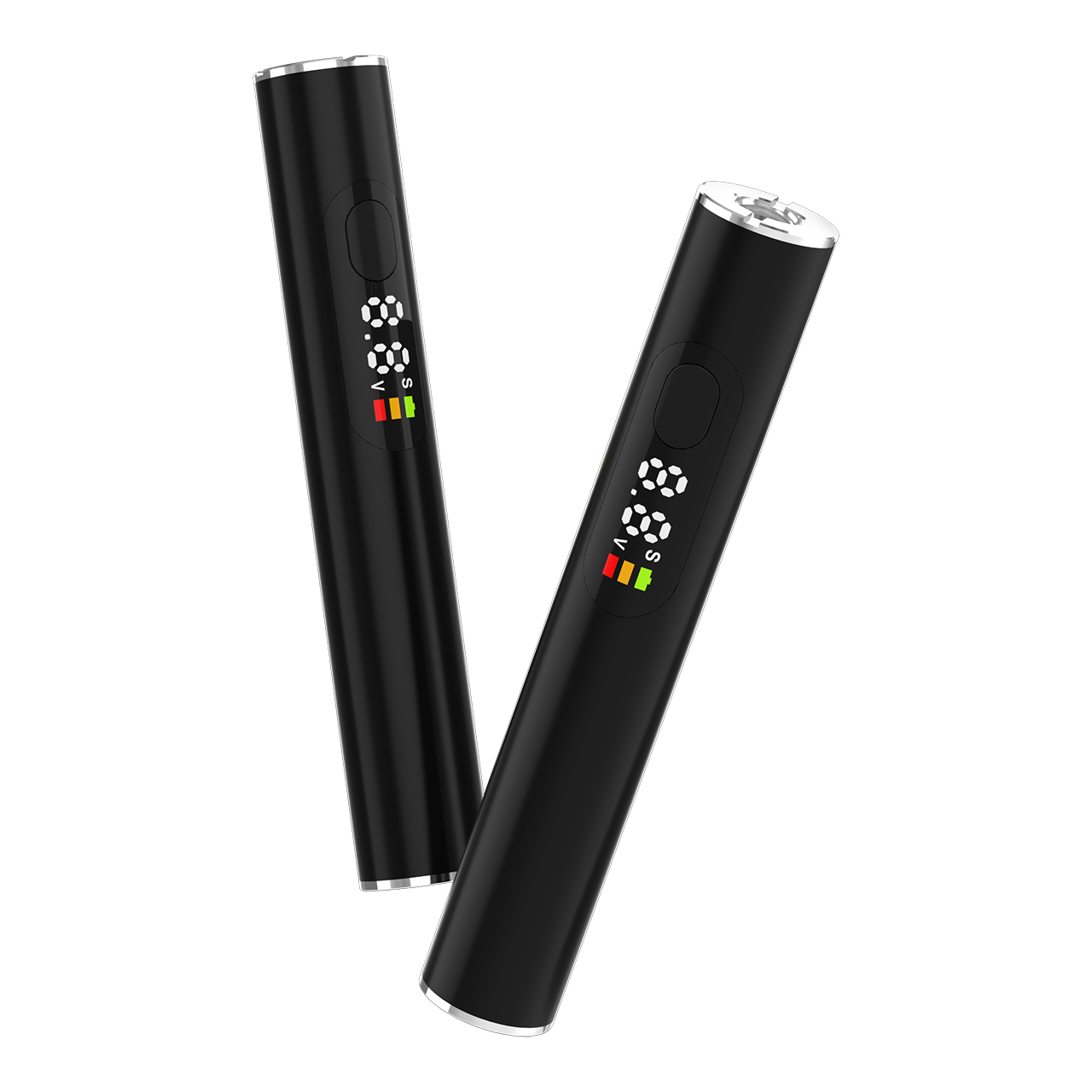
Choosing a CBD vape manufacturer for international distribution isn’t just about comparing prices, flavors, or looking at shiny factory photos. Honestly, buyers really need solid proof that the products are consistently made, tested properly, documented thoroughly, and meet the legal requirements for each country they’re headed to. A trustworthy supplier should be able to provide batch-specific certificates of analysis, ingredient details, manufacturing records, and clear quality control procedures. Visiting the factory in person can also give you a behind-the-scenes look — things like clean filling areas, properly sealed cartridges, accurate labeling, and organized sample storage all matter.
Dr. Ethan Russo, a well-respected expert in cannabinoid science, once said, “Cannabis isn’t just a single drug, but a complex botanical medicine.” That really hits home when you're sourcing CBD vapes. The stuff inside can vary a lot — from how it’s extracted, to the carrier ingredients, device materials, and storage conditions. A good CBD vape manufacturer gets this and can explain these factors without making wild health claims. Also, it’s crucial to double-check things like age restrictions, allowed ingredients, packaging rules, testing requirements, and import laws for each market you’re entering.
This guide is meant to give international buyers an honest look at some of the top Chinese manufacturers. We look at their experience, how transparent they are with testing, their ability to customize orders, communication skills, and post-sale support. But, I gotta be honest — it’s not perfect. Public info can be scarce, and claims made by factories sometimes need independent verification. A low quote might seem great, but it could hide issues like poor documentation, inconsistent batches, or nasty compliance problems down the line. The smart move is to ask for samples, review recent lab reports, check traceability codes, and test the packaging before committing to big orders. The best supplier isn’t always the biggest — it’s the one that can reliably deliver products that meet all the rules and isn’t afraid to admit when there’s room for improvement.

A reliable China CBD vape manufacturer is defined by evidence, not polished catalogs. Experienced buyers inspect the factory, quality records, and communication process. They ask where materials come from and how each batch is tracked. A serious supplier provides current certificates, ingredient specifications, and independent laboratory reports. Those reports should identify cannabinoid content, contaminants, heavy metals, and solvents, when relevant to the product and destination market.
Nothing should be accepted on appearance alone.
Production controls matter every day. Visitors should observe clean handling areas, calibrated filling equipment, sealed packaging, and documented sampling. An empty vape manufacturer may focus on hardware consistency, while a CBD producer must also manage formulation controls and batch separation. Ask for leak testing, heating-element checks, storage conditions, and stability data.
Some factories answer quickly but vaguely. That is a warning, not efficiency. I would rather receive an imperfect but traceable sample than a perfect presentation with missing records.
Reliability also includes responsible market support. The manufacturer should verify labeling, product claims, age-related requirements, import documents, and testing expectations for each target country. Requirements change, and one certificate rarely covers every market. Written specifications should state materials, tolerances, packaging components, and recall procedures. Keep communication in a shared record. Small omissions become expensive later. A dependable partner admits limits, corrects errors, and supports audits without defensiveness.
Reliable CBD vape manufacturing begins with documented controls, not attractive packaging. Factories should identify every raw material, from botanical extract to coil metal and battery casing. Each lot needs supplier records, testing results, and a traceable batch number.
Good facilities use controlled rooms, calibrated filling equipment, and written cleaning procedures. Extracts should be tested for cannabinoid content, heavy metals, pesticides, solvents, and microbial contamination. Independent laboratories add credibility. However, laboratory reports can become outdated when formulas change. That detail is often overlooked.
Device quality matters equally. Inspectors should check oil leakage, airflow consistency, heating temperature, battery protection, and cartridge compatibility. Packaging must show clear ingredients, batch information, storage guidance, and appropriate safety warnings. Child-resistant features may also be required in certain markets. Requirements differ widely, so buyers must verify the destination country’s rules before production.
Even when buyers search for a thc vape manufacturer, they should apply the same evidence-based checks and confirm that the intended product is legally permitted. A factory should provide samples from multiple batches, not only one polished unit. Ask for deviation records and corrective actions. Problems happen. Hiding them is the larger risk.
On-site audits can reveal practical weaknesses, such as unlabeled containers, crowded worktables, or inconsistent weighing records. Certifications are useful, but they do not replace direct verification. A dependable manufacturer welcomes questions, preserves records, and explains limits without exaggerated claims.
Top China CBD Vape Manufacturers for Global Buyers
For global buyers, product quality begins with evidence, not attractive packaging. Ask for batch-specific certificates of analysis from an independent laboratory. The report should identify CBD content and screen for pesticides, heavy metals, residual solvents, and microbial contamination. Match the batch number on the report, box, and cartridge. Small mismatches can reveal weak traceability.
Hardware needs equal attention. Request leakage tests, heating consistency data, and battery safety records. Inspect the oil chamber, mouthpiece, seals, and charging design. A sample may perform well for one day, yet fail after repeated use. That is where evaluation becomes difficult. My own checklist would include accelerated storage testing, although many suppliers may provide limited data. Ask clear questions and record every answer.
Tips: Verify laboratory accreditation and test methods. Review the full ingredient list, not only the headline cannabinoid. Check packaging for accurate contents, warnings, lot numbers, and storage guidance. Confirm that product claims avoid medical promises. Compliance depends on the destination, product composition, advertising language, and import rules. A manufacturer should support documents for customs review and maintain a clear recall process. Never rely on a generic certificate or a copied report. Before placing a large order, test a small batch under controlled conditions and consult qualified local regulatory professionals.
Recommended buyer-evaluation weighting based on the importance of laboratory verification, contaminant control, regulatory documentation, and supply-chain transparency. These are evaluation criteria, not company or brand performance results.
For global sourcing, buyers should request batch-specific certificates of analysis, verify cannabinoid potency, screen for pesticides, heavy metals, residual solvents and microbial contamination, and confirm that labeling, ingredients, manufacturing controls and import documentation meet the destination market’s requirements.
Global buyers are increasingly comparing manufacturing models before selecting a vape manufacturer. Grand View Research valued the global CBD market at approximately USD 7.59 billion in 2023. It also forecast a 16.2% compound annual growth rate from 2024 to 2030. These figures suggest opportunity, but demand does not replace compliance.
Private label suits buyers needing ready-made, lawful CBD products under their own packaging. The manufacturer usually supplies standard hardware, formulations, and documents. It can reduce development time and minimum order complexity. However, control may be limited. Ask for batch-specific certificates of analysis, ingredient origins, and packaging compatibility tests.
OEM production offers more control over hardware, dosage, cartridge materials, and filling requirements. Buyers provide detailed specifications, while the vape manufacturer manages production. This model requires stronger technical knowledge. Test reports should cover cannabinoid content, heavy metals, pesticides, microbial contamination, and residual solvents. Independent laboratory verification matters.
ODM goes further. The manufacturer develops the product concept, formulation, device structure, and production process. It can support distinctive designs, but intellectual-property ownership must be written clearly. The World Health Organization has noted that CBD quality and safety depend heavily on reliable composition and contamination controls. That point is easy to underestimate.
A practical mistake is treating a polished sample as proof of scalable quality. It is not. Request pilot batches, stability data, traceability records, and jurisdiction-specific compliance reviews. Rules differ across countries, and some prohibit CBD vaping products entirely. Product claims, labeling, import documents, and advertising language also require local professional review.
Global demand for cannabidiol products is expanding, but export readiness requires more than attractive packaging. Grand View Research valued the global CBD market at approximately USD 7.6 billion in 2023. Its forecast also indicated strong growth through 2030. However, vape products face stricter scrutiny because they are inhaled.
A compliant shipment should include a commercial invoice, packing list, certificate of origin, safety data sheet, and accurate HS classification. Each batch should carry a recent certificate of analysis from an independent, competent laboratory. It should show cannabinoid content, residual solvents, heavy metals, pesticides, and microbiological results. Documentation must match the lot number printed on every carton. Small errors matter.
Check the destination before production. Some markets restrict CBD ingredients, inhalation devices, advertising claims, or permitted concentrations. A ceramic vape manufacturer should provide material specifications, migration testing, device records, and traceability evidence. Do not rely on a supplier’s general “export certificate.” It may not satisfy customs or health authorities. Industry reports offer useful market estimates, not legal approval. The WHO’s expert review found no evidence of CBD producing effects typical of controlled substances, yet this does not override national rules. A neat folder is not proof of compliance. I have seen export plans underestimate labeling translations, importer responsibilities, and changing regional guidance. That weakness deserves a second review before shipment.
Top China CBD Vape Manufacturers for Global Buyers
Selecting a manufacturing partner requires more than comparing unit prices. Global buyers should verify whether the factory understands the destination market’s CBD rules. Requirements may cover ingredients, labeling, emissions, packaging, and permitted cannabinoid limits.
Ask for current third-party laboratory reports for every production batch. Check contaminant screening, cannabinoid accuracy, heavy metals, pesticides, and microbiological results. A reliable manufacturer should explain its testing process clearly. Look for documented quality systems, hygienic production areas, trained staff, and complete batch traceability. Request samples before discussing large orders. Inspect oil consistency, vapor output, cartridge performance, and packaging details.
Tips: Confirm minimum order quantities, lead times, replacement policies, and export documents in writing. Ask who owns the formula and packaging artwork. Review the factory’s response speed, not only its sales presentation. Small delays can become expensive after shipment.
Manufacturing experience matters when products use different devices or formulations. Ask how the partner manages leakage, clogging, battery compatibility, and storage conditions. Technical answers should include measurable procedures, not vague promises. Buyers should also confirm that the finished product can legally enter each target country. One certificate may not satisfy every regulator. That detail is easy to miss. A video tour helps, but it cannot replace an independent audit. No checklist is perfect. Leave room for verification, corrective actions, and uncomfortable questions before signing a supply agreement.
| Evaluation Dimension | Verified Industry Fact | Recommended Buyer Benchmark | Documents or Tests to Request | Risk Indicator |
|---|---|---|---|---|
| Destination-Market Compliance | CBD vape products are regulated differently across countries and may be subject to tobacco, medicinal-product, food, consumer-product, or controlled-substance rules. | Confirm legality, THC limits, permitted ingredients, notification duties, labeling rules, and import requirements before placing an order. | Written regulatory assessment, product specification, ingredient list, THC statement, label artwork, and customs documentation. | Supplier promises universal compliance without identifying the destination country. |
| Cannabinoid Identity and Potency | A certificate of analysis should identify cannabinoids and report measured concentrations rather than relying only on the formulation label. | The batch COA should match the product lot, declared CBD amount, serving format, and applicable THC threshold. | Independent laboratory COA using a validated cannabinoid method, with sample date, lot number, laboratory identity, and results. | Undated COA, missing lot number, unverifiable laboratory, or results that do not include THC. |
| Contaminant Control | CBD extracts and vape formulations can require testing for pesticides, heavy metals, residual solvents, microbial contamination, and mycotoxins, depending on the market and ingredient source. | Use a risk-based panel that covers every contaminant required by the destination market and the raw-material supply chain. | Full-panel third-party test report, raw-material COAs, supplier qualification records, and corrective-action procedure. | Only potency is tested; no evidence of contaminant screening or batch traceability. |
| Laboratory Independence | ISO/IEC 17025 is the international standard used to assess the competence of testing and calibration laboratories. | Prefer testing by an independent laboratory accredited for the relevant methods and analytes in the destination market. | Accreditation scope, laboratory certificate, test method, chain-of-custody information, and original report verification. | A report shows a laboratory logo but no accreditation scope or verifiable report number. |
| Manufacturing Quality System | ISO 9001 is a quality-management-system standard; certification alone does not prove that a vape product complies with every applicable law. | Assess documented purchasing, batch records, deviation control, complaints handling, CAPA, sanitation, and product-release procedures. | Current certificate, certification scope, audit summary, SOP index, sample batch record, and quality agreement. | A certificate is presented without scope, issuing-body verification, or supporting operating records. |
| Formulation and Ingredient Safety | Ingredients suitable for oral use are not automatically suitable for inhalation. Formulation safety must be assessed for the intended route of administration. | Require a complete ingredient disclosure, inhalation-use rationale, impurity limits, and confirmation that no prohibited or undeclared additives are used. | Formula specification, safety data sheets, allergen statement, raw-material COAs, change-control policy, and regulatory review. | “Natural” or “food-grade” is used as the only evidence of inhalation suitability. |
| Device and E-Liquid Compatibility | Viscosity, coil design, heating temperature, airflow, and formulation composition affect leakage, aerosol consistency, and user experience. | Validate the exact formulation and hardware combination through leak, activation, draw, storage, and accelerated-aging tests. | Engineering specification, compatibility report, filling-volume tolerance, leak-test records, and retained samples. | The supplier changes the cartridge, coil, battery, or oil viscosity without written approval. |
| Battery and Transport Safety | Lithium-ion cells and devices may be subject to transport requirements, including UN 38.3 testing for lithium battery shipments. | Confirm battery type, capacity, protection features, charging design, packaging, and transport classification for the chosen logistics route. | UN 38.3 test summary, relevant battery safety reports, SDS, packing specification, and shipping declaration. | No battery documentation, mismatched capacity information, or unsafe charging instructions. |
| Packaging and Label Control | CBD and vape labeling requirements can include ingredients, net contents, batch identification, warnings, age restrictions, importer details, and mandated language. | Approve market-specific artwork only after a compliance review; ensure every retail unit can be linked to its production batch. | Artwork proof, packaging specification, barcode or serialization plan, batch-coding sample, and packaging test records. | Generic packaging is reused across countries or lacks lot and expiry information where required. |
| Traceability and Recall Readiness | Effective traceability links raw materials, production records, test results, packaging, shipment quantities, and customers to a defined batch. | The manufacturer should be able to identify affected units and provide a documented recall and complaint-response process. | Mock-recall results, batch genealogy, retention-sample policy, complaint log procedure, and recall contact list. | No batch records, no retained samples, or inability to trace a finished unit to raw materials. |
| Sampling and Pre-Shipment Release | A production sample and a finished-batch sample are not interchangeable; final release testing should represent the goods actually shipped. | Use written acceptance criteria for appearance, fill weight, functionality, packaging, labeling, and laboratory results before shipment. | Approved golden sample, inspection checklist, final COA, inspection report, and shipment-release authorization. | Mass production begins before sample approval or final-batch testing. |
| Commercial Reliability | MOQ, lead time, payment terms, tooling costs, and replacement policies vary by formulation, device configuration, packaging, and order volume. | Compare suppliers using the same specification and obtain written terms for MOQ, lead time, warranty, defects, rework, and change approval. | Formal quotation, production schedule, quality agreement, warranty terms, change-notification clause, and sample invoice. | The lowest unit price is offered without clear testing, warranty, lead-time, or change-control terms. |
| Claims and Marketing Controls | Health, therapeutic, disease-prevention, and medicinal claims can trigger additional regulatory obligations and may be prohibited without authorization. | Use only claims reviewed for the destination market and maintain evidence for any permitted product statement. | Approved claims matrix, label review, substantiation file, advertising review procedure, and distributor guidance. | The supplier guarantees medical outcomes or encourages unsupported wellness claims. |
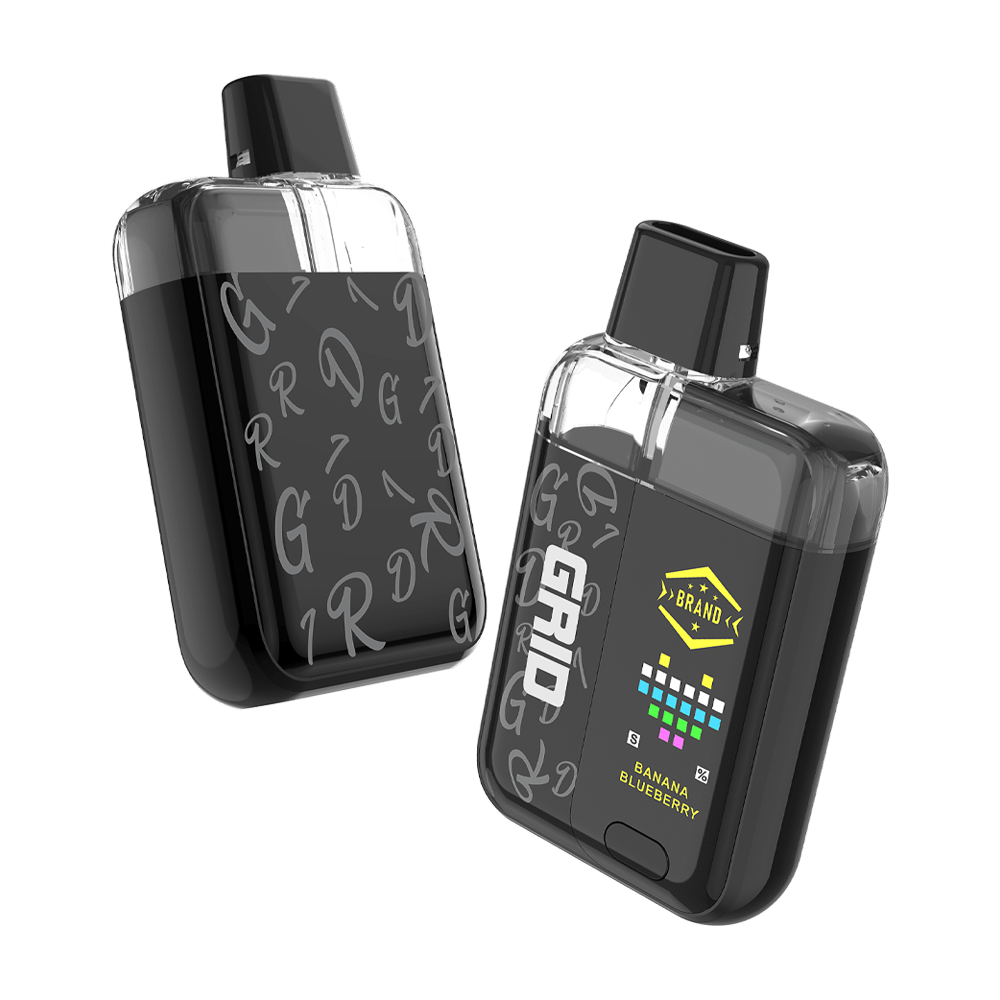
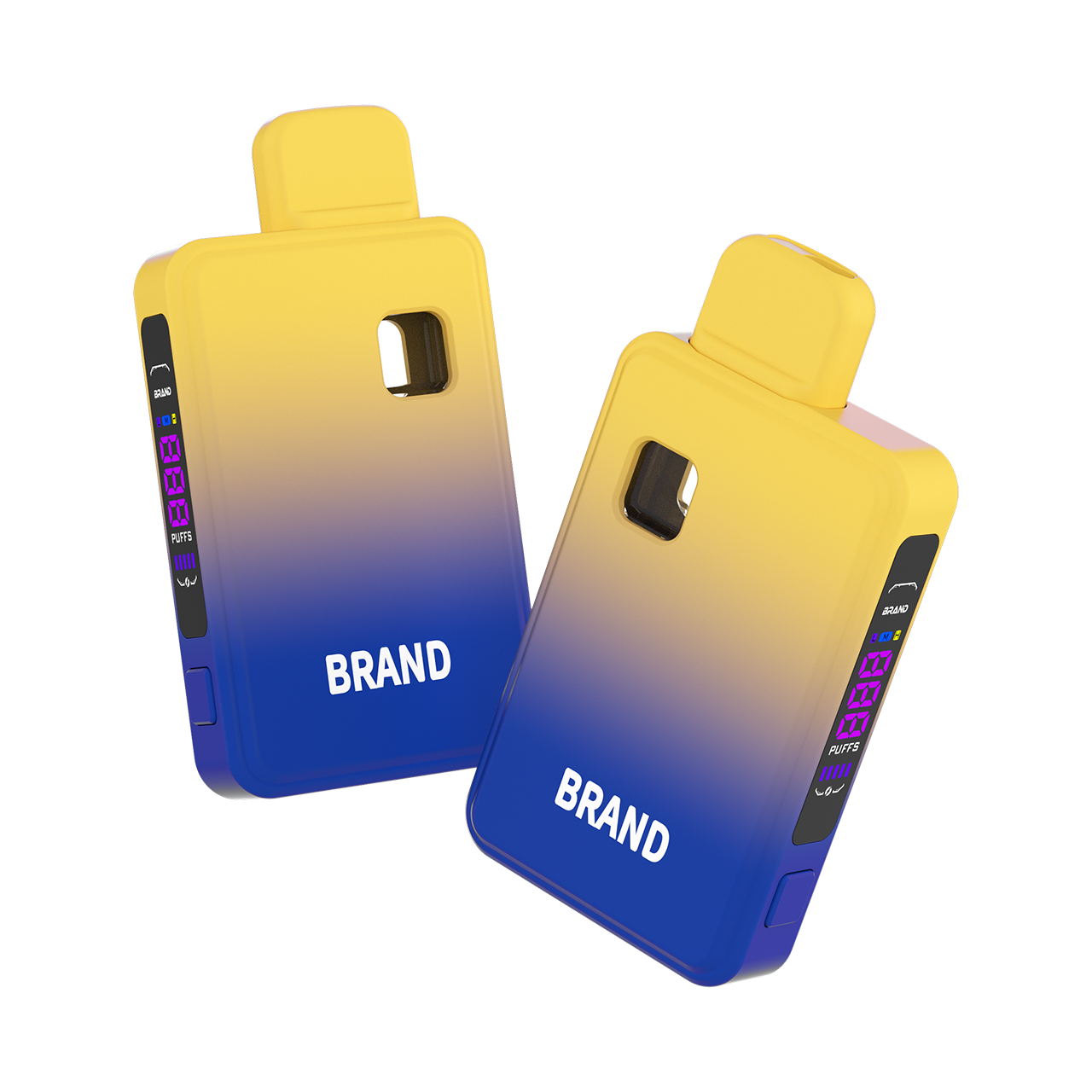
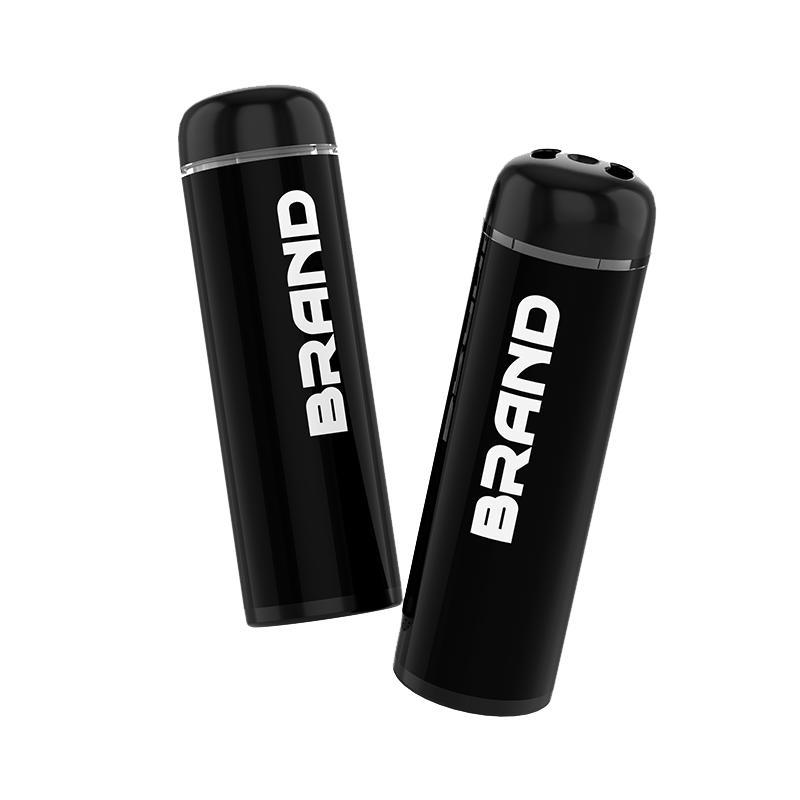
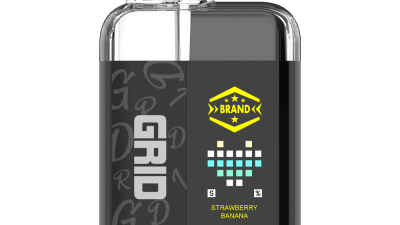
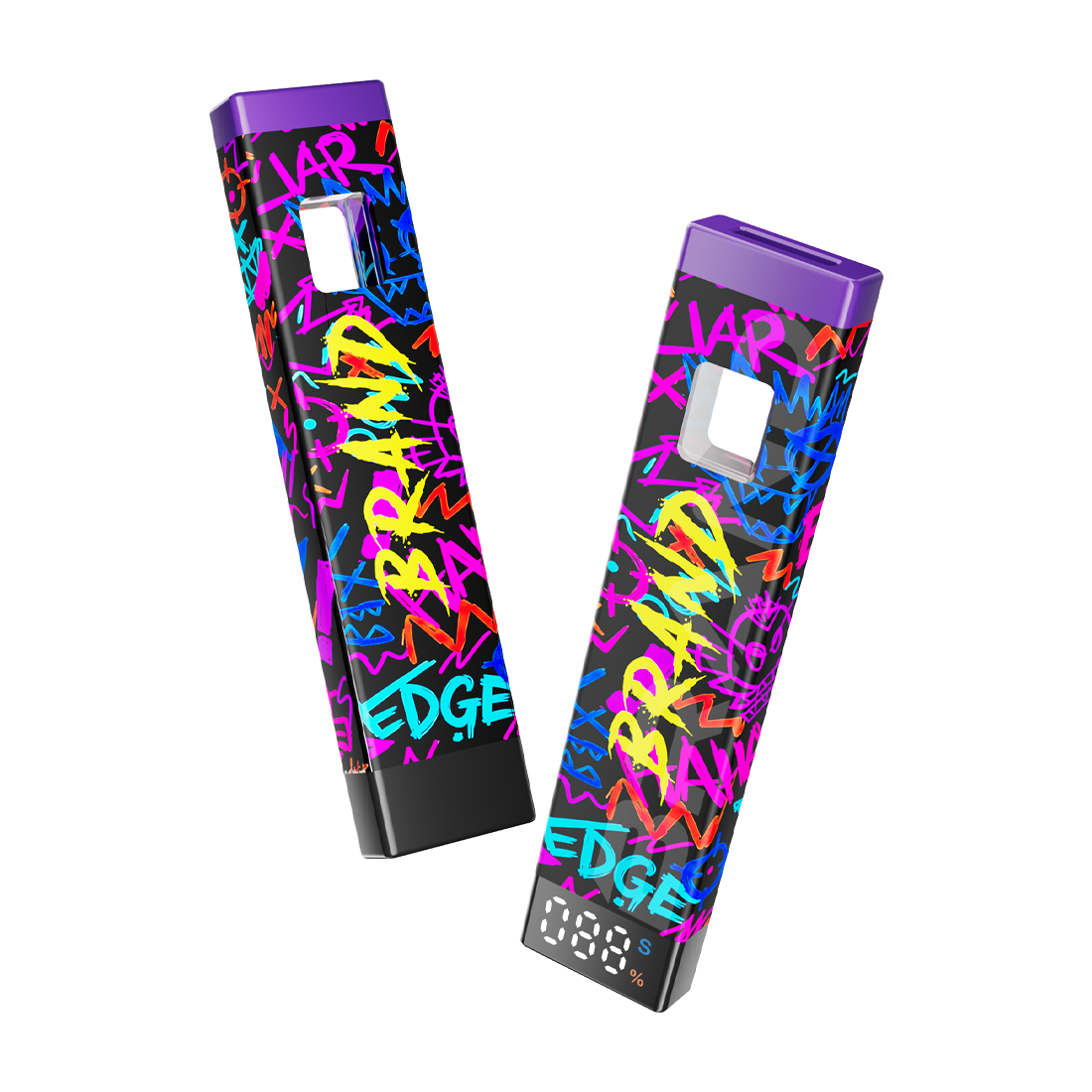
The Grid disposable vape box introduces a distinctive visual feature that sets it apart from ordinary hardware: a heart-shaped animation built into the LED display. With each draw, the heart gradually takes shape, creating a smooth light-up effect that feels engaging and easy to notice. As the display changes color and flickers gently, the device adds a stylish touch, especially in dim environments, without relying on complicated controls or oversized decoration.
At the center of the design is the 10-second power-off function. During use, the heart animation develops step by step, then transitions into a new visual scene when the ten-second interval is reached. This timing-based display combines practical device feedback with an expressive light effect, making the box feel more interactive than standard disposable hardware. Its compact construction, cost-conscious format, and eye-catching LED design make it suitable for adult consumers seeking a modern, easy-to-use device for legally permitted vapor products.
Look beyond polished catalogs. Request current certificates, ingredient specifications, and independent laboratory reports. Check batch numbers carefully. Trust records, not appearances.
Testing should identify CBD content, pesticides, heavy metals, residual solvents, and microbial contamination. Requirements depend on the product and destination market. Generic certificates are not enough.
Match the batch number on the laboratory report, packaging, and cartridge. Review production dates and sampling records. Small mismatches matter. They may reveal weak controls.
Inspect clean handling areas, calibrated filling equipment, sealed packaging, and documented sampling. Ask about leak testing and heating-element checks. Storage conditions also matter. A quick factory tour proves little.
Check the oil chamber, mouthpiece, seals, battery, and charging design. Request leakage and heating consistency data. Ask for repeated-use testing. One good day is not enough.
Packaging should show accurate contents, warnings, lot numbers, and storage guidance. Labels must match the actual formulation. Product claims should avoid medical promises. Details are easy to miss.
Private label usually uses existing products and packaging. OEM allows more control over specifications and hardware. ODM includes broader product development. More control brings more responsibility.
Start with a small pilot batch under controlled conditions. Review stability data, traceability records, and destination-specific documents. Keep communication in writing. I would still question incomplete answers.
Choosing the right cbd vape manufacturer in China requires more than comparing prices. Global buyers should assess manufacturing consistency, quality-control systems, material traceability, production hygiene, and the manufacturer’s ability to provide reliable testing and documentation. A dependable partner should clearly explain its processes for product formulation, device performance, packaging, batch control, and inspection, while supporting transparent communication throughout development and production.
Buyers should also understand the differences between private label, OEM, and ODM services to select a model that matches their technical resources, branding needs, and target markets. Export documentation, product specifications, laboratory reports, labeling requirements, and destination-market regulations must be reviewed before placing an order. The best manufacturing partner is one that demonstrates professionalism, responds clearly to compliance questions, supports appropriate testing, and offers stable production capacity. Careful evaluation of quality, safety, documentation, communication, and long-term service can help global buyers build a responsible and dependable supply relationship.