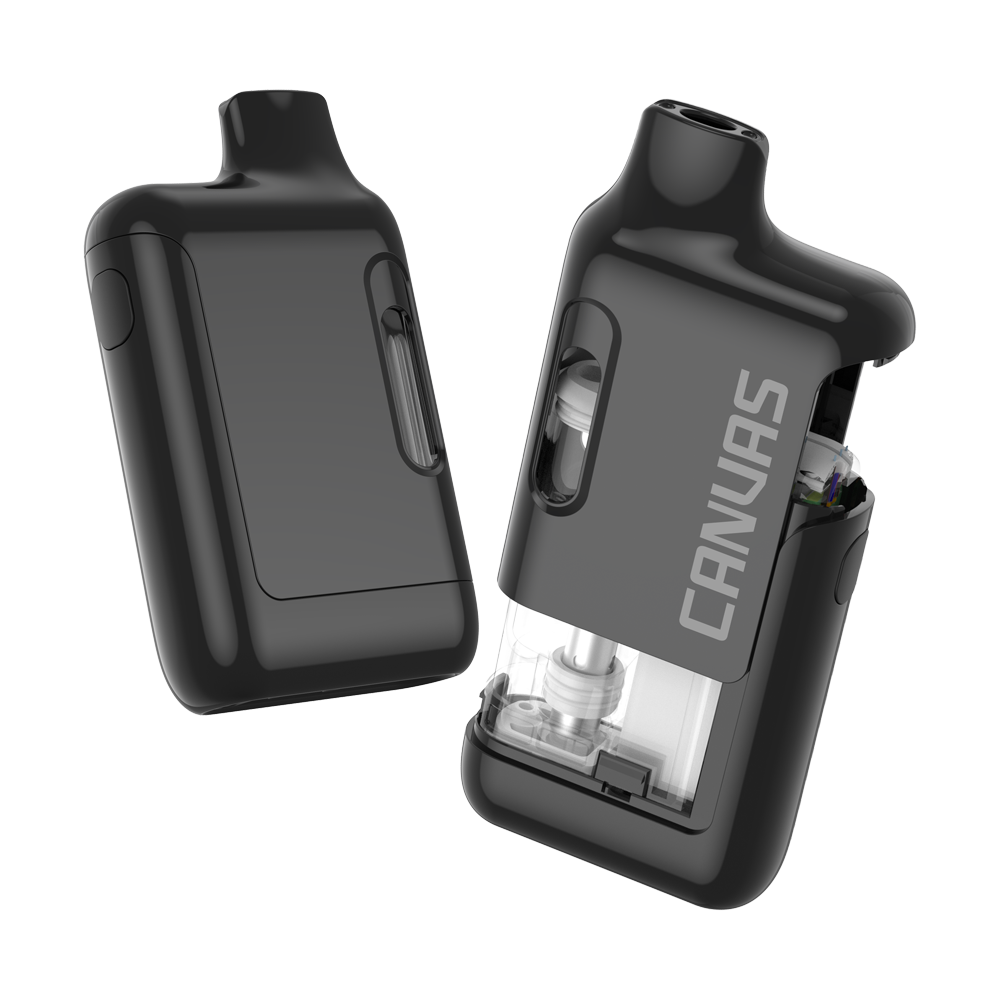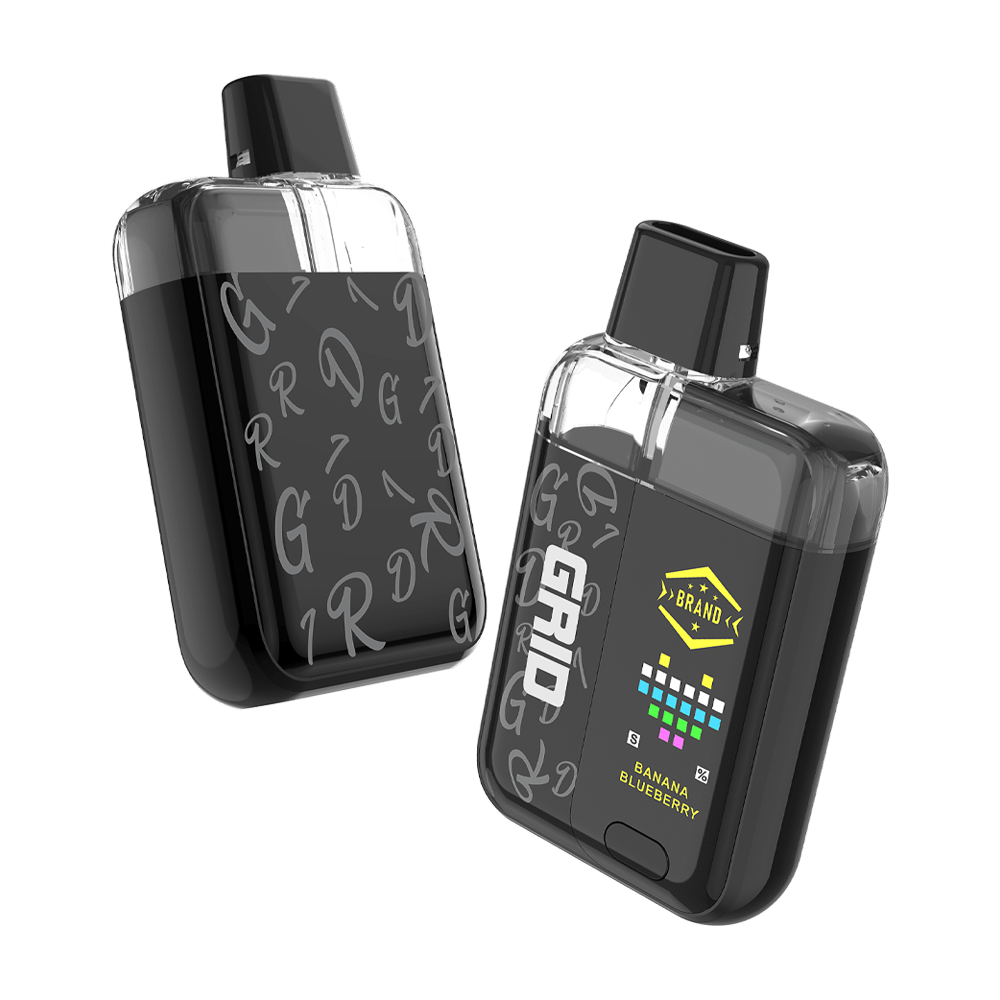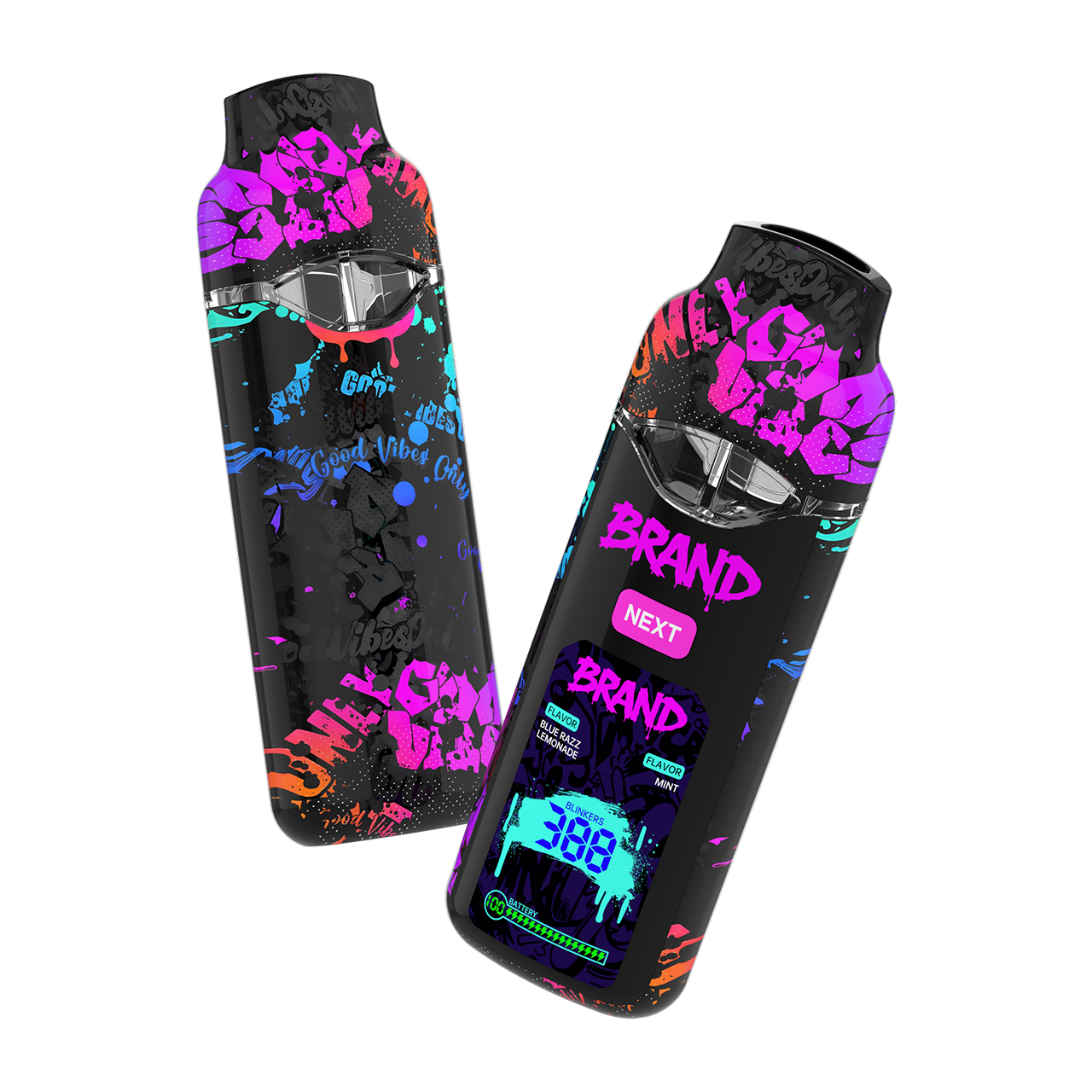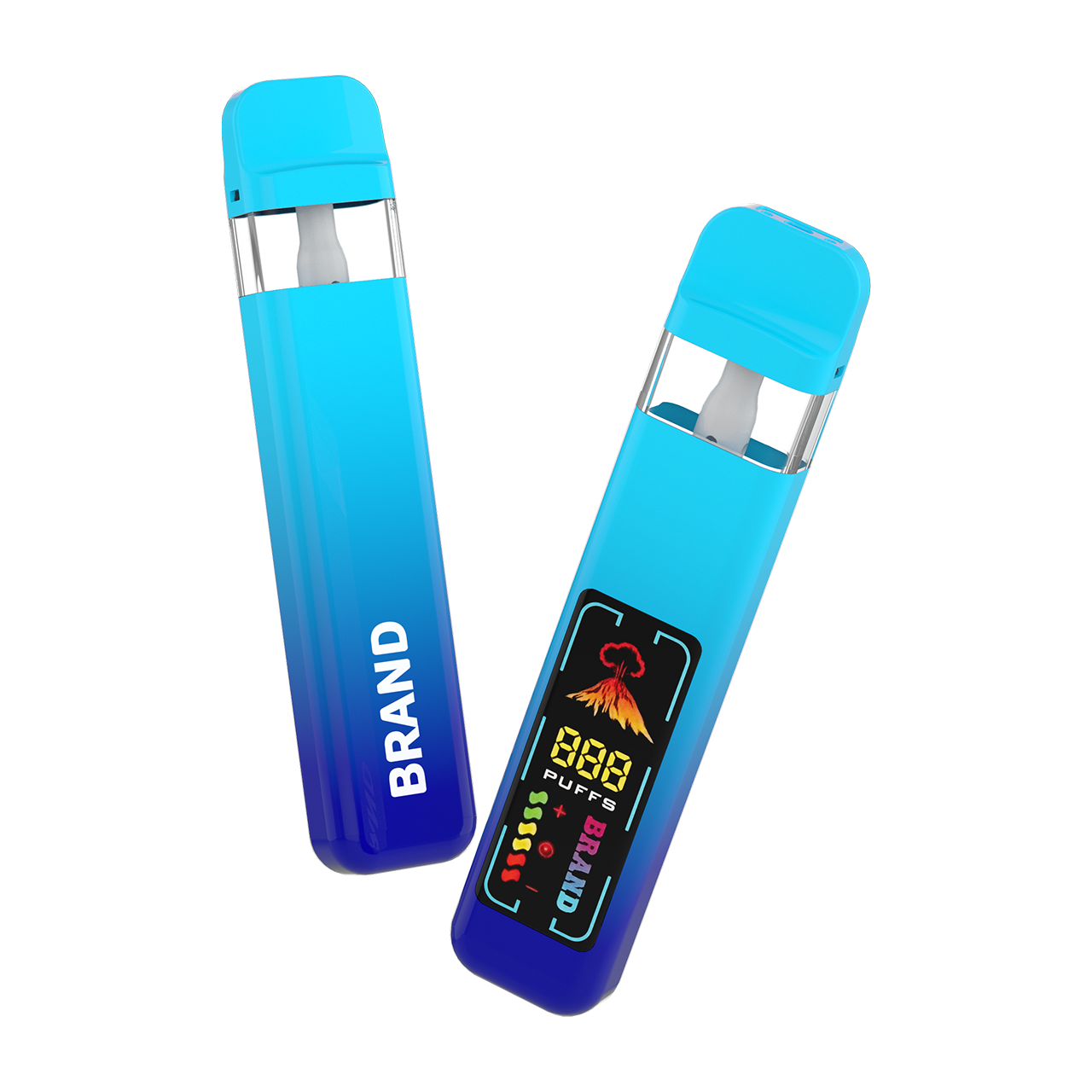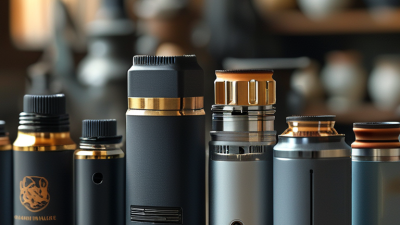
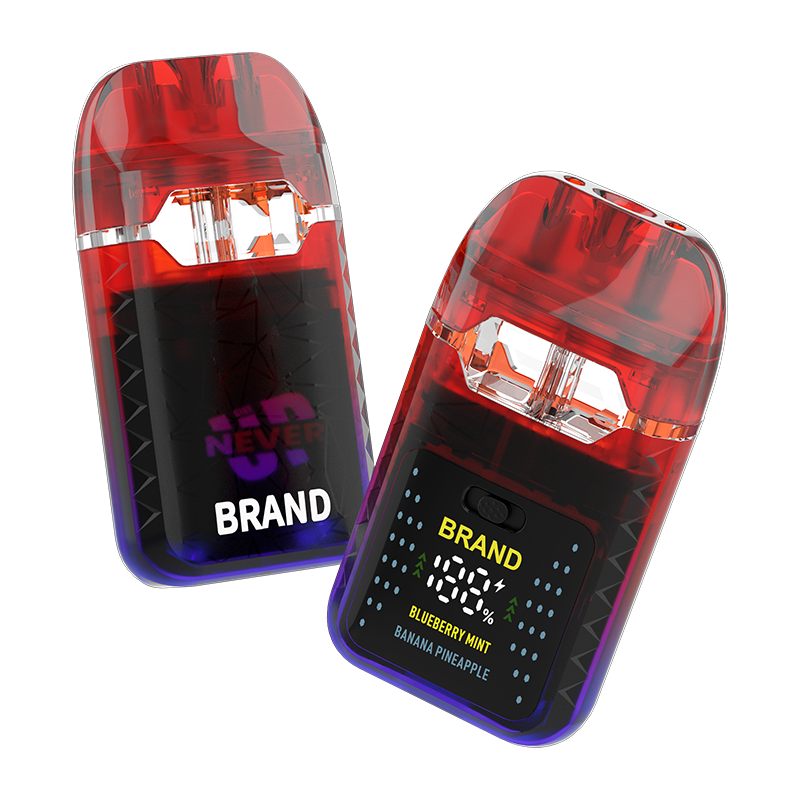
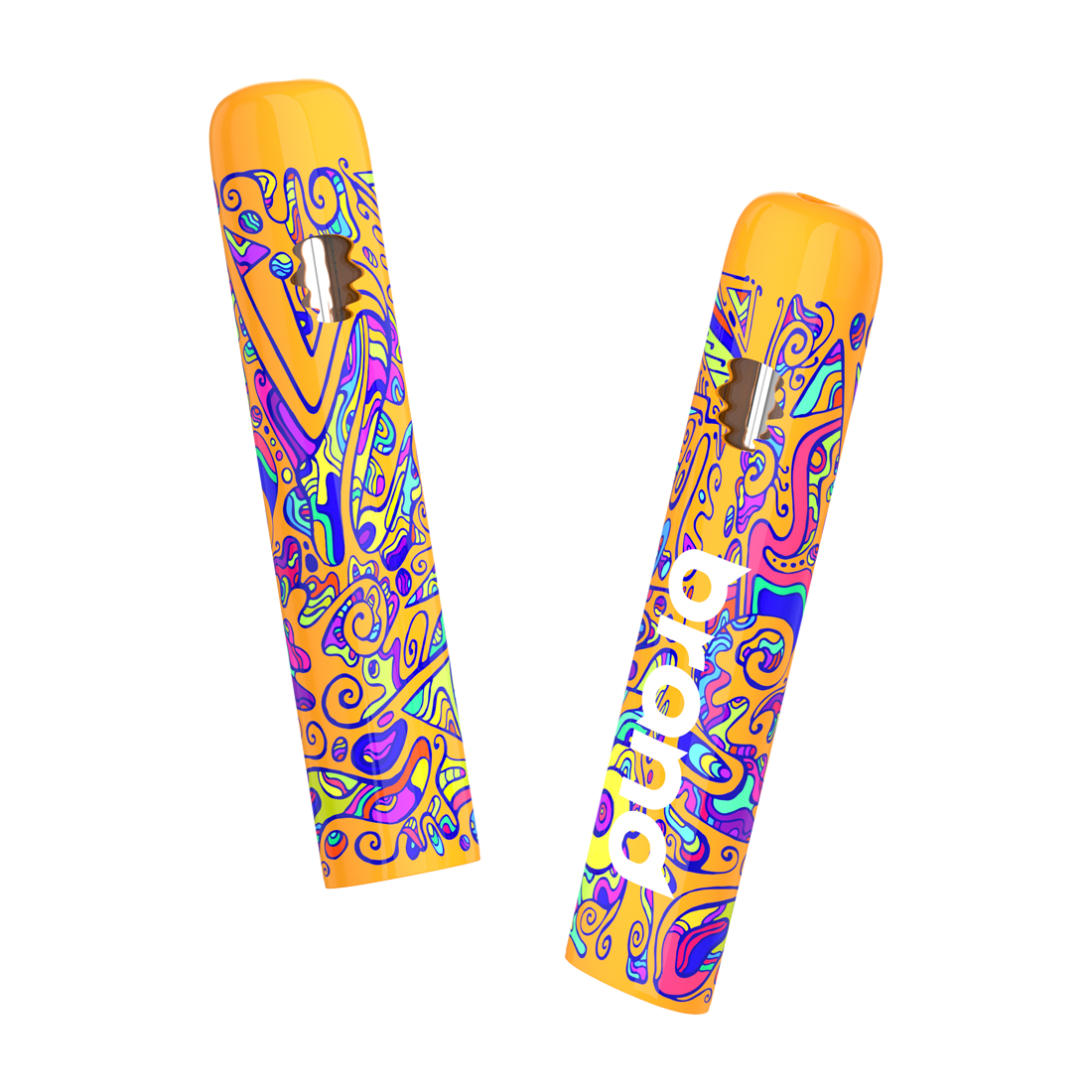
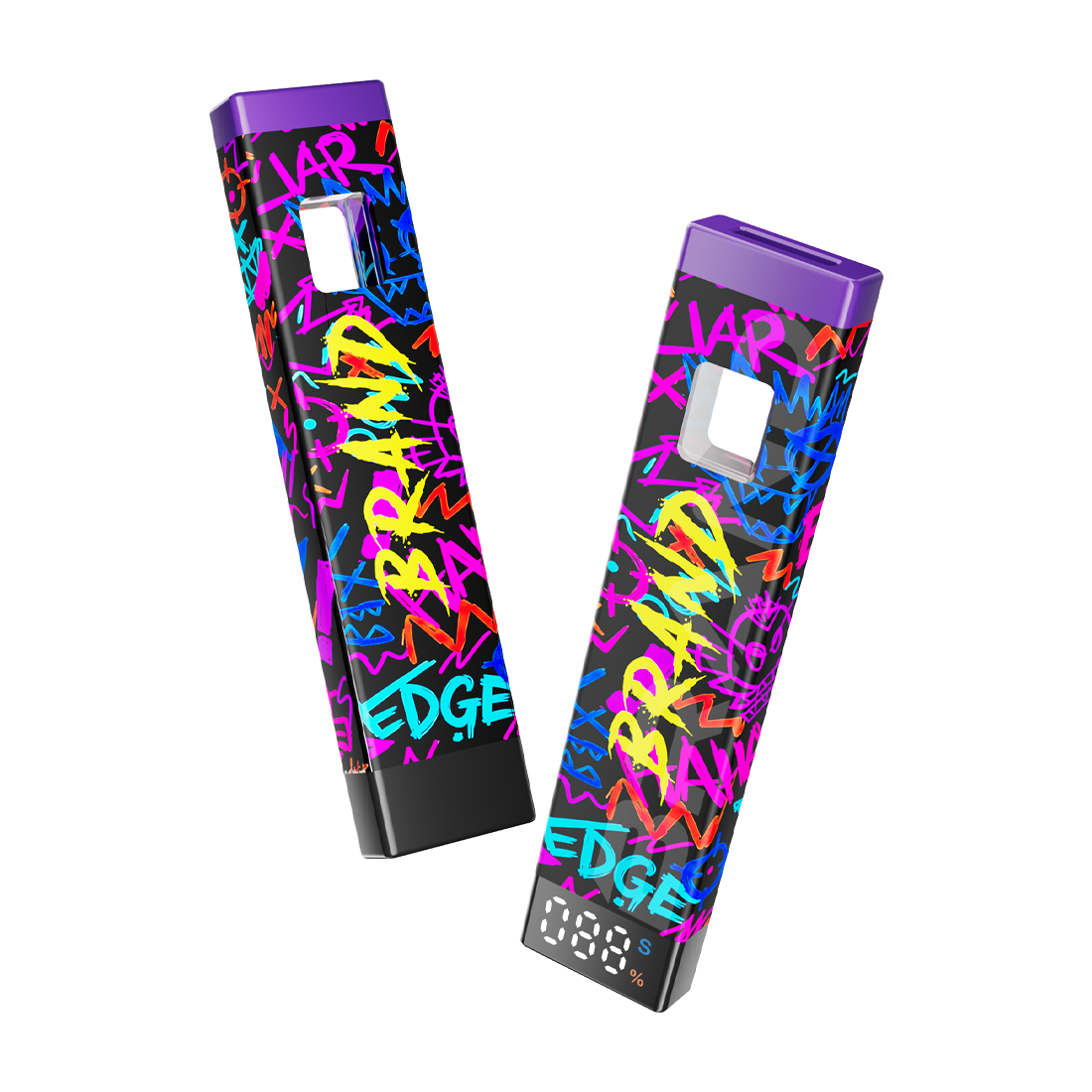
Picking the right vape manufacturer in China isn't just about comparing prices or looking at shiny product photos. For global buyers, it’s really about finding dependable production, clear documentation, quick communication, and responsible quality control. When people talk about 'vape China,' it actually covers a pretty wide range of manufacturers—from sleek design studios in Shenzhen to big factories that serve regulated adult markets.
Li Wei, an industry sourcing consultant, sums it up nicely: “Reliable suppliers show their quality in records, not just in promises.” That’s a point worth remembering. A trustworthy manufacturer should be ready to explain how they control batteries, test e-liquids, track device components, handle packaging, and run pre-shipment inspections. And yeah, you should do your own homework on market standards too. Certifications can help boost your confidence, but don’t rely on them alone—always verify.
Some factories might send over cool samples that catch your eye, but that doesn’t mean their production can stay consistent after your first order. That’s something you definitely want to watch out for. Smart vape from China products might include app features, screens, sensors, and adjustable options—but fancy tech doesn’t automatically mean they’re reliable. It’s smart to ask for actual production samples, inspection reports, warranty info, and detailed component specs. Visiting factories can also give you a good sense—things like organized storage, labeled testing stations, and staff double-checking finished devices can tell you a lot.
Honestly, no supplier is perfect.
This guide walks you through how to evaluate top China-based manufacturers based on real-world criteria—like experience, engineering skills, quality systems, responsiveness, and readiness to export. It’s not about promoting unsafe products or making medical claims. Instead, it’s here to help serious buyers ask smarter questions before making any commitments. Keep in mind, things can change, so doing your own due diligence is always essential.

China’s vape manufacturing base supports a fast-growing global category. Grand View Research valued the global vape market at US$28.17 billion in 2023. Its report also identifies product innovation and expanding adult consumer demand as major growth drivers. Behind this figure, factories operate across hardware design, battery assembly, liquid filling, and packaging. A capable vape factory China supplier should provide traceable production records, stable batch control, and clear material specifications.
Quality is visible in small details. Check connector alignment, airflow consistency, seal integrity, and battery protection testing. Ask for independent laboratory reports covering emissions, restricted substances, and electrical safety. The World Health Organization’s 2023 tobacco report emphasizes stronger product oversight, accurate disclosures, and protection from youth-oriented marketing. These points matter when products enter different regulated markets.
Factory visits can reveal more than polished catalogues. Observe cleanroom routines, sample retention, and how rejected components are handled. Request production samples from separate batches. One perfect sample proves very little. ISO-based quality systems may improve consistency, but certificates alone cannot replace verification. Some suppliers answer quickly yet provide vague test data. That is a warning worth recording. Buyers should also confirm labeling, packaging, age controls, and market-specific requirements before signing orders. Mistakes happen, even with experienced teams. The professional response is documented correction, not quiet replacement.
When global buyers compare vape china manufacturers, capacity should mean dependable output, not a large building. Request audited monthly figures, line utilization, defect rates, and documented backup plans. Check whether a factory can repeat the same specification across three pilot batches. A 2,000-unit trial can reveal filling variation, packaging errors, and delayed quality checks. Bigger is not always safer.
R&D deserves a separate score. Look for engineers who test airflow, heating consistency, battery protection, leakage, and material compatibility. Ask for dated test records, sample revisions, and independent laboratory reports. A serious team explains failures clearly. It does not hide behind polished samples. Buyers should inspect how feedback becomes a controlled engineering change. That process is often more valuable than a flashy prototype.
Compliance must carry the highest weight. Verify factory licenses, quality systems, traceability, age-restriction requirements, labeling controls, and destination-country documentation. Confirm that test reports match the exact model, battery, and formulation. Review recall procedures and supplier records. An on-site audit helps, but paperwork can still be incomplete. No ranking is perfect; use scored evidence, not friendly promises. Keep purchase decisions within applicable laws and approved adult markets.
A useful comparison starts with scale, not slogans. Two leading Chinese vapor-device manufacturers reported contrasting 2023 results in their annual filings. One recorded approximately RMB10.2 billion in revenue, while the other reported about US$625 million. These figures show substantial manufacturing capacity, but they are not directly comparable. Currency, product mix, and reporting periods can distort the picture.
Patent depth offers a sharper operational clue. Public filings from both companies describe thousands of granted and pending patents across heating systems, airflow control, batteries, and automated production. WIPO’s 2024 World Intellectual Property Indicators report recorded 69,610 international patent applications from China in 2023. That national figure does not prove product quality. Still, it reflects a strong research environment for export-oriented manufacturers.
Annual reports also reveal pressure behind the scale. Recent disclosures show uneven quarterly demand, inventory adjustments, and continuing investment in compliance systems. One company reported improving profitability, while the other remained more dependent on market recovery and channel efficiency. These details matter to global buyers choosing a contract partner. Factory visits should verify patent ownership, testing records, production yield, and after-sales capacity. Paper claims can age badly. Industry estimates from Grand View Research and Euromonitor likewise indicate continued market growth, but their forecasts vary widely by region and regulation. That uncertainty deserves more attention than glossy rankings.
China’s leading vape manufacturers serve global buyers with broad, segmented portfolios. Their ranges commonly include pod systems, refillable devices, regulated box devices, coils, tanks, and replacement batteries. According to Grand View Research, the global e-cigarette market reached approximately USD 28.17 billion in 2023. That growth increases pressure for stable production and traceable documentation.
Certification records deserve closer inspection. Export-ready devices may carry CE, RoHS, FCC, UKCA, UN38.3, or IEC 62133-2 documentation, depending on the destination and product type. ISO 9001 can indicate controlled manufacturing processes, but it does not certify every device. Buyers should request current declarations, laboratory reports, factory audit results, and battery transport documents. Check the model number carefully.
Small details matter. A certificate for one pod series may not cover another coil or charger. That mistake is surprisingly common. Reports from accredited laboratories offer stronger evidence than a logo printed on packaging. Grand View Research also projects rapid market expansion through 2030, making supplier verification more important, not less. My practical view is cautious: product variety shows manufacturing capability, but certification quality shows export readiness. Records should be checked against the destination market’s current requirements, because compliance rules and product formulas can change.
When comparing vape manufacturers in China, global buyers should treat OEM and ODM as different risk paths. OEM usually starts with an existing platform. ODM reshapes that platform around buyer specifications. This difference affects MOQ, tooling, testing, and launch timing. A practical brief should list target markets, device type, battery requirements, packaging, and permitted claims. Vague instructions create expensive revisions.
MOQ is not just a number. Ask whether it includes assembly, packaging, spare parts, and printed materials. A factory may quote 1,000 units, then require more for custom molds or color matching. Lead times should cover sampling, tooling, pilot production, mass production, and inspection. Request dated milestones and a written delay process. Reality can be messy.
Quality KPIs should include leakage rate, battery failure rate, airflow consistency, dimensional tolerance, and inspection results. Request batch records, traceability codes, and independent test reports for each destination market. Customization needs approved samples, controlled artwork, and change logs. I would also audit corrective-action responses, not just polished samples. A beautiful prototype proves little. Some suppliers communicate well but document poorly. That weakness deserves attention. Verify age-related packaging and required warnings under local law before shipment. Performance claims should remain evidence-based, even when sales teams request stronger wording.
| Anonymous Manufacturer Profile | Typical Product Scope | OEM MOQ | ODM MOQ | Sample Lead Time | Mass-Production Lead Time | Target First-Pass Yield | Typical AQL Practice | Battery & Safety Controls | Customization Capability | Best Fit for Global Buyers |
|---|---|---|---|---|---|---|---|---|---|---|
| Profile A High-volume pod specialist |
Closed-system pod devices, rechargeable pods, compact draw-activated hardware | 10,000–30,000 units | 30,000–100,000 units | 7–12 working days | 35–50 calendar days | ≥98% | General inspection commonly based on ISO 2859-1 sampling; critical defects normally require zero acceptance | Cell traceability, short-circuit protection, overcharge protection, over-discharge protection, and aging tests | Logo, color, mouthpiece, pod shape, airflow, packaging, firmware parameters, and flavor-compatible pod specifications | Established distributors requiring stable output and repeatable platform designs |
| Profile B Flexible mid-volume OEM |
Disposable and rechargeable devices, adjustable-airflow products, private-label starter kits | 5,000–15,000 units | 15,000–50,000 units | 10–18 working days | 30–45 calendar days | ≥97% | Typical buyer specifications include AQL 1.0–2.5 for major defects and tighter limits for functional failures | Battery capacity verification, charging-cycle checks, leakage testing, activation testing, and protective-circuit validation | Exterior housing, LED behavior, display or indicator design, coil resistance, airflow, packaging, inserts, and compliance labels | Brands testing new markets or managing several regional product variants |
| Profile C ODM platform developer |
New-generation pod platforms, high-capacity rechargeable devices, integrated display products | 10,000–20,000 units | 20,000–80,000 units | 15–25 working days | 45–70 calendar days | ≥98% | Prototype approval, engineering validation, pilot-run inspection, and final random inspection are commonly used | Electrical safety review, battery protection testing, thermal monitoring, drop testing, connector-life testing, and charger compatibility checks | Industrial design, tooling, airflow system, user interface, display, firmware, battery configuration, pod architecture, and packaging | Global buyers seeking differentiated products and longer product life cycles |
| Profile D Cost-focused high-output supplier |
Standard disposable devices, basic draw-activated products, value-oriented private-label lines | 20,000–50,000 units | 50,000–150,000 units | 5–10 working days | 25–40 calendar days | ≥96% | Buyer-defined sampling plans are commonly required; inspection scope should explicitly include leakage and activation consistency | Basic battery screening, resistance checks, leakage checks, charging or activation safety tests where applicable | Logo, color, outer shell, packaging, label language, flavor or variant coding, and standard platform configuration | Price-sensitive buyers with proven designs and predictable demand forecasts |
| Profile E Compliance-oriented export supplier |
Reusable pod systems, regulated-market private-label devices, export-ready accessory bundles | 5,000–10,000 units | 10,000–30,000 units | 10–20 working days | 35–55 calendar days | ≥98% | Documented incoming, in-process, and outgoing inspections with buyer-approved acceptance criteria | UN 38.3 documentation for applicable lithium batteries, transport documentation, charger checks, protection-circuit testing, and traceability records | Localized labels, manuals, packaging, device appearance, software settings, certification support, and market-specific documentation | Importers that prioritize documentation, auditability, and multi-market compliance preparation |
| Profile F Premium design and engineering partner |
Premium rechargeable devices, advanced pod systems, compact electronics with enhanced user interfaces | 3,000–10,000 units | 10,000–30,000 units | 20–35 working days | 50–80 calendar days | ≥99% | Strict functional testing, engineering change control, pilot-run approval, and final inspection against golden samples | Battery characterization, thermal and charging validation, drop and vibration testing, water-resistance testing where designed, and component traceability | Full industrial design, tooling, materials, display interface, firmware, airflow, battery system, accessories, packaging, and user documentation | Premium private-label programs where product differentiation and reliability are more important than the lowest unit cost |
| Benchmark note: The figures above are anonymized China OEM/ODM market benchmark ranges rather than company-specific claims. Actual MOQ, lead time, quality targets, testing scope, and customization availability depend on product architecture, battery configuration, tooling requirements, order forecast, packaging complexity, destination-market rules, and final buyer specifications. | ||||||||||
China’s vape manufacturing sector is shaped by GB 41700-2022, not marketing claims. The standard covers device safety, materials, emissions, labeling, and technical requirements. It also limits nicotine concentration to 20 mg/mL. This cap applies to products manufactured for the Chinese market and does not replace destination-country rules.
In practical supplier reviews, buyers should request a current test report, ingredient list, batch records, and Chinese-compliant packaging photos. Check the printed nicotine level carefully. A small label error can create a serious customs problem. Terms such as Cbn Vape may appear in online searches, but they do not prove product legality or compliance. Buyers must confirm that formulas contain only permitted ingredients and that no restricted substances are present. Certificates should match the exact model, formulation, and production batch.
Tips: Ask for laboratory documents before discussing large orders. Compare the report date with the factory’s production date. Confirm whether the product is intended for domestic sale or export. Do not rely on a screenshot. Request traceable files and verify them with the testing laboratory when possible. One checklist is never enough. Standards change, and supplier explanations can be incomplete. A careful buyer should review GB 41700-2022 alongside the destination market’s current requirements.
For global buyers, a capable Chinese manufacturer must prove compliance, not only production speed. Under the EU Tobacco Products Directive, applicable nicotine products generally face limits on strength, tank capacity, and refill volume. Notifications may also require six months before market entry. In the United States, every covered electronic nicotine product needs FDA marketing authorization through the PMTA pathway. A Cbd Vape product may involve additional rules, so buyers should verify each destination separately. The U.S. CDC reported that about 1.63 million middle and high school students used e-cigarettes in 2024. This scrutiny makes child-resistant packaging, ingredient control, and responsible documentation essential.
Testing should be independent and repeatable. Request ISO/IEC 17025 laboratory reports for nicotine accuracy, emissions, heavy metals, solvents, and microbial limits. Keep the report linked to a specific batch. The EU Commission’s Safety Gate reports continue to show that chemical and product-safety failures remain common in consumer goods. A certificate alone is not enough. A factory audit should trace one finished unit back to its coil, battery, liquid batch, and packing date. Digital records help, but weak supplier updates can still create blind spots.
Tips: Ask for the PMTA strategy, EU submission evidence, full test methods, and a sample traceability file. Check whether the factory controls critical components or merely assembles them. Inspect carton warnings and QR codes physically. A polished showroom proves little. I would also repeat random testing after shipment, because specifications can drift.
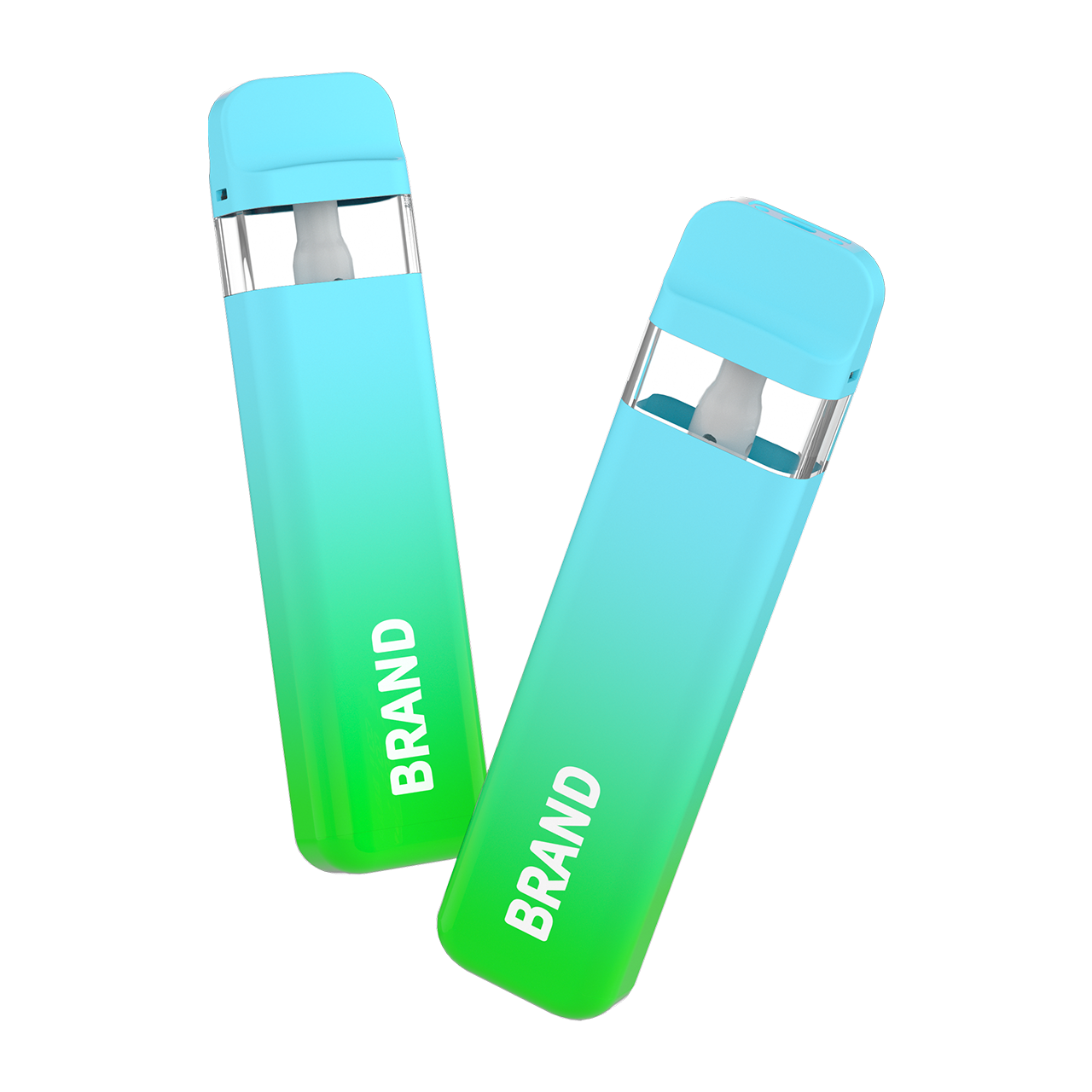
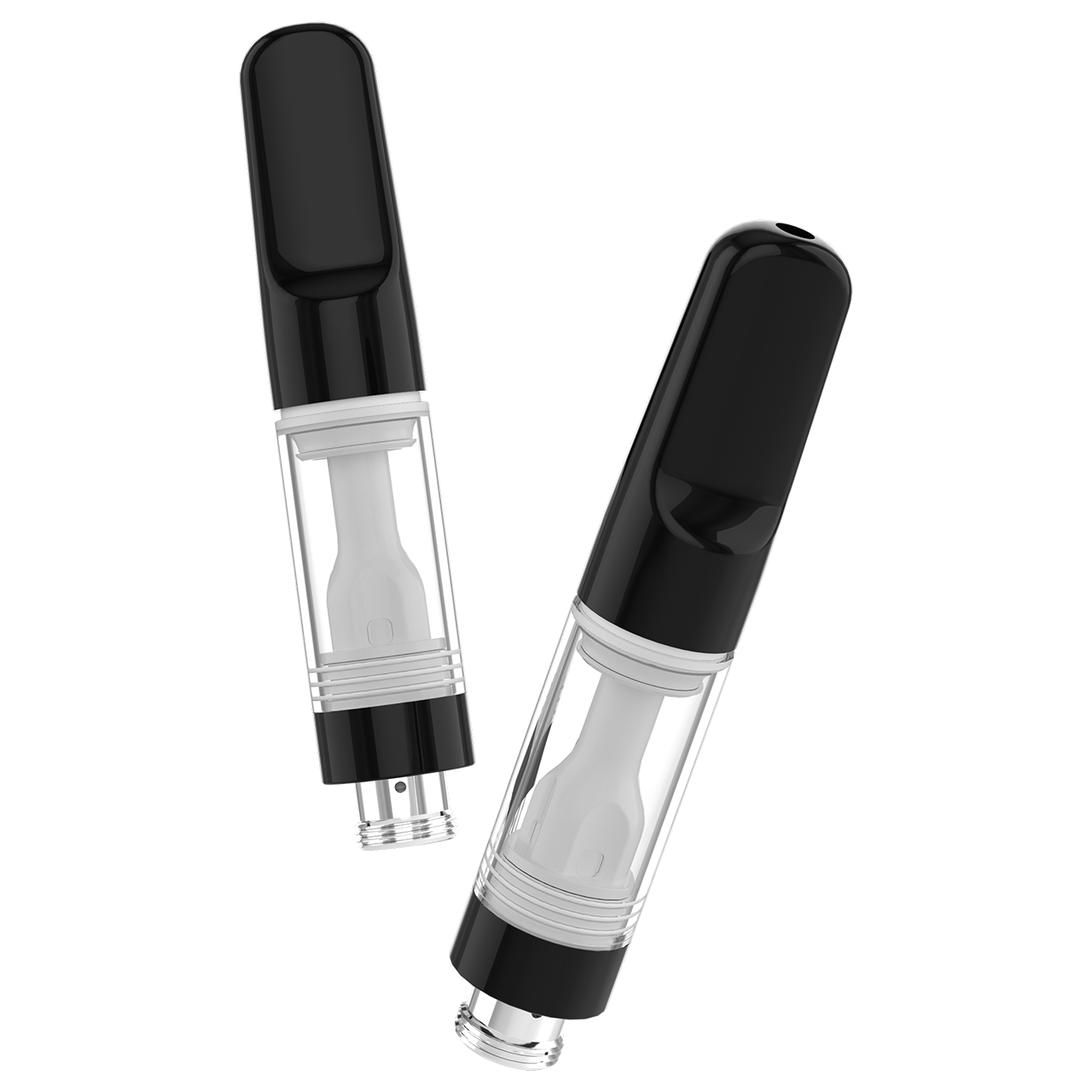
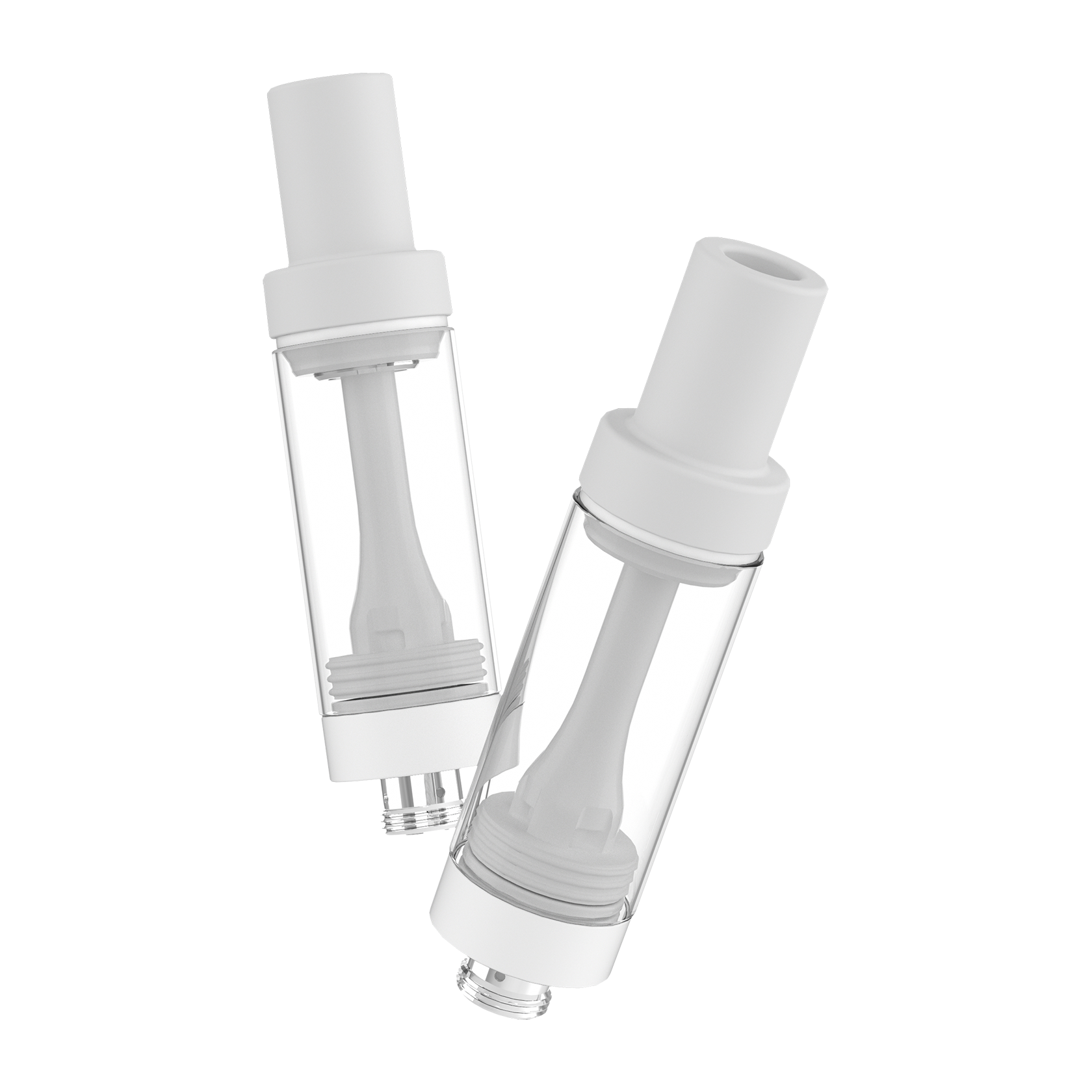
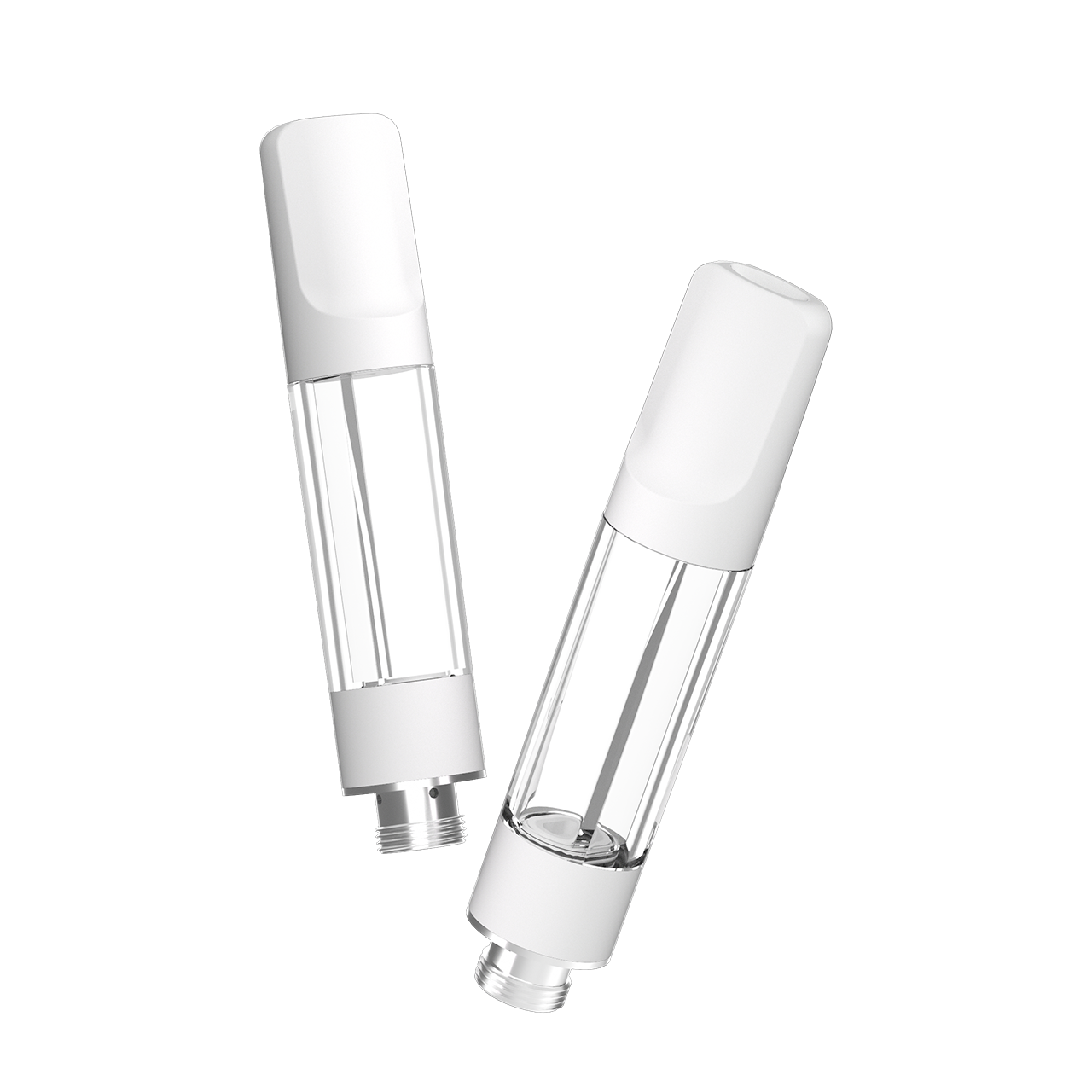
The AIR 1 ml ceramic disposable hardware is designed for brands and dispensaries seeking a compact, empty device for regulated cannabinoid oil applications. Its all-in-one structure supports convenient filling with compatible CBD or other legally approved oil formulations, while the ceramic heating system is engineered to provide smooth, consistent vapor delivery for thicker liquids. A lightweight, discreet profile makes the device practical for portable use without adding unnecessary complexity.
From a design and production perspective, quality depends on material selection, airflow control, heating consistency, and reliable oil containment. Ceramic components should be evaluated for even heating and clean performance, while the mouthpiece, battery, and cartridge connections require careful assembly to reduce leakage and improve user comfort. Each unit should undergo inspections for appearance, electrical function, oil compatibility, and draw performance before shipment. Custom options may include surface finishes, packaging, mouthpiece styles, and filling specifications, subject to applicable safety and regulatory requirements.
Start with revenue, factory scale, and product mix. Reported figures may use different currencies and periods. Scale helps, but it proves little alone.
Patents can reveal investment in heating systems, airflow control, batteries, and automation. They do not prove product quality. Request ownership records and confirm coverage for the exact device.
Request current declarations, laboratory reports, factory audits, and battery transport documents. Check every model number carefully. One certificate may not cover a different charger or coil.
OEM usually adapts an existing platform. ODM changes the platform around your specifications. That difference affects tooling, testing, minimum orders, and launch dates.
Confirm whether the quantity includes assembly, packaging, spare parts, and printed materials. Custom colors or molds may require larger quantities. The headline number can mislead.
Ask for dated milestones covering samples, tooling, pilot production, mass production, and inspection. Request a written process for delays. Reality gets messy.
Track leakage, battery failures, airflow consistency, dimensional tolerance, and inspection results. Request batch records and traceability codes. A polished prototype proves little.
Match certificates and test reports with the destination market’s current requirements. Verify warnings, age-related packaging, battery documents, and product claims. Rules and formulas can change. I would recheck everything.
China has become a major manufacturing hub for the global vaping industry, supported by large-scale production, engineering expertise, and established supply chains. For global buyers, the best manufacturers should be evaluated through measurable factors such as production capacity, research and development investment, quality-control systems, patent ownership, certification records, and long-term operational stability. A reliable vape china partner should also offer transparent OEM/ODM services, clearly defined minimum order quantities, realistic lead times, consistent quality KPIs, and flexible customization options.
Compliance is equally important. Manufacturers serving the domestic market must understand GB 41700-2022 and applicable nicotine concentration limits, while exporters need to prepare for destination-specific requirements, including EU TPD obligations, U.S. PMTA pathways, laboratory testing, product documentation, and traceability. Before placing an order, buyers should verify factory qualifications, inspect testing records, assess sample consistency, review packaging and labeling controls, and confirm responsible age-restricted distribution practices. A structured comparison based on capacity, compliance, quality, and communication can reduce supply-chain risks and support sustainable international business.