 All in one
 AIR
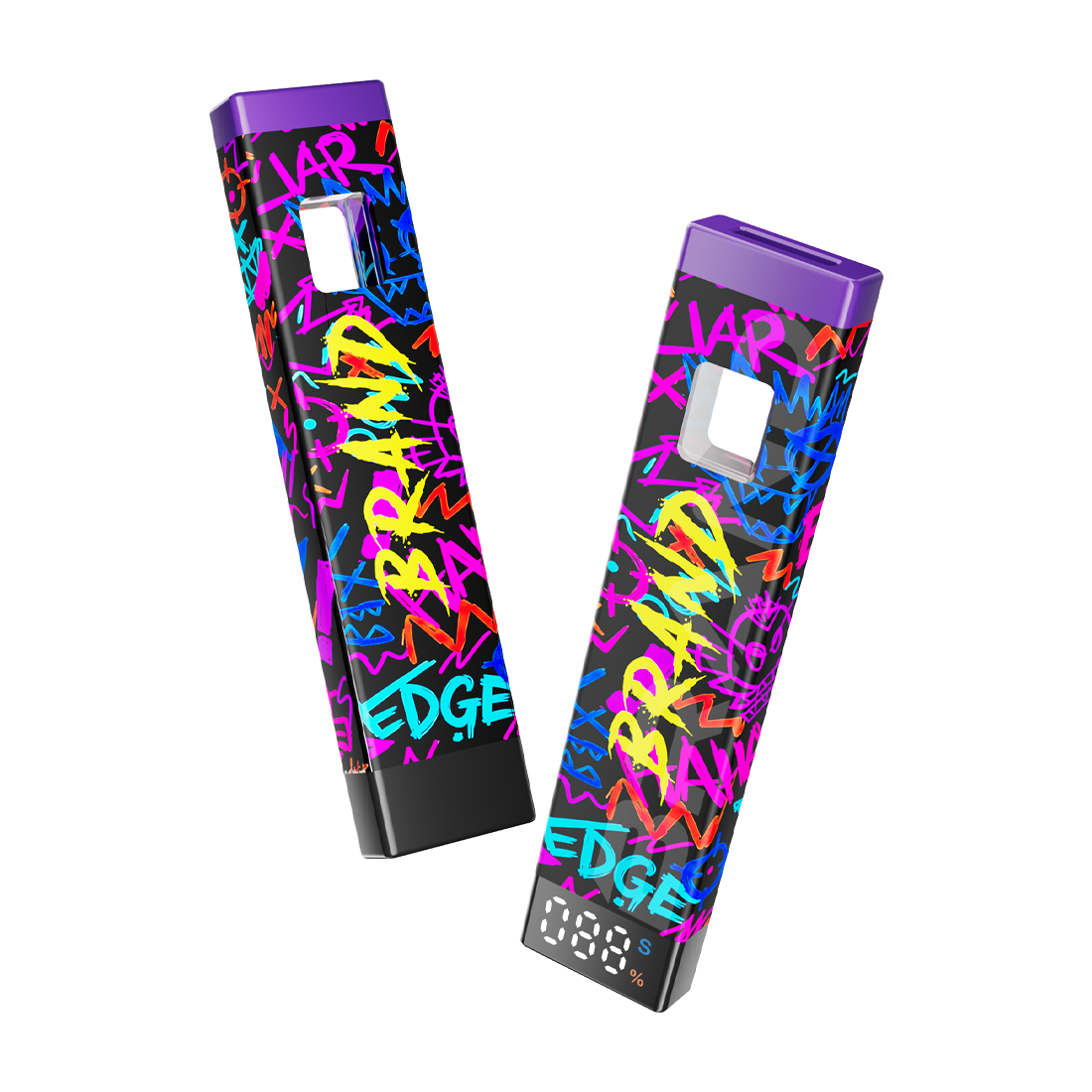 EDGE
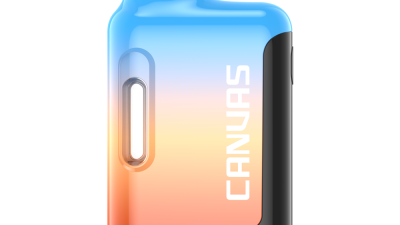
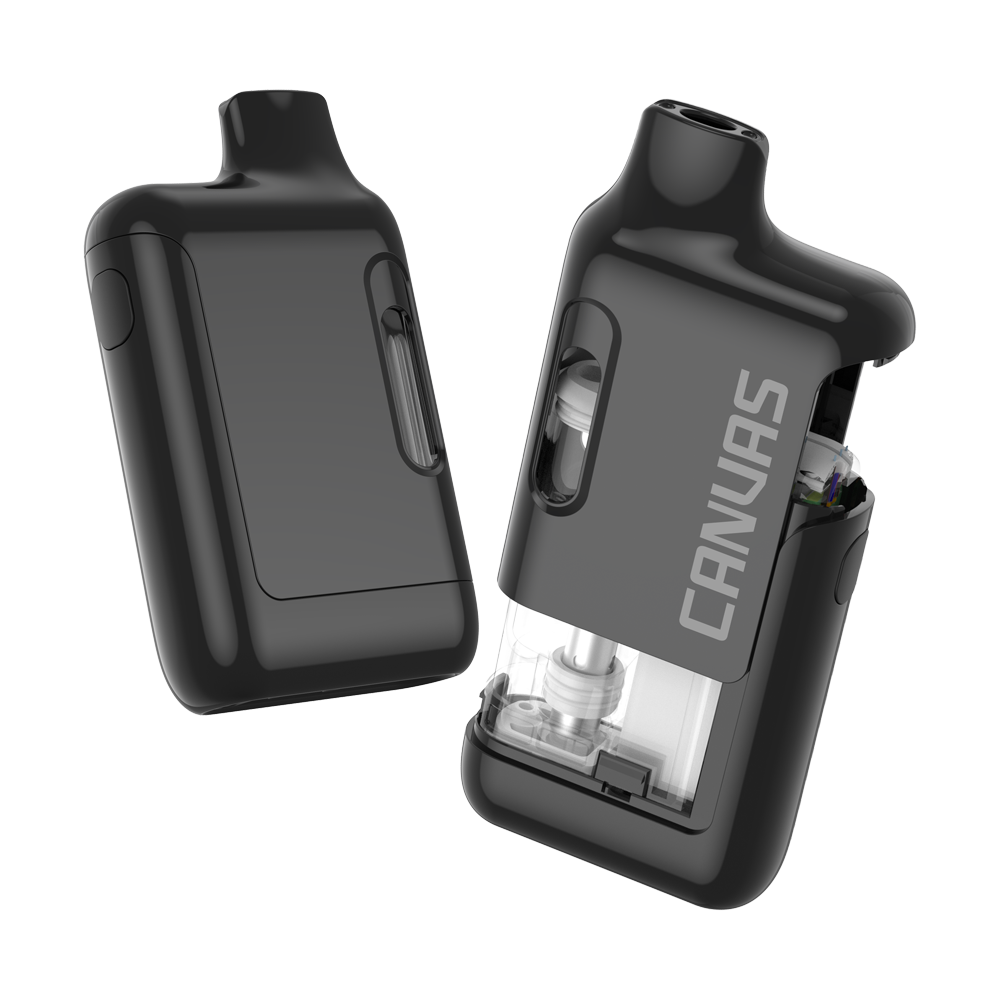 Canvas
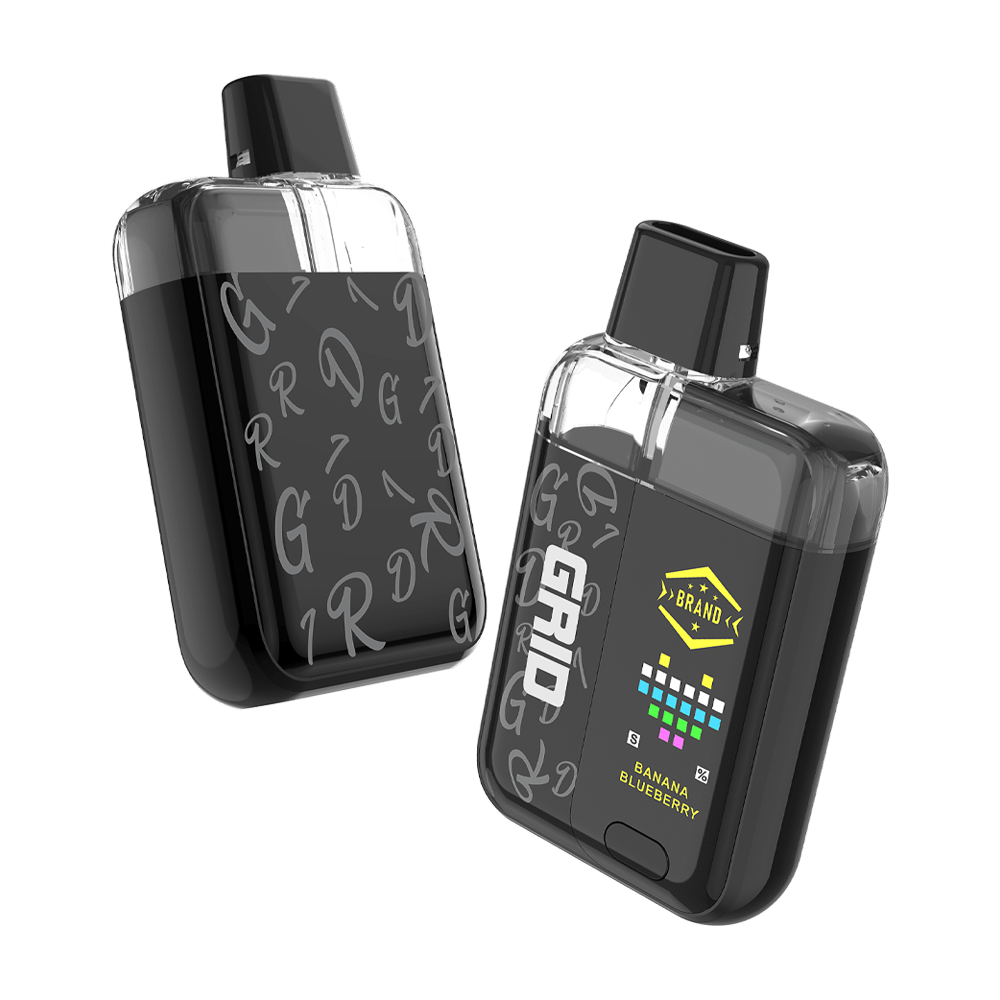 Grid
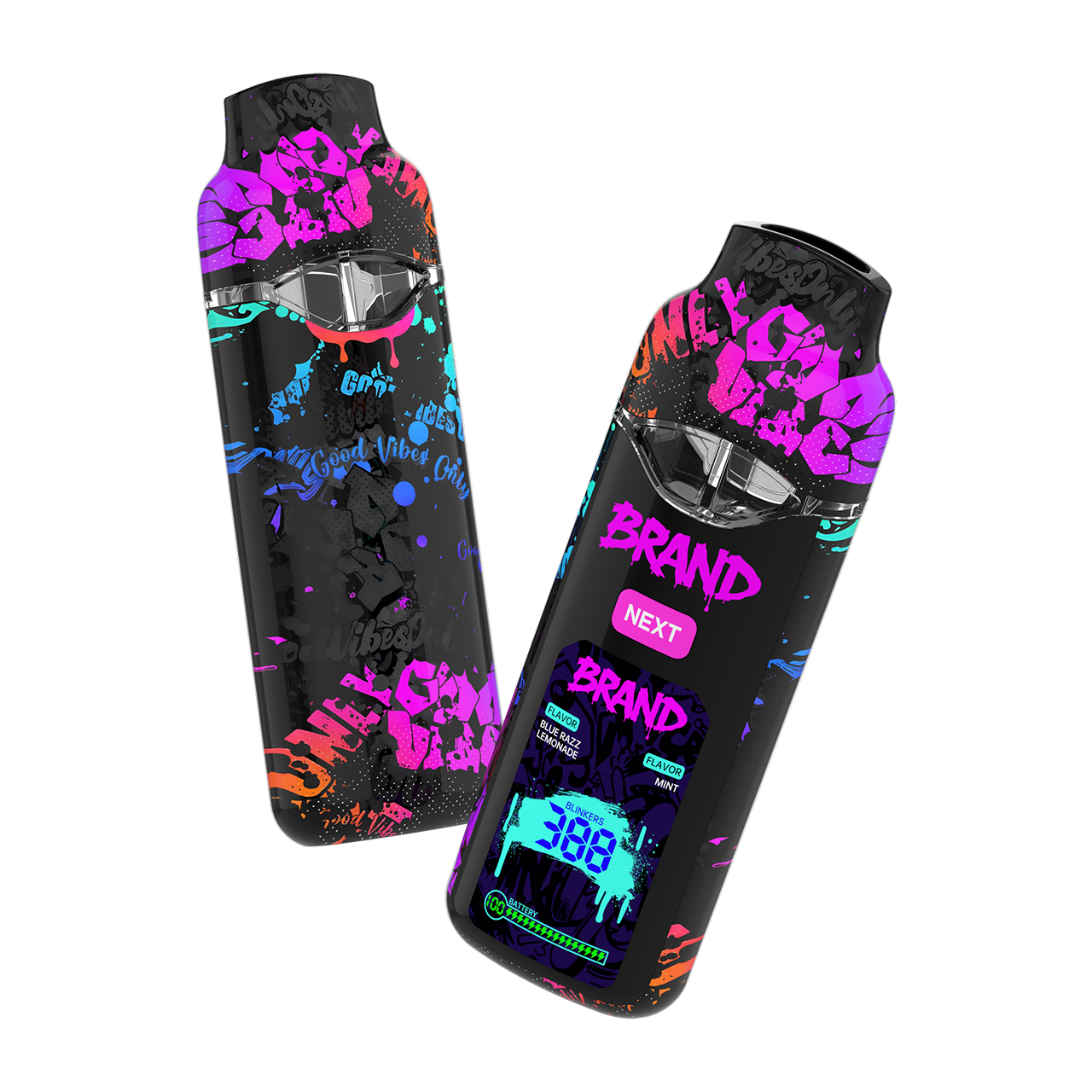 Magix Nexo
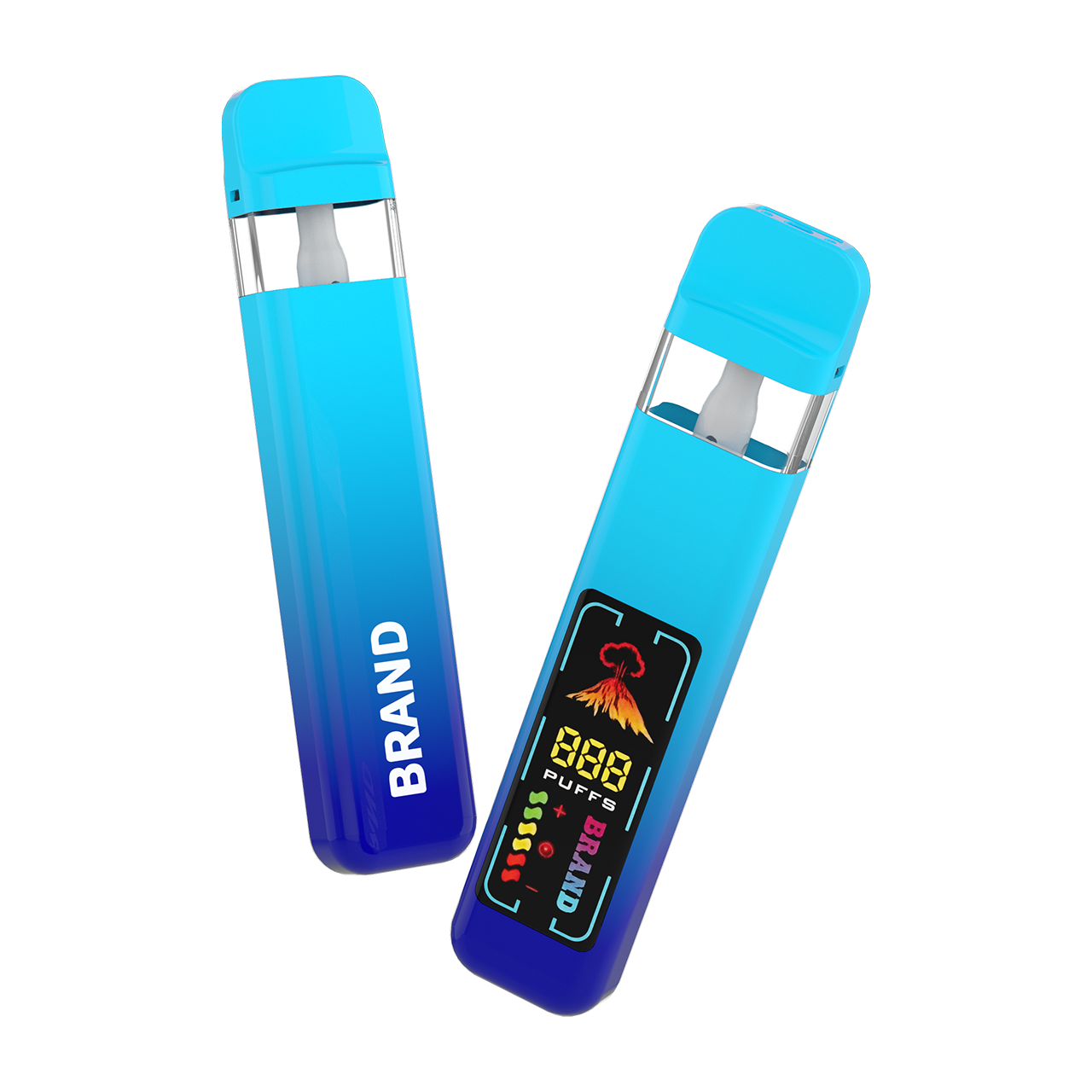 VISTA
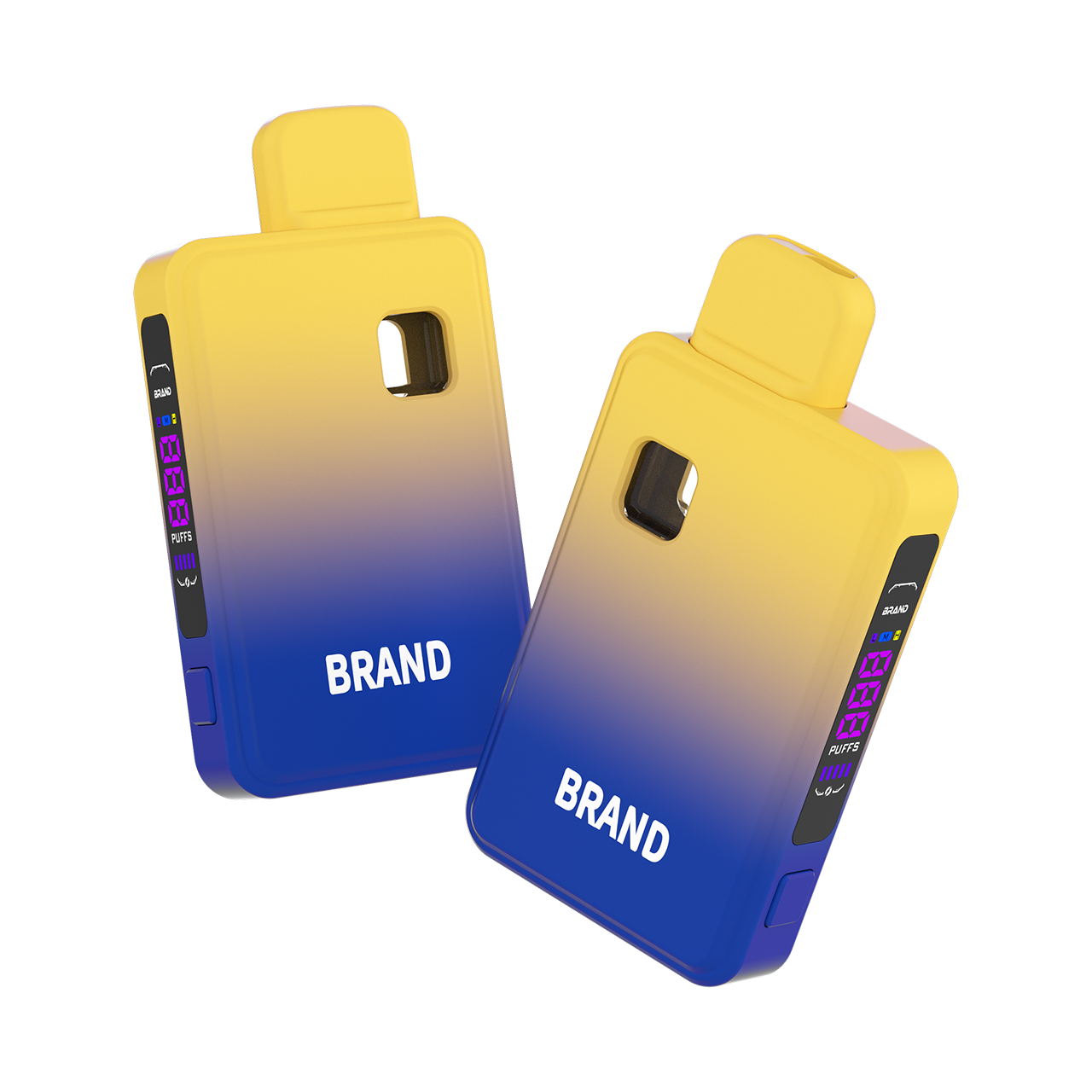 Pulse Pro
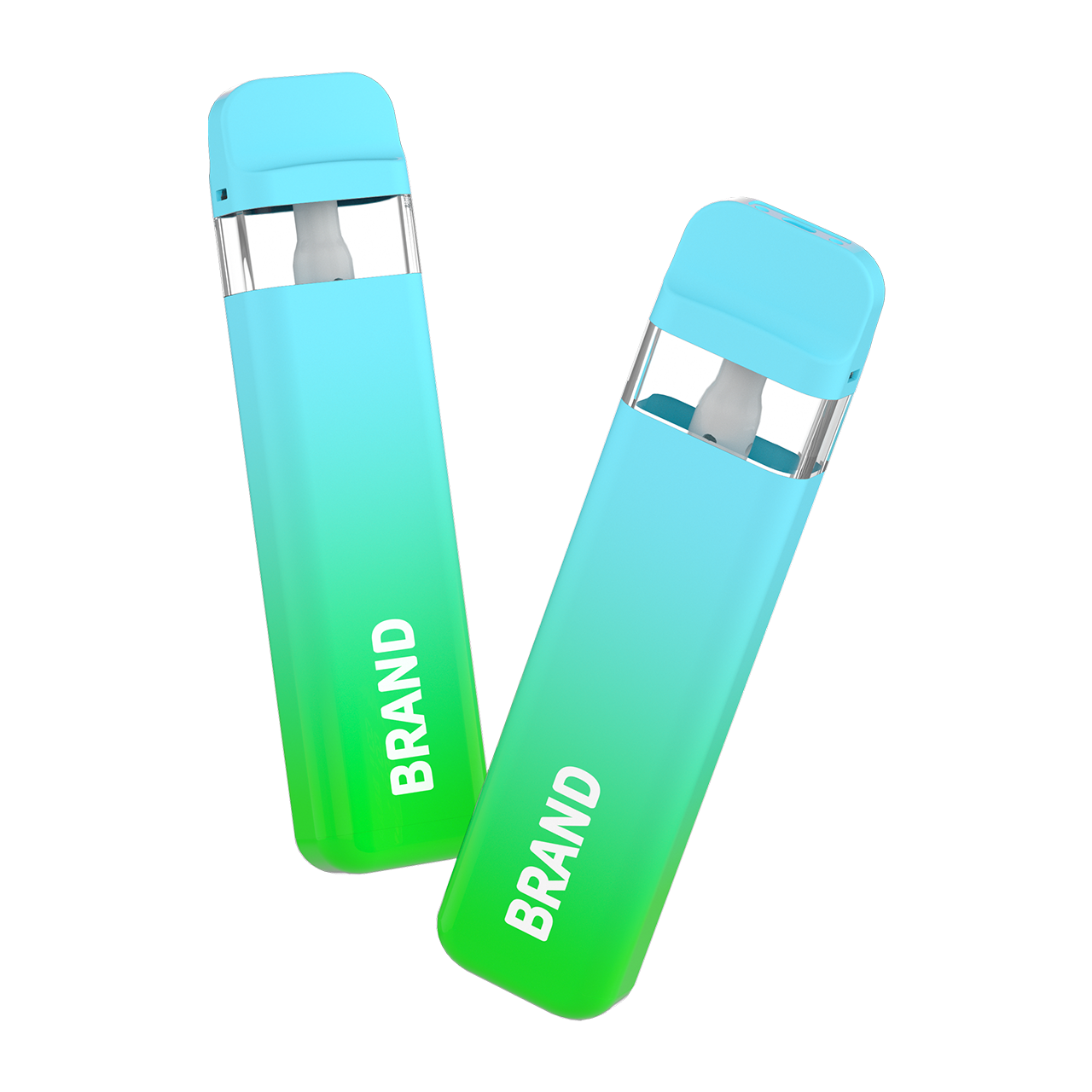 Ready S
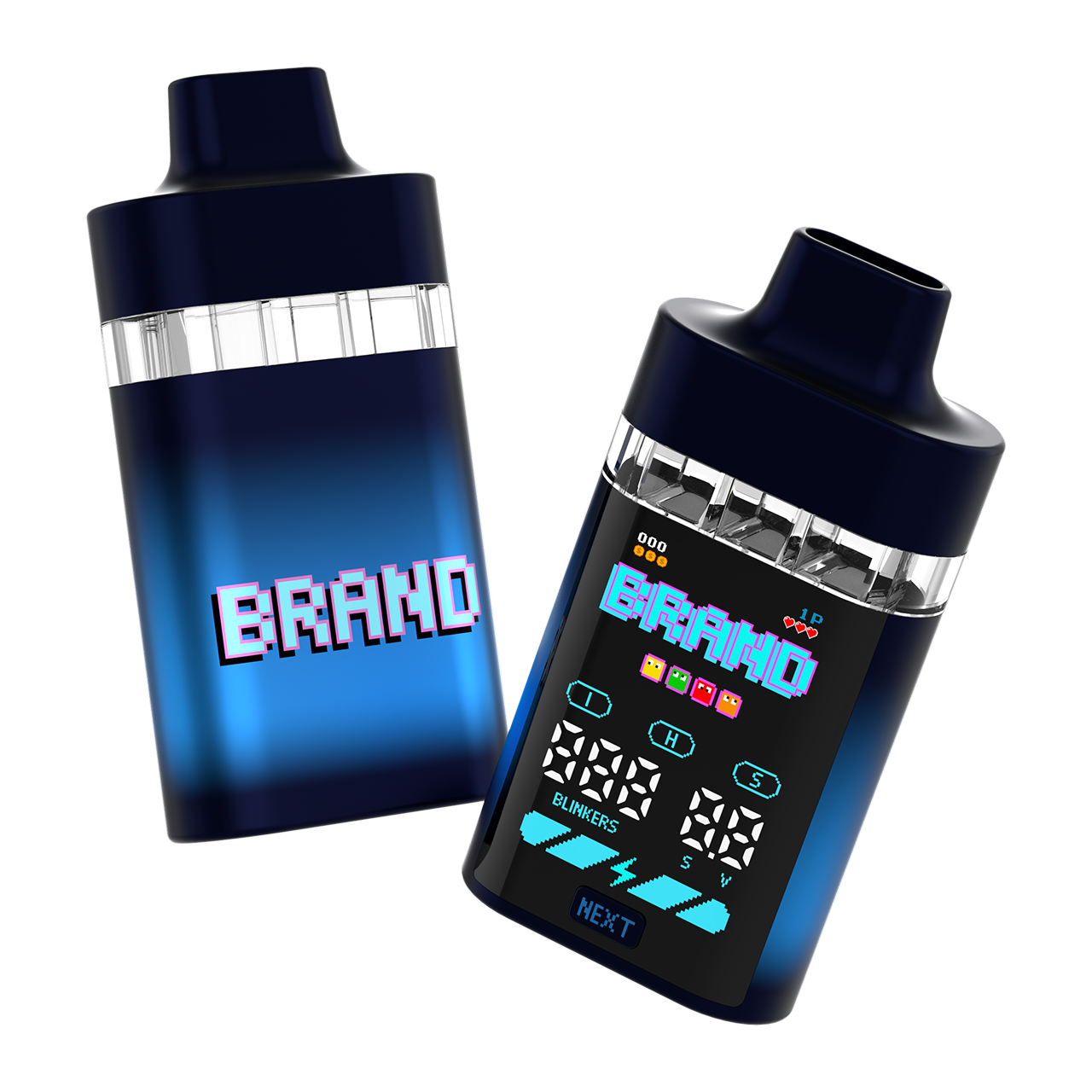 Magix Cube
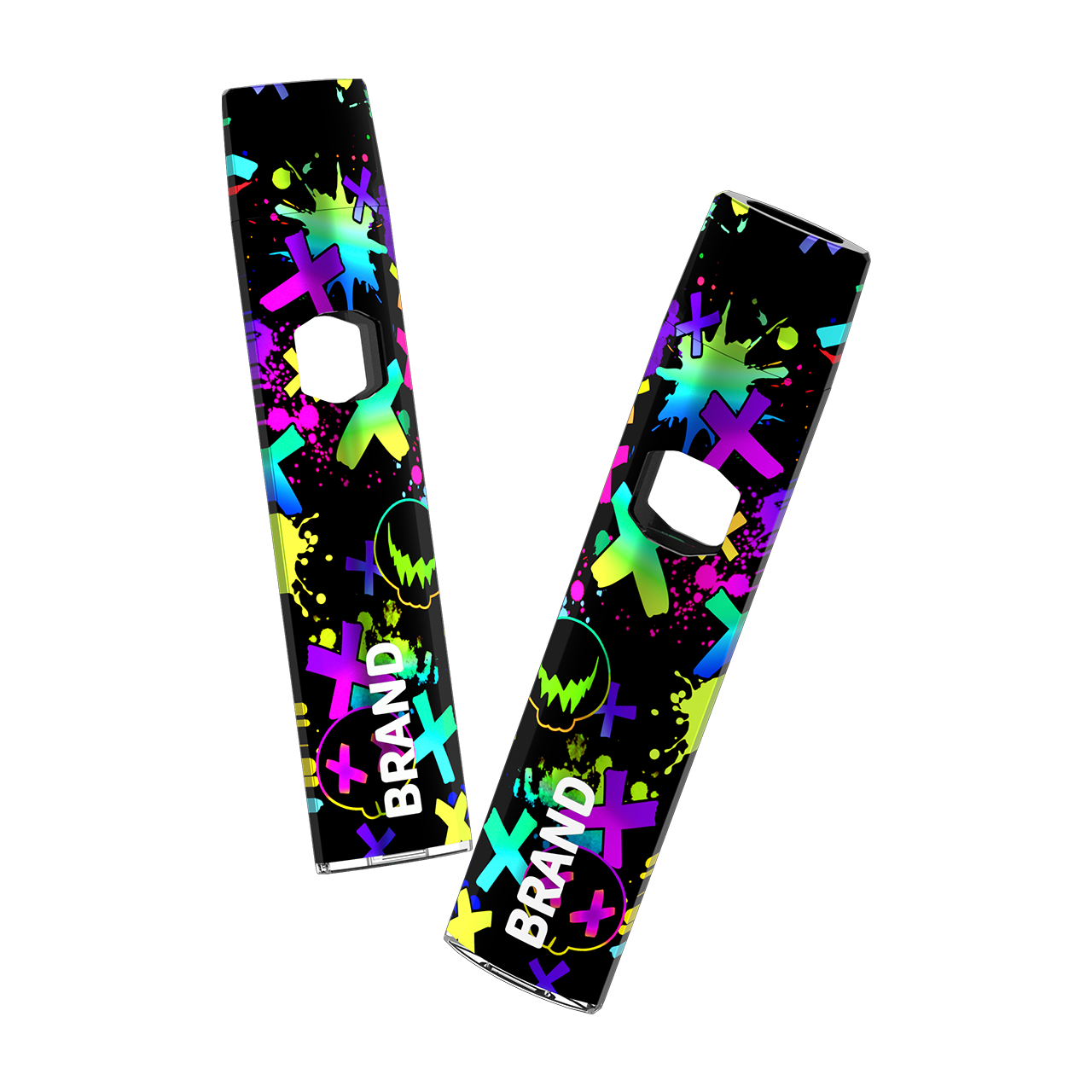 Slim
 Cartridges
 Base 2
 Core S1
 Batteries
 Vape Filter
Leave Your Message
So, how do you pick the right disposable vape type? Honestly, it starts with what the factory can actually prove—not how shiny the packaging looks. A responsible disposable vape factory should be able to show real production records, material specs, batch testing, and age-restricted market controls. It should also explain how products are designed to be sold legally in each place they're headed.
Most of the leading factory categories tend to fall into draw-activated pod devices, mesh-coil models, compact rechargeables, and high-capacity formats. Pod-style products are small and pretty straightforward. Mesh-coil designs often heat faster and give you more even vapor. Rechargeable versions might cut down on premature disposal, but they need stronger battery controls and much clearer user instructions. Bigger formats can mean longer use, yes—but they also bring bigger environmental and safety responsibilities.
“Consistency matters more than novelty when manufacturing regulated consumer devices,” says Dr. Elena Morris, an independent product-compliance consultant. And her point is practical. A factory might show off impressive prototypes, but repeatable quality matters way more than one lucky sample.
Look closely.
A reliable supplier should document battery protection, leak testing, airflow checks, and packaging verification. It should also refuse unclear labeling and unsupported health claims. An empty vape factory can look efficient in photos, but empty floors don't tell you much about the quality systems actually in place. Yeah, that's an uncomfortable reminder.
This guide compares factory-made types through performance, construction, compliance readiness, and real-world user experience. It doesn't assume higher capacity is automatically better. Some specs are still hard to verify without independent testing, and that limitation deserves honest attention. Regional rules change too, so buyers need to confirm current requirements before ordering or distributing anything.
Disposable Vape Categories Commonly Produced in Factories
Factory output usually falls into three practical disposable vape categories. Compact draw-activated devices use a sealed pod, small battery, and prefilled e-liquid. They are lightweight, but their limited capacity can create shorter service life. Rechargeable non-refillable devices add a charging port and larger battery. They often use mesh coils for steadier vapor delivery. A third category includes zero-nicotine sensory products, where permitted by local rules. These products still require strict labeling and age controls.
The categories are not perfectly clean. Some factories describe a rechargeable product as “disposable,” although its battery may survive several charging cycles. That wording can confuse buyers and complicate waste reporting. Factory teams normally separate models by liquid capacity, nicotine strength, coil structure, activation method, and battery chemistry. Quality checks should include leak testing, nicotine-content verification, airflow testing, and battery safety screening. I would also request batch records, not only attractive samples.
Market data explains why compact formats remain common. The CDC’s 2024 National Youth Tobacco Survey recorded about 1.63 million U.S. middle and high school students using e-cigarettes. This finding reinforces the need for responsible packaging and strict sales controls. The World Health Organization’s tobacco reporting also emphasizes that electronic nicotine products carry health risks and require regulatory oversight. Production should therefore follow the destination market’s rules, including ingredient disclosure, recycling duties, and prohibited-feature controls. Factory efficiency matters, but compliance failures can erase every manufacturing advantage.
| Disposable Vape Type | Activation Method | Battery Configuration | Typical E-Liquid Capacity | Typical Puff Range | Charging Design | Common Factory Applications |
|---|---|---|---|---|---|---|
| Standard Draw-Activated Disposable | Inhalation-activated | Single integrated lithium-ion battery | Approximately 1.5–2 mL, depending on market requirements | Approximately 400–800 puffs | Non-rechargeable | Compact, ready-to-use products with simple assembly and automated draw testing |
| High-Capacity Disposable | Inhalation-activated | Larger integrated lithium-ion battery | Approximately 5–18 mL, subject to local regulations | Approximately 1,500–7,000 puffs; actual output varies with draw length and airflow | Usually non-rechargeable in lower-capacity models; rechargeable in larger formats | Extended-use formats requiring larger reservoirs, stronger structural support, and additional quality checks |
| Rechargeable Disposable | Usually inhalation-activated; some models include a manual button | Integrated rechargeable lithium-ion battery | Approximately 2–18 mL, depending on the intended market | Approximately 600–7,000 puffs | USB-C or another specified charging interface | Products designed to use the liquid supply more completely before disposal |
| Button-Activated Disposable | Manual button activation | Integrated battery, rechargeable or non-rechargeable | Approximately 2–10 mL | Approximately 600–4,000 puffs | Depends on the battery design and target market | Products offering manual control, safety-lock functions, or adjustable operating features |
| Mesh-Coil Disposable | Usually inhalation-activated | Integrated battery sized for the coil and liquid capacity | Approximately 2–18 mL | Varies widely; commonly marketed from approximately 600 to 7,000 puffs | Rechargeable or non-rechargeable | Devices using a mesh heating element for rapid heating and consistent vapor production |
| Dual-Coil or Multi-Coil Disposable | Usually inhalation-activated | Higher-capacity integrated battery | Approximately 8–18 mL, where permitted | Approximately 3,000–7,000 puffs, depending on configuration and testing method | Generally rechargeable | Higher-output products requiring additional thermal, airflow, and battery-safety testing |
| Adjustable-Airflow Disposable | Inhalation-activated or button-activated | Typically integrated rechargeable battery | Approximately 5–18 mL | Approximately 1,500–7,000 puffs | Usually USB-C rechargeable | Products with a mechanical or adjustable airflow control for different inhalation preferences |
| Multi-Flavor or Dual-Chamber Disposable | Inhalation-activated, sometimes with a selector or switch | Integrated rechargeable battery in most larger formats | Combined capacity commonly ranges from approximately 10–20 mL, where legally permitted | Varies according to the number of chambers, coil design, and draw conditions | Usually rechargeable | Products using separate liquid chambers or flavor-selection mechanisms, requiring additional leak and switching tests |
Note: Puff counts, liquid capacity, nicotine strength, battery specifications, and charging requirements vary by device design and destination-market regulations. Actual puff performance depends on draw duration, airflow, coil resistance, power output, and testing conditions.
Modern cannabis hardware is increasingly shaped by demand for consistency, portability, and user control. Industry research from Grand View Research and Euromonitor has identified vaporizer technology as a major growth area within regulated cannabis and hemp markets, while consumer studies consistently highlight flavor quality and ease of use as key purchase factors. A premium canvas CBD/THC vape device responds to these expectations with a practical, button-operated interface and three voltage settings. Lower power can help preserve delicate flavor notes, while higher settings may provide a fuller vapor experience for compatible oil viscosities.
Its dedicated preheat function adds another layer of convenience. By gently warming the oil before activation, the device helps improve flow, reduce clogging, and prepare the heating chamber for a smoother draw. This is particularly useful when oils become thicker in cooler conditions. The ceramic heating core is designed to distribute heat evenly across the oil, supporting a clean, consistent vapor profile and minimizing the risk of burnt-tasting residue. Ceramic systems are widely valued in hardware evaluations for their thermal stability and ability to protect terpene character when used with properly formulated, compliant products.
Together, adjustable voltage, controlled preheating, and ceramic heating technology create a more predictable experience for adult consumers using products legally available in their region.
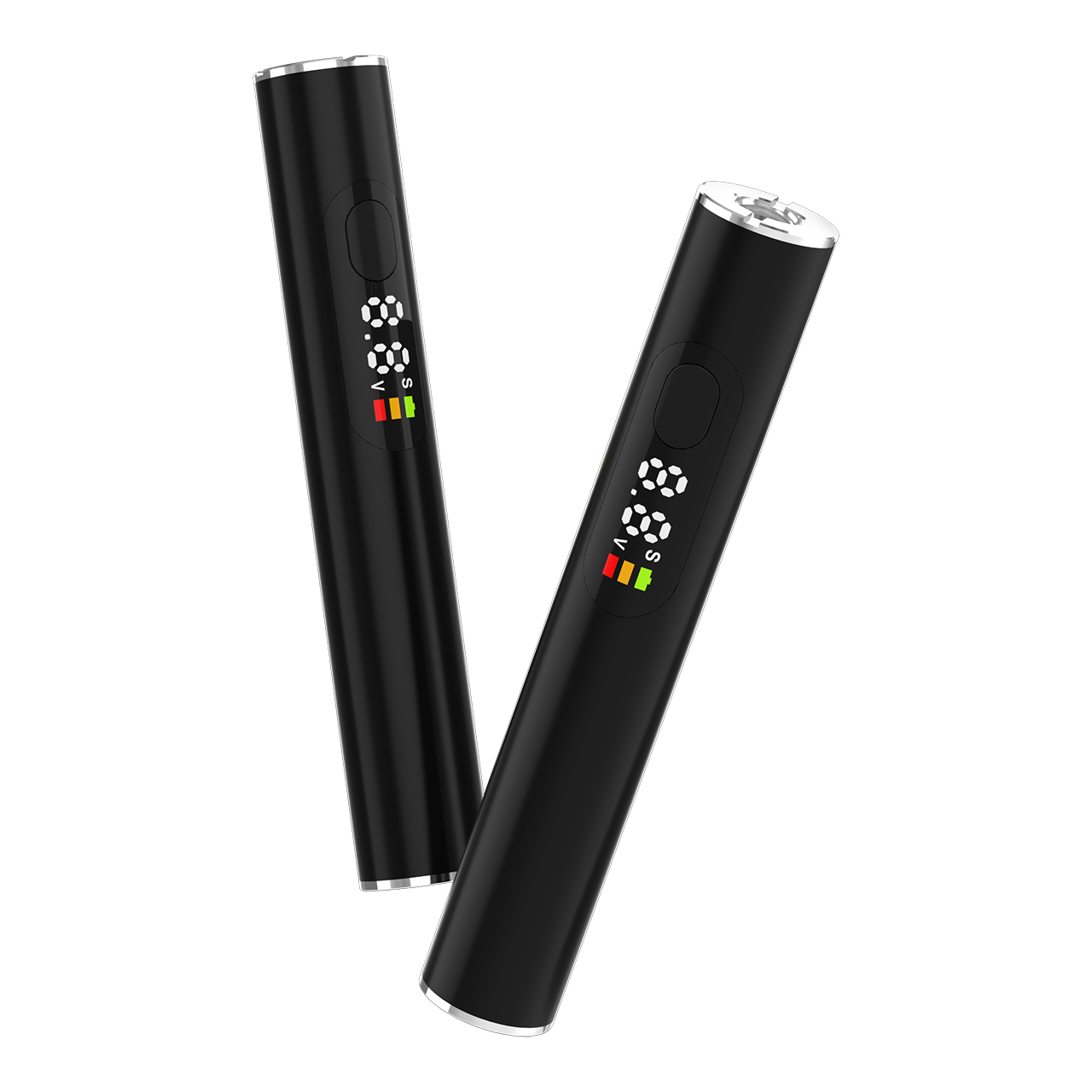
Most use compact lithium-ion cells. Common formats include cylindrical cells and flat lithium-polymer pouches.
Capacities often range from about 280mAh to 650mAh. Higher capacity does not automatically mean better performance.
Poor-quality cells may produce inconsistent heating. Their printed capacity can look impressive but still disappoint in use.
Factories should verify capacity, internal resistance, insulation, and protection performance. Temperature checks are useful during repeated operation.
Unusual heat is a warning sign. The device should not become uncomfortably hot during normal repeated use.
Rechargeable models need a protected charging circuit. Non-rechargeable models are simpler but may increase waste volume.
They respond when the user inhales. No button is required. A weak sensor may fail to activate.
They should test button pressure, alignment, surface wear, and battery protection. A loose button feels unreliable.
Neither design is perfect. Draw activation feels simpler, while button activation offers more deliberate control.
Teams should test airflow, automatic shutoff, leakage, vibration, and temperature changes. Child-resistant packaging and lawful distribution also matter.
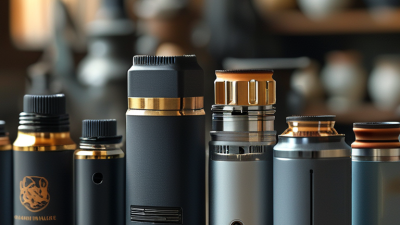
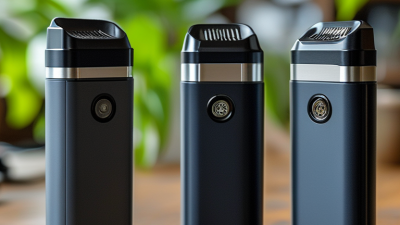
Disposable vapes produced by a disposable vape factory can be grouped by shape, airflow design, e-liquid capacity, battery configuration, and activation method. Common structures include compact pen-style devices, slim rectangular models, and larger high-capacity formats. Their overall size, mouthpiece design, coil arrangement, and airflow system influence portability, vapor output, and ease of use. E-liquid capacity is another major distinction, with smaller units intended for short-term use and larger models designed to provide more sessions.
Factory-made disposable vapes may use different battery capacities and power settings to match the device’s size and expected lifespan. Draw-activated models operate when the user inhales, while button-activated designs provide more direct control but require additional safeguards. When evaluating quality, buyers should consider consistent construction, secure seals, reliable battery protection, clean labeling, stable performance, and appropriate compliance with applicable regulations. These factors help distinguish dependable products from poorly manufactured alternatives.