
 All in one
 AIR
 EDGE
 Canvas
 Grid
 Magix Nexo
 VISTA
 Pulse Pro
 Ready S
 Magix Cube
 Slim
 Cartridges
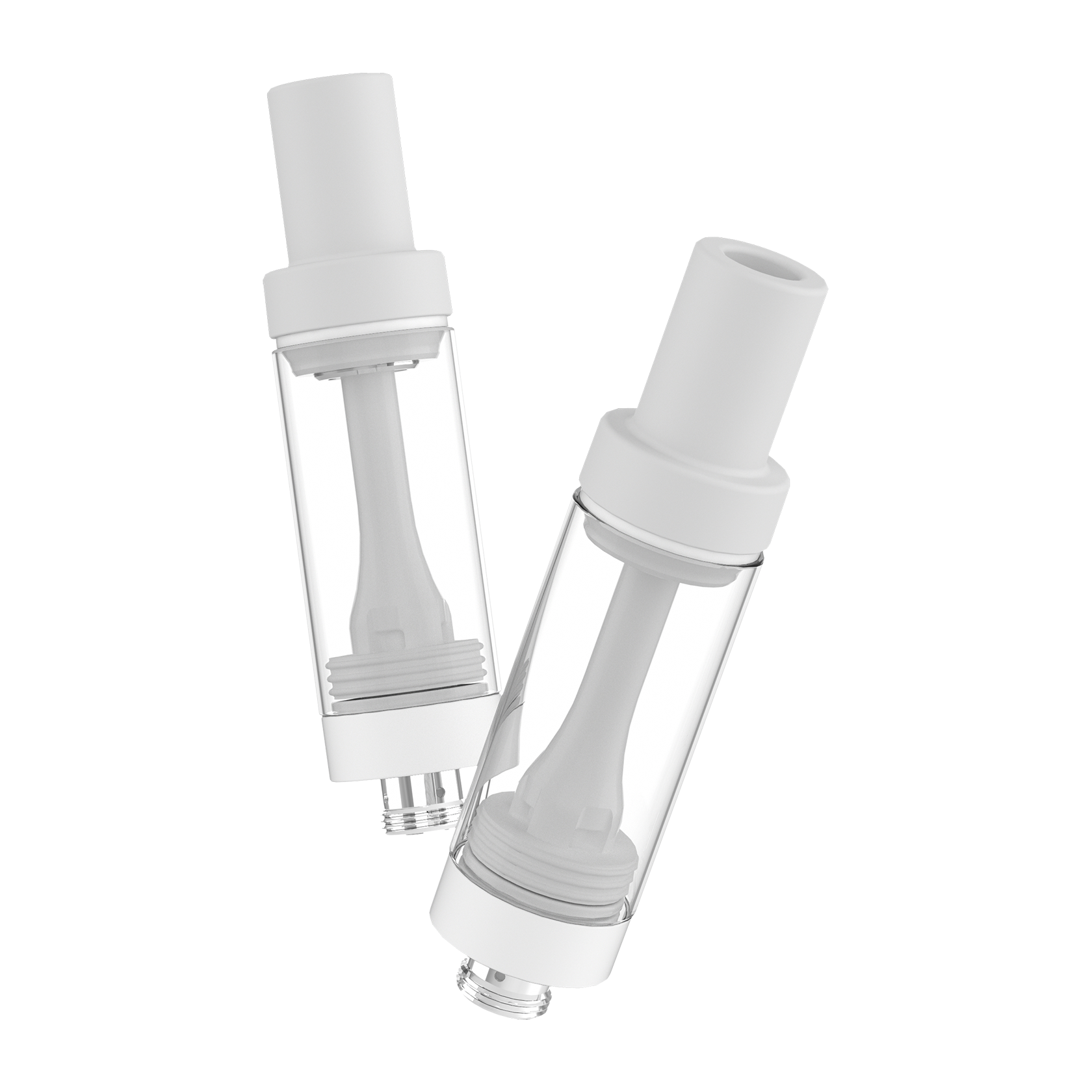 Base 2
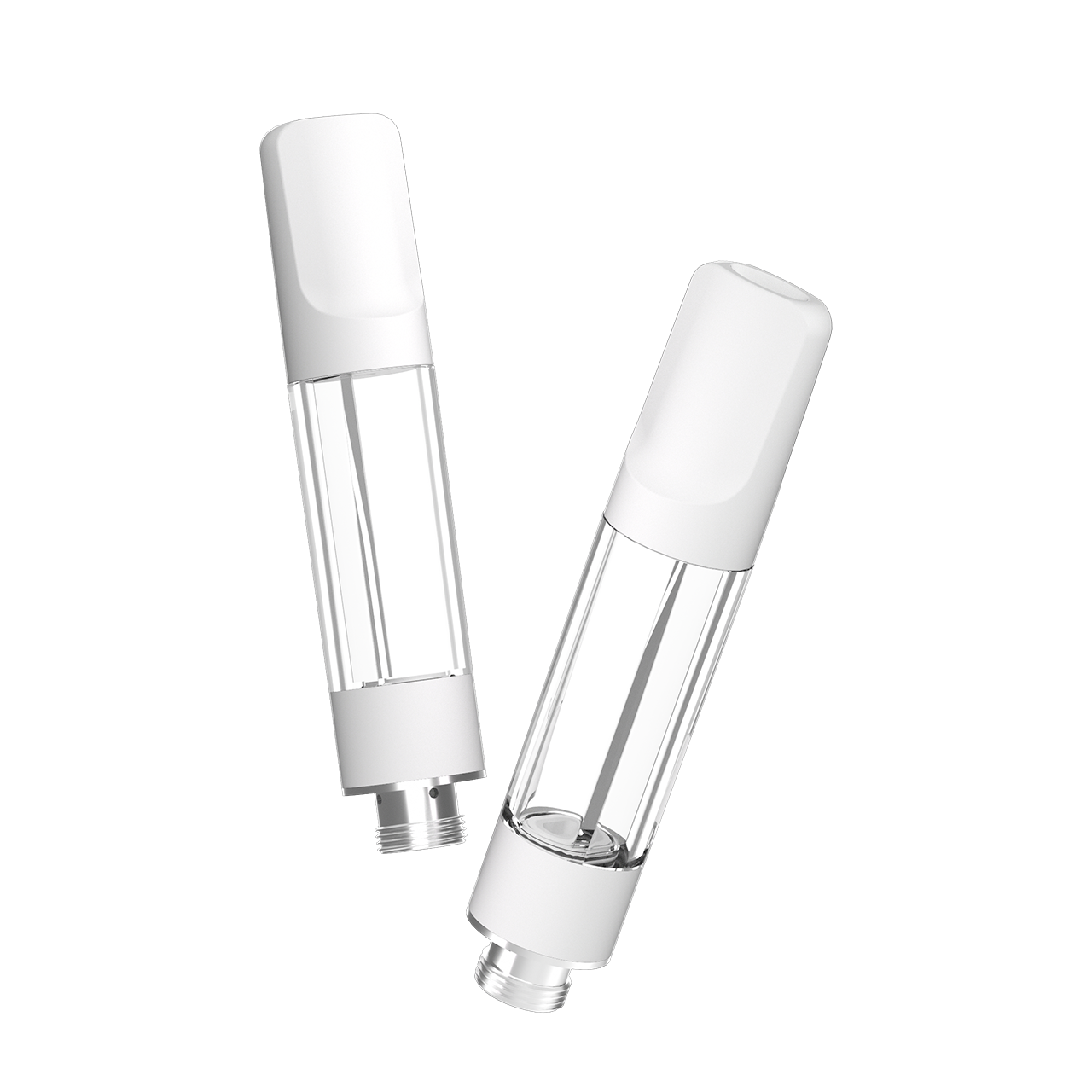 Core S1
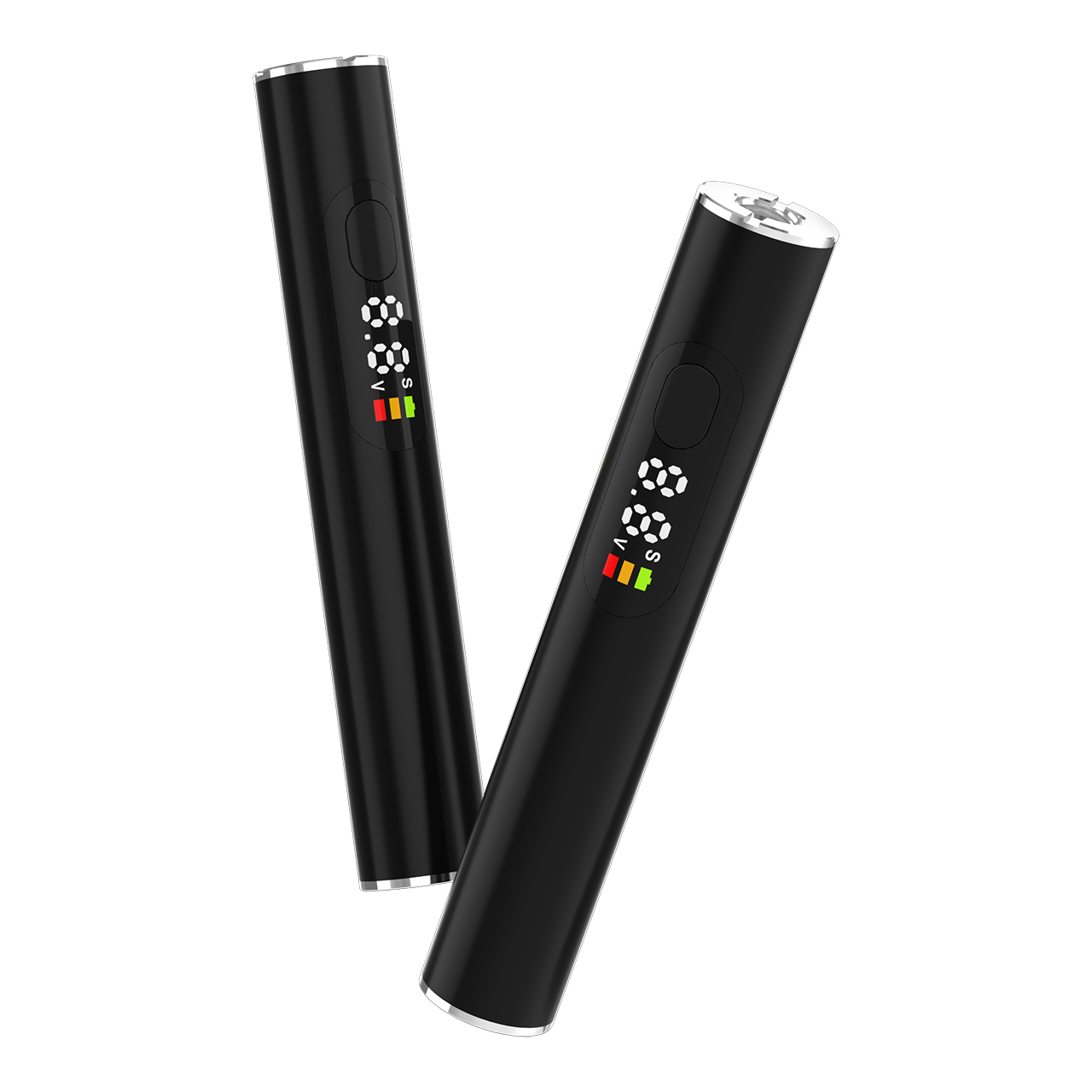 Batteries
 Vape Filter






NATO Claims Current Membership System Covers Over 66000 Retail Stores
According to Convenience Store News on August 14, 2026. Bret Koplow, Acting Director of the Center for Tobacco Products (CTP) at the US Food and Drug Administration (FDA), will give a keynote speech and participate in a fireplace talk at the 25th anniversary celebration and legislative session of the National Association of Tobacco Outlets (NATO) in Washington, D.C. on September 29-30, 2026. This speech comes after several months of FDA's continuous efforts to accelerate PMTA review and adjust enforcement priorities for unauthorized ENDS and nicotine pouches. The FDA also plans to establish a public list of manufacturers and products that do not currently intend to prioritize enforcement action based on the May guidelines. NATO claims that its current membership system covers over 66000 retail stores, making product regulatory status and enforcement boundaries highly relevant issues for the retail end.
Overview of Key Points
- Bret Koplow, Acting Director of FDA CTP, will attend NATO's 25th anniversary celebration and legislative session in Washington on September 29-30 to introduce CTP regulatory developments and participate in furnace side talks.
- NATO has not yet announced the specific policy topics for Koplow's speech, so PMTA, vape enforcement, and nicotine pouches can only serve as important policy background for the conference at present, rather than confirmed themes.
- Koplow issued a signed statement on May 7th, stating that improving the efficiency of tobacco product pre-market review is a key focus of CTP, and explicitly mentioning the application for vapes and nicotine pouches.
- The FDA released its final guidelines on May 8th, implementing a more detailed enforcement priority policy for unauthorized vapes and nicotine pouches that have pending PMTAs and whose applications have been accepted and entered the Filing stage.
- The FDA plans to establish a public list of manufacturers and products that currently do not intend to take enforcement action under this policy, but being listed does not equate to obtaining marketing authorization.
- The FDA currently claims to have authorized 45 vape products and states that these are the only vape products that can be legally sold in the United States.
- NATO claims that its membership system covers over 66000 retail stores and continues to track enforcement actions related to vapes, such as FDA warning letters, civil penalty complaints, and import alerts.
The NATO official agenda also includes FDA related thematic sessions. However, as of now, the organizers have not announced the specific title of Koplow's keynote speech, nor have they confirmed that it will specifically discuss PMTA, vape enforcement, or nicotine pouch policies.
An important background of the industry's attention to this speech is that CTP, led by Koplow, launched two important policy actions in May this year involving the evaluation and enforcement of tobacco and nicotine products.
FDA accelerates PMTA first, then adjusts enforcement priorities
On May 7th, Koplow issued a signed statement in the FDA CTP Newsroom, announcing the further improvement of the efficiency of tobacco product pre-market review, and making reducing application backlog, compressing early review waiting time, and improving decision-making efficiency a current focus of CTP's work.
Koplow stated that CTP will reduce the backlog of pending applications by approximately 70% by 2025 and has essentially eliminated the queuing problem during the Acceptance Review phase. CTP is also improving the efficiency of Filing Review, including implementing new efficiency measures for Electronic Nicotine Delivery Systems (vapes) and nicotine pouch applications.
Koplow described these changes as improving review efficiency rather than lowering scientific review standards, and stated that more efficient reviews can help products that meet legal public health standards enter the market more timely for adult tobacco users.
The FDA still requires new tobacco products to meet the "appropriate for the protection of the public health" (APPH) standard in order to obtain marketing authorization.
One day later, on May 8th, the FDA released the final guidelines for Enforcement Priorities for Certain New Tobacco Products Marketed Without Premarket Authorization, setting more detailed enforcement priorities for some vapes and nicotine pouches that have not yet obtained pre-market authorization.
According to the guidelines, for vapes and nicotine pouches that have pending PMTAs and have been accepted by the FDA and entered the Filing stage, as well as supplementary PMTA products that meet specific conditions, the FDA has stated that it does not intend to prioritize enforcement action at this time.
For non tobacco flavored vapes, the FDA also requires that the relevant applications contain sufficient data to support the agency's assessment of whether they meet the APPH standards.
'Non priority enforcement' does not mean obtaining FDA authorization
The new enforcement policy further divides the enforcement priorities among products not authorized by the FDA, but does not change the legal status of these products.
The FDA has explicitly stated that according to the US Federal Food, Drug, and Cosmetic Act, new tobacco products cannot be legally sold without pre-market authorization. Therefore, even if a certain vape or nicotine pouch meets the non priority enforcement conditions in the new guidelines, it has not yet obtained FDA marketing authorization.
The FDA has also made it clear that compliance with this policy will not affect whether the agency approves its PMTA in the future.
The FDA currently claims to have authorized 45 vape products and states that these are the only vape products that can be legally sold in the United States.
From the perspective of risk identification on the retail end, products on the market can currently be observed into three categories: products that have obtained FDA marketing authorization; Products that have not been authorized but may comply with FDA's current non priority enforcement policy; And unauthorized products that the FDA is currently or may prioritize enforcement action on.
This is only a summary of regulatory and enforcement practices, and does not mean that the FDA has established three formal product categories with different legal statuses.
The FDA plans to publicly disclose the list of products that are currently not subject to priority enforcement
Another change in the May guidelines that directly affects manufacturers and retail channels is the FDA's plan to establish and maintain a publicly searchable list.
This list will list manufacturers and their vape or nicotine pouch products that the FDA currently does not intend to prioritize enforcement action under current policies.
The FDA stated that manufacturers who wish to be listed and whose products meet policy requirements can contact the Regulatory Health Project Manager responsible for their pending applications or submit relevant information through CTP designated channels.
This mechanism may increase retailers' visibility of the FDA's current enforcement stance, but the FDA also emphasizes that appearing on the public list cannot be interpreted as the product having obtained FDA marketing authorization, nor does it guarantee that the agency will not take enforcement action in any specific situation.
The FDA also reserves the power to prioritize enforcement of products with additional public health or safety risks.
For example, even if a product has an application under review, if it uses cartoon style fictional characters, intentionally disguises itself as other consumer goods, or looks similar to children's toys, mobile phones, and gaming platforms, it may still become a focus of law enforcement.
The FDA will also consider factors such as abnormally high nicotine content, serious adverse events, lack of child safe packaging, and potential fire risks.
NATO claims membership system covers over 66000 retail stores
Koplow will soon attend NATO, the national tobacco and nicotine retail industry association in the United States.
NATO claims that its current membership system covers over 66000 retail stores, including manufacturers, distributors, and other relevant industry participants. The association has long been involved in federal, state, and local tobacco and nicotine legislation and regulatory affairs, and has identified vape regulation and FDA policies as its main areas of work.
For its retail members, the FDA's classification of product regulatory status and enforcement priorities has direct operational significance.
NATO currently maintains an FDA enforcement action tracking tool that records FDA warning letters, civil penalty complaints, and import alerts related to flavored disposable vape brands.
The association also reminds retailers that FDA action against a brand does not necessarily mean that all SKUs under that brand have the same regulatory status, and recommends that retailers verify specific products with suppliers.
The retail industry continues to pay attention to PMTA speed and product status transparency
In the past one to two years, NATO and other US retail industry organizations have publicly called on the FDA to accelerate the PMTA decision and strengthen enforcement against unauthorized disposable vapes.
These organizations believe that longer review cycles and unclear product regulatory status will increase uncertainty for retailers in procurement and inventory management.
NATO also supports age verification and retail compliance measures for the sale of minors, but opposes addressing the vape market issue through extensive flavor bans or comprehensive retail bans.
The FDA did not indicate that the May review and enforcement policy adjustments were in response to requests from NATO or other retail industry organizations. However, the new policy overlaps with some of the demands put forward by the retail industry in recent years, including accelerating PMTA review, improving product status transparency, and concentrating enforcement resources more on products that do not meet basic pre-market application requirements or have additional public health risks.
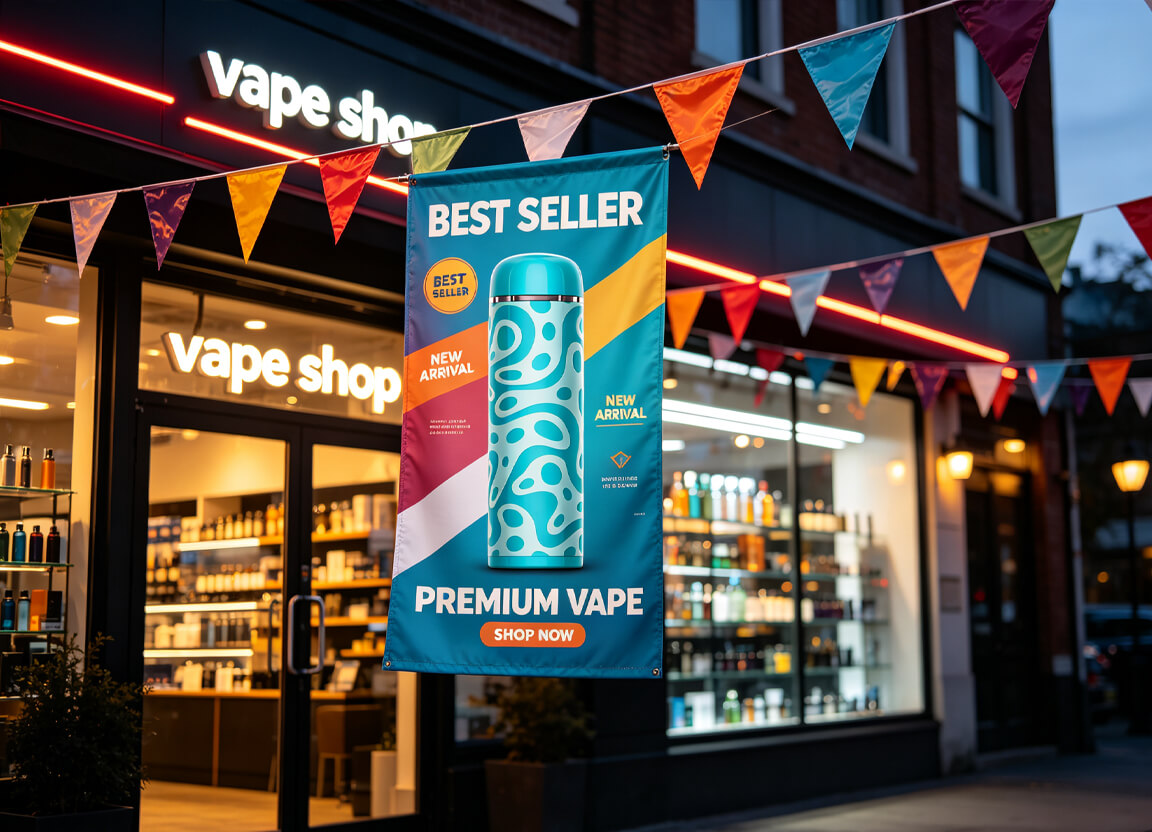
Retailers pay attention to how FDA explains new review and enforcement policies
Koplow's speech at the NATO conference in September will take place at a time when the FDA is simultaneously advancing two regulatory policy lines: on the one hand, shortening the PMTA review cycle to enable products to obtain clear regulatory decisions more quickly; On the other hand, before the final decision is made, more detailed enforcement priorities will be adopted for different unauthorized vapes and nicotine pouches.
For manufacturers, this means that in addition to ultimately obtaining marketing authorization, they also need to pay attention to whether the product complies with FDA's current non priority enforcement policies during the review period.
For distributors and retailers, it is necessary to more accurately distinguish between products that have been officially authorized, products that have not been authorized but may not currently be FDA enforcement priorities, and unauthorized products that still fall within the FDA's key enforcement scope.
NATO has not yet indicated that Koplow will announce new policy decisions at the meeting.
As the FDA's planned public list and May guidelines are gradually implemented, retailers will focus on how CTP explains the enforcement boundaries between different products, and how PMTA acceleration and enforcement priority adjustments will affect the US vape market.
Koplow's speech will also provide an observation window to see how the FDA allocates regulatory resources between accelerating product reviews and continuing enforcement against unauthorized products.