
 All in one
 AIR
 EDGE
 Canvas
 Grid
 Magix Nexo
 VISTA
 Pulse Pro
 Ready S
 Magix Cube
 Slim
 Cartridges
 Base 2
 Core S1
 Batteries
 Vape Filter


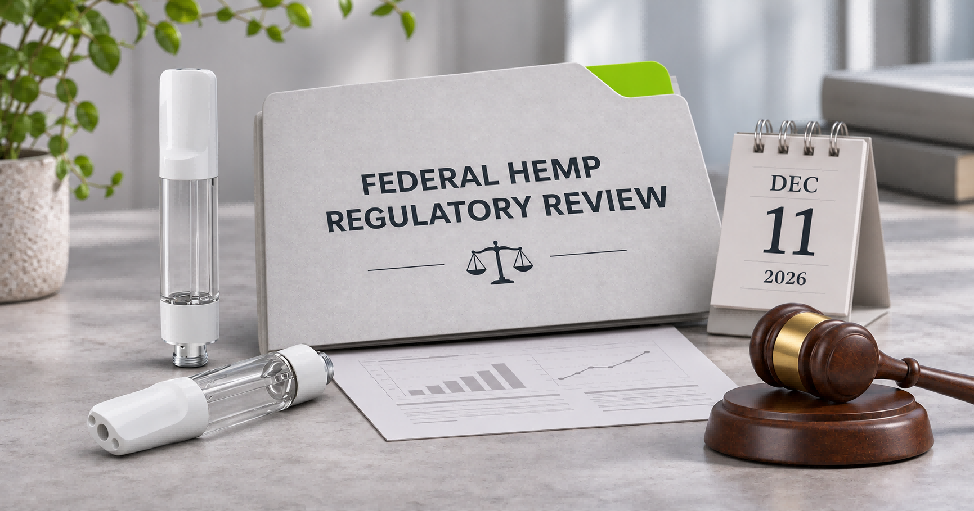








Yale Report: Federal Pot Tax Could Net $57.9B, $111B with States

Yale Report: Federal Pot Tax Could Net $57.9B, $111B with States
A new analysis from Yale University's Budget Lab projects. That federally legalizing marijuana would generate $57.9 billion in new tax revenue over a decade. If all remaining states also legalize cannabis. That total would nearly double to $111.3 billion over the same period.
The Tax Mechanism
The report proposes a federal excise tax of $0.00625 per milligram of THC. Which would add approximately $1.31 per gram of marijuana. At an average retail price of $8.59 per gram. This represents roughly a 15% increase in the tax-inclusive price. A level researchers compare to taxes on alcohol and tobacco, often justified by both revenue generation and social discouragement.
Market Size and Growth Projections
Based on existing state tax collections. The recreational marijuana market reached approximately $25 billion in 2024. Even without federal action or new state legalizations. The market is projected to grow to $40 billion by 2035. The medical segment, while more established, accounts for a smaller share. Only about 20% of total activity, or $5–$8 billion annually.
Additional Income and Payroll Tax Gains
Beyond excise taxes, federal legalization would also bring illicit market workers into the formal tax system. Cultivators, trimmers, distributors, and retail sellers who currently operate outside federal reporting would begin paying income and payroll taxes (FICA) as licensed businesses hire them as W-2 employees. Business owners would also become subject to self-employment taxes and federal income tax on net profits—revenue streams currently entirely outside the federal tax base.
Uncertainties and Caveats
The Yale team acknowledges an "unusual degree of uncertainty" in these projections due to the complicated legal landscape. Key unknowns include:
- How much illicit activity will convert to the regulated market
- How consumer behavior responds to the new tax
- Whether federally legal businesses will benefit from tax deductions currently blocked by IRS code 280E (which the report did not model)
Despite these variables, the analysis concludes that federal legalization would "undoubtedly" generate substantial new revenue by reducing the structural advantages that sustain the black market and pulling a meaningful share of activity into the regulated economy.

Supporting Evidence from Other Sources
A recent U.S. Census Bureau report shows states with legal marijuana have generated nearly $15 billion in tax revenue since late 2021.
The Marijuana Policy Project puts the cumulative state tax haul from recreational sales at more than $28.4 billion since the first markets launched over a decade ago.
In a contrasting note, a Vangst and Whitney Economics report found that 2025 marked the first year-over-year decline in national cannabis sales revenue since 2014, highlighting market volatility.
what this will effect to vape industry?
The Yale report's proposed federal THC tax would likely have a complex. And in some ways challenging, impact on the vape industry. The key effects would revolve around market disruption, consumer behavior, and a shifting competitive landscape.
📉 The Threat of Tax-Induced Market Decline
The most immediate threat is that a new tax could significantly reduce legal vape sales. The Yale report's model proposes a federal excise tax of $0.00625 per milligram of THC. Which would add about $1.31 to the price of a gram of marijuana—a 15% increase.
Evidence from state-level markets shows that such tax hikes can be destabilizing:
- Sales Drop in Michigan: After a new 24% wholesale tax took effect in Michigan. Overall cannabis sales fell to their lowest level in years. Vape cartridge sales specifically declined by 16.2% year-over-year. This shows how added taxes can depress demand.
- Consumer Confusion: The same Michigan situation was made worse by consumer confusion. With many simply avoiding stores.
Economic research supports this trend. A study found that the demand for recreational cannabis is highly sensitive to price and taxes. With a 10% increase in cannabis taxes associated with a 12.6% decrease in legal sales.
⚖️ The Complex Case of THC Potency Taxes
The proposed federal tax would be based on THC potency, not the sale price. This type of "potency tax" can have unintended consequences:
- High Effective Tax Rates: Connecticut has a similar THC-based tax where, on some products, the effective tax rate can reach 35%. This creates a high and unpredictable cost burden. And harms consumers and licensed operators.
- Competitive Disadvantage: Connecticut operators report that this structure hurts their ability to compete with neighboring states and the untaxed illicit market. A federal tax could create a similar national problem.
🧩 A Major Disruption: The Hemp-Derived THC Ban
While not part of the Yale report. But a separate federal policy represents an even more immediate and severe shock to the vape industry. A provision in a federal spending bill effectively bans hemp-derived THC products. Such as vape cartridges, that contain more than 0.4 milligrams of total THC per container.
The impact of this ban is projected to be devastating:
- Industry Wipeout: It is expected to eliminate up to 95% of the hemp-derived market. Which is valued at between $28 billion and $37.5 billion.
- Massive Job Losses: Such a ban threatens over 375,000 jobs across the industry.
This ban specifically targets the "hemp loophole" that allowed intoxicating products to be sold outside the state-licensed cannabis framework. Its goal is to force all intoxicating cannabinoid products into the regulated state systems.

🚀 Potential Gains for the Regulated Market
From this disruption, a potential positive for the state-licensed vape industry emerges. By eliminating competition from the loosely regulated hemp market, it could:
- Restore Pricing Power: Licensed operators, who must comply with strict regulations and taxes. Would gain back pricing power as their unregulated competition is removed.
- Normalize Competition: It would create a more level playing field where compliance is an advantage.
📊 Summary of Key Impacts
| Factor | Potential Impact on the Vape Industry |
| Federal THC Excise Tax | Could raise prices, reduce demand, and lead to a significant drop in sales for legal vape products. |
| THC Potency Tax Structure | Could lead to high and unpredictable tax burdens, making legal products less competitive. |
| Hemp-Derived THC Ban | Would devastate the hemp vape market but could strengthen the state-licensed market by removing competition. |
💡 Key Takeaway
The vape industry is facing a future where a new federal tax might suppress demand, while a separate ban threatens to eliminate the hemp-derived THC sector. Paradoxically, the ban could ultimately create a more stable and profitable environment for those operating within the state-regulated market by removing cheaper, unregulated competition.