
 All in one
 AIR
 EDGE
 Canvas
 Grid
 Magix Nexo
 VISTA
 Pulse Pro
 Ready S
 Magix Cube
 Slim
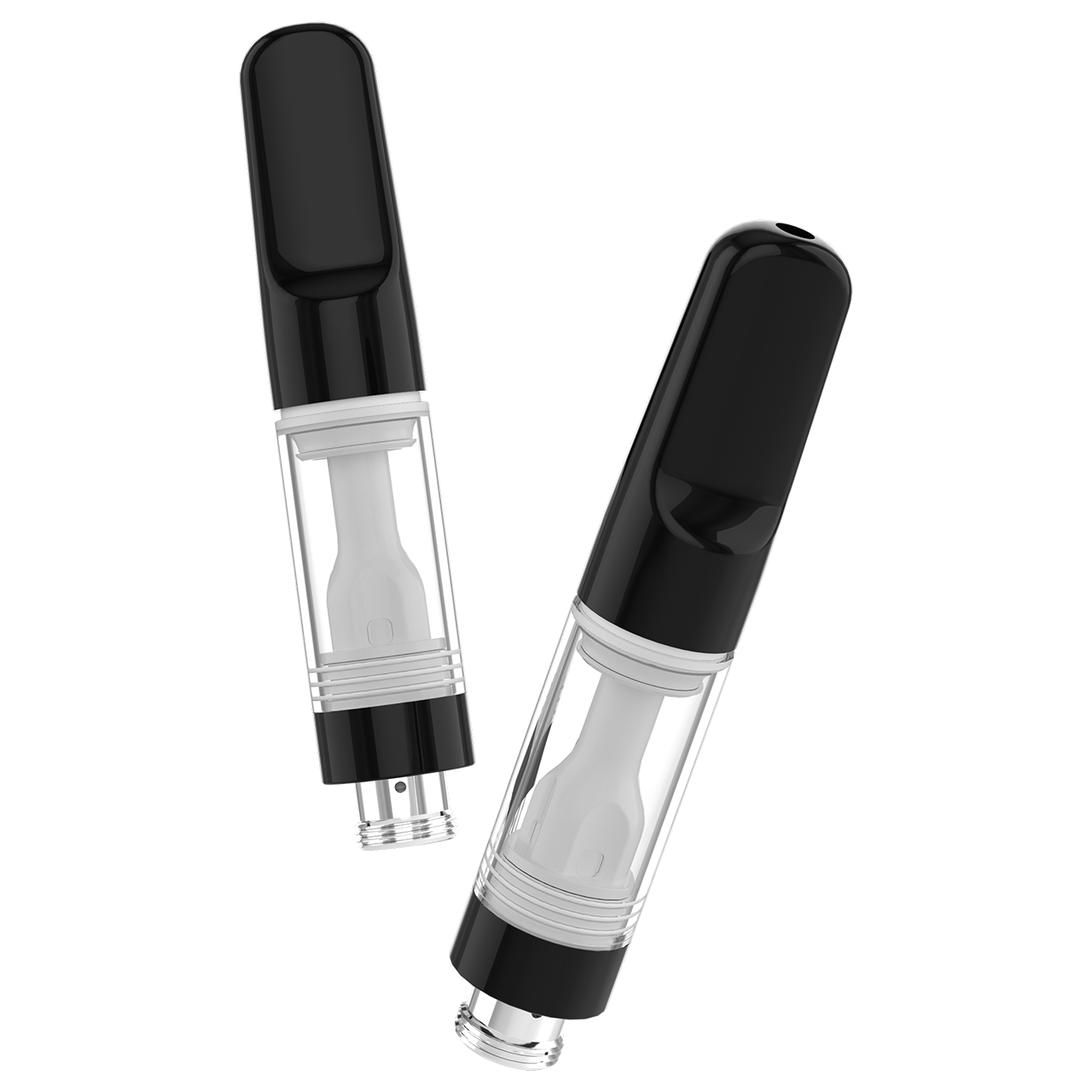 Cartridges
 Base 2
 Core S1
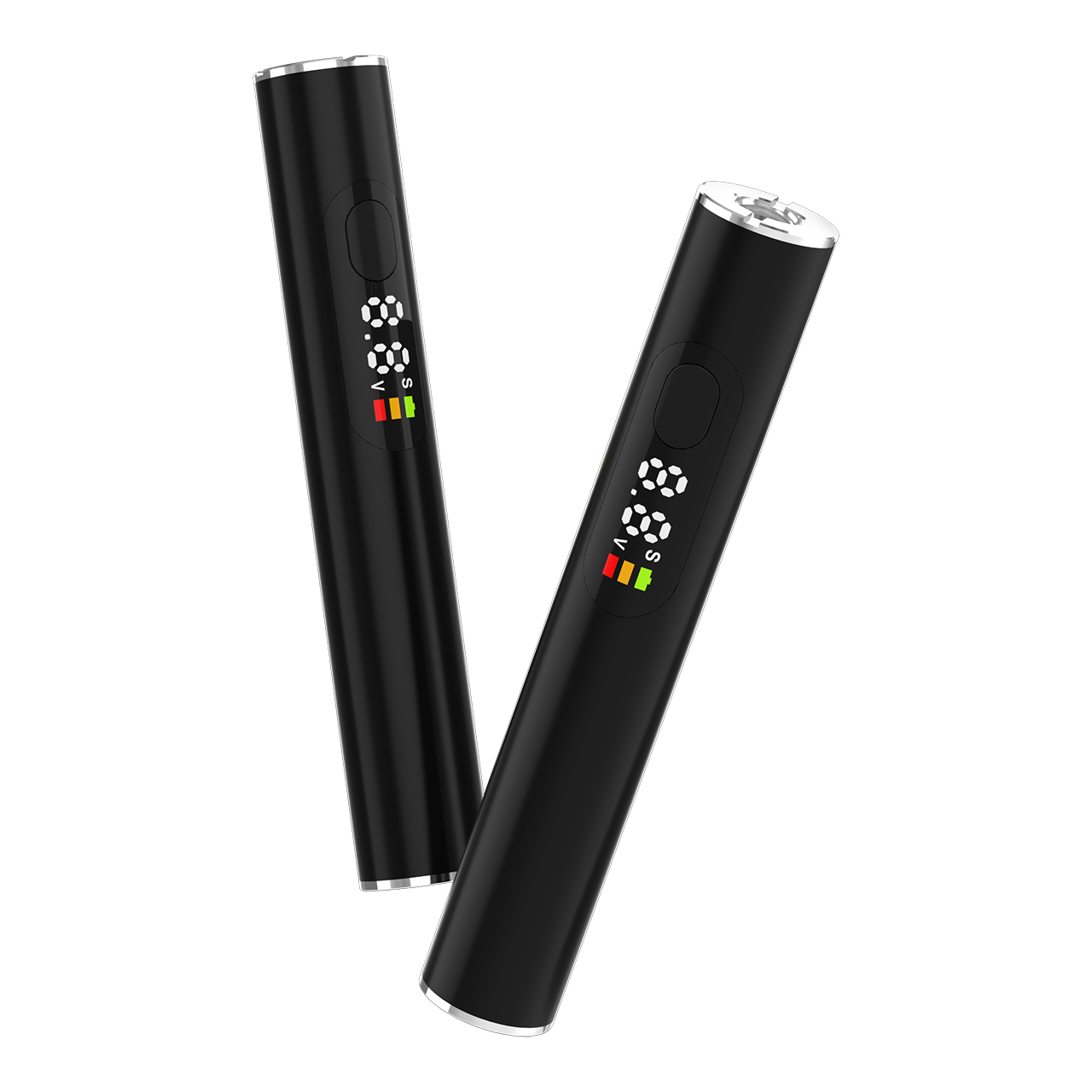 Batteries
 Vape Filter









California GOP Senator Proposes Reversing Marijuana Legalization
A California Republican senator is calling for a "serious discussion" about potentially reversing the state's marijuana legalization through a new ballot measure. Sen. Roger Niello (R) made the remarks at a Senate Business, Professions and Economic Development Committee hearing last week. Where he also voiced concerns about President Donald Trump's recent move to reschedule cannabis at the federal level.

Niello's Rationale: Unintended Consequences
Niello argued that California's 2016 legalization initiative—Proposition 64. It has produced significant negative outcomes that now demand reevaluation.
"I think it's time to assess the effects, the significant unintended consequences of the legalization of marijuana, which has not just happened in California, but in other states too," Niello said.
He acknowledged that changing the law would require going back to voters. But insisted that a serious analysis is overdue. "I don't think that the writers of the proposition cared about" the negative consequences, he stated, adding that "these could have been predicted. They just wanted recreational use to be legalized."
The senator cited data on youth cannabis use and alleged links to mental health problems as key concerns. He also criticized the 2016 reform as being "written to please everybody," . He claimed resulted in a "dysfunctional policy that is bound for unintended consequences."
Federal Tensions: Trump's Rescheduling Move
Niello also took issue with the Biden and now Trump administration's approach to cannabis policy, specifically pointing to the current president's advocacy for downplaying marijuana's federal classification.
"We're even seeing our current president now advocating that by downplaying the classification of marijuana at the federal level," Niello said, suggesting that federal moves are compounding state-level problems.

A Note on Timing: The Drive-Thru Bill
In an interesting twist, Niello's comments came during a hearing. Lawmakers actually approved a bill to legalize marijuana dispensary drive-thru windows in California. A move that seems to expand access even as Niello pushes for potential rollback.
National Context: Similar Efforts Elsewhere
California is not alone in facing anti-legalization backlash. In Maine and Massachusetts, opponents are actively collecting signatures to put rollback measures on their own ballots. Though those campaigns have been accused of using misleading petitioning tactics.
Meanwhile, a similar effort in Arizona was abandoned after its lead organizer admitted that his initial concerns about the legal cannabis industry turned out to be misplaced.

California's Conflicting Regulatory Landscape
Despite Niello's push for reversal, California regulators have recently taken steps that align with federal rescheduling efforts. They adopted emergency rule changes intended to make it easier for marijuana businesses to qualify for benefits following the Trump administration's move to reschedule medical cannabis.
Regulators also launched a new AI tool designed to help businesses identify product packaging that may improperly appeal to children—an enforcement measure that reflects ongoing efforts to address some of the very concerns Niello raised.
The Governor's Mixed Record
Gov. Gavin Newsom (D), who played a key role in pushing for California's legalization, has recently taken credit for that achievement and even discussed his own limited experience with cannabis.
However, his recent actions present a mixed picture:
- Vetoed (October): A bill that would have allowed certain marijuana microbusinesses to ship medical cannabis directly to patients via FedEx or UPS, citing it as "burdensome and overly complex to administer."
- Signed (October): A bill aimed at streamlining research on marijuana and psychedelics.
- Signed (September): A measure to pause a recently enacted tax hike on marijuana products.

Other Key Developments
- Tribal Commerce: The state attorney general clarified that Indian tribes cannot independently engage in marijuana commerce with licensed businesses. Unless they first obtain their own commercial license from state officials.
- Research Funding: California officials recently awarded nearly $30 million in grants for marijuana-focused academic research projects.As signaling continued investment in studying cannabis despite ongoing policy debates.
Conclusion: A State at a Crossroads
As Niello pushes for a potential reversal, California's cannabis landscape remains deeply divided. On one hand, regulators are expanding access and enforcement tools. On the other, critics are calling for a fundamental reassessment of whether legalization has delivered on its promises. Whether voters will get another chance to weigh in remains to be seen—but the conversation is clearly far from over.

What this will effect to vape product
- A key piece of legislation, Assembly Bill 762 (AB 762), would specifically target vape manufacturers.
Manufacturers of vape cartridges must already adhere to strict Good Manufacturing Practices (GMPs). And establish a Product Quality Plan (PQP) for each product type. The PQP is a detailed document that requires manufacturers to analyze and mitigate biological, chemical, and physical hazards in their products.
Vape products face specific labeling rules designed to prevent youth appeal and inform consumers. For instance, labels must not use cartoons or images that attract children, and they cannot state that a device is disposable or imply it can be thrown in the trash. - This law likely won't directly impact a manufacturer's ability to produce vapes, but it could reshape the retail landscape. It may limit the number of potential retail partners for vape manufacturers, as traditional convenience stores or tobacco shops can no longer legally carry their products. The law also empowers authorities to seize prohibited products and issue significant civil penalties to violators.
In summary, while the article focuses on a general political push to "reverse" legalization, the most concrete and immediate effects on vape manufacturers would likely stem from product-specific bans like AB 762 and evolving retail restrictions.