
 All in one
 AIR
 EDGE
 Canvas
 Grid
 Magix Nexo
 VISTA
 Pulse Pro
 Ready S
 Magix Cube
 Slim
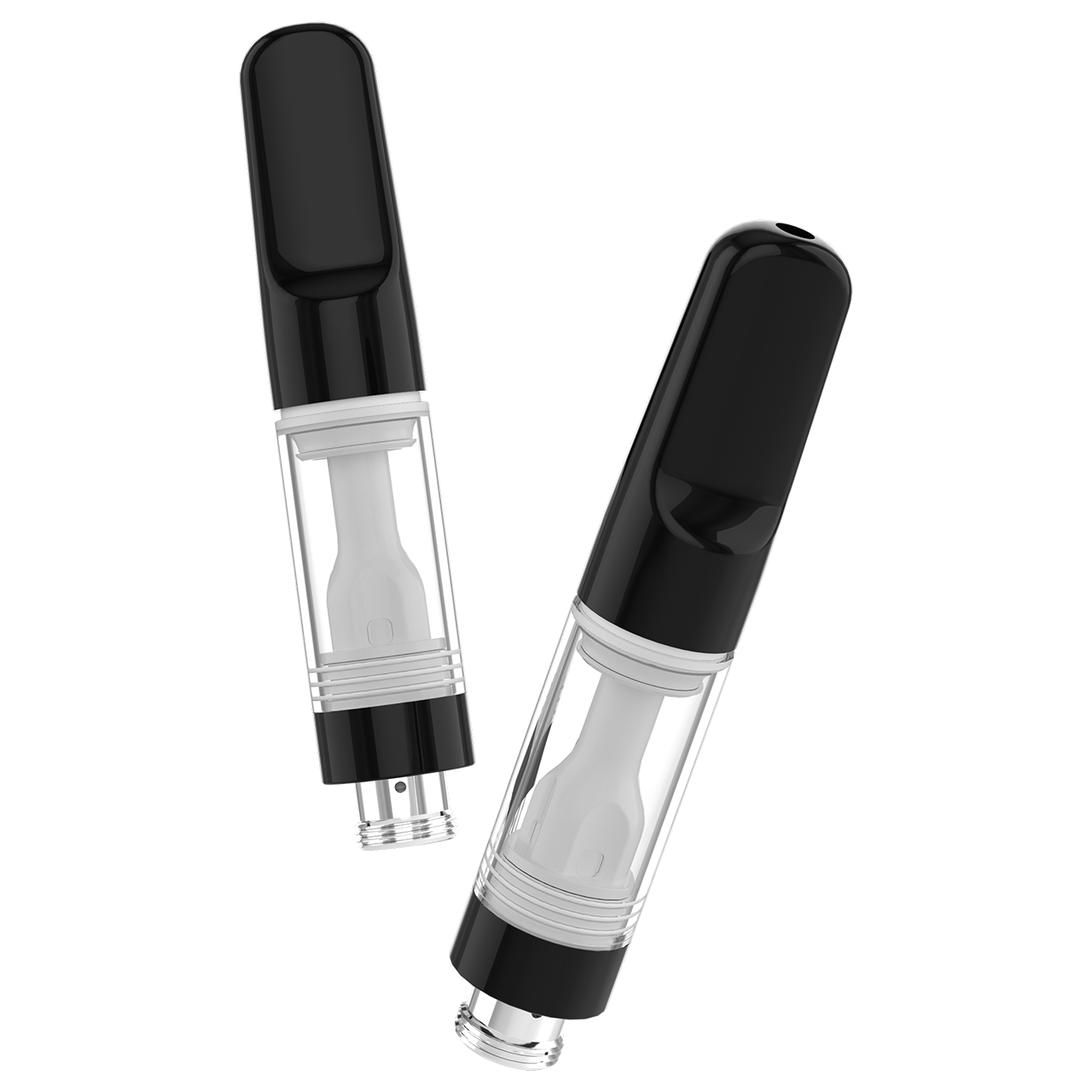 Cartridges
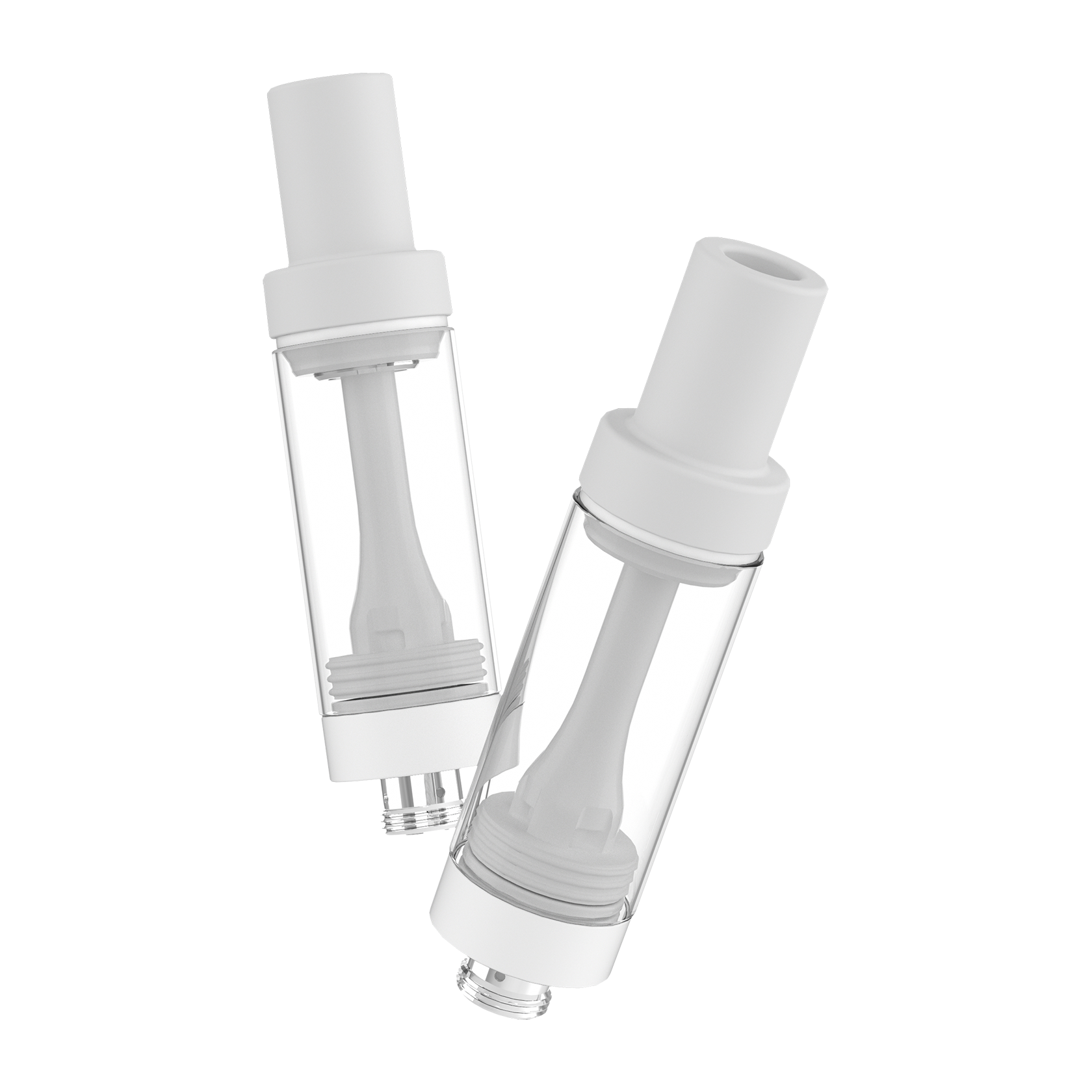 Base 2
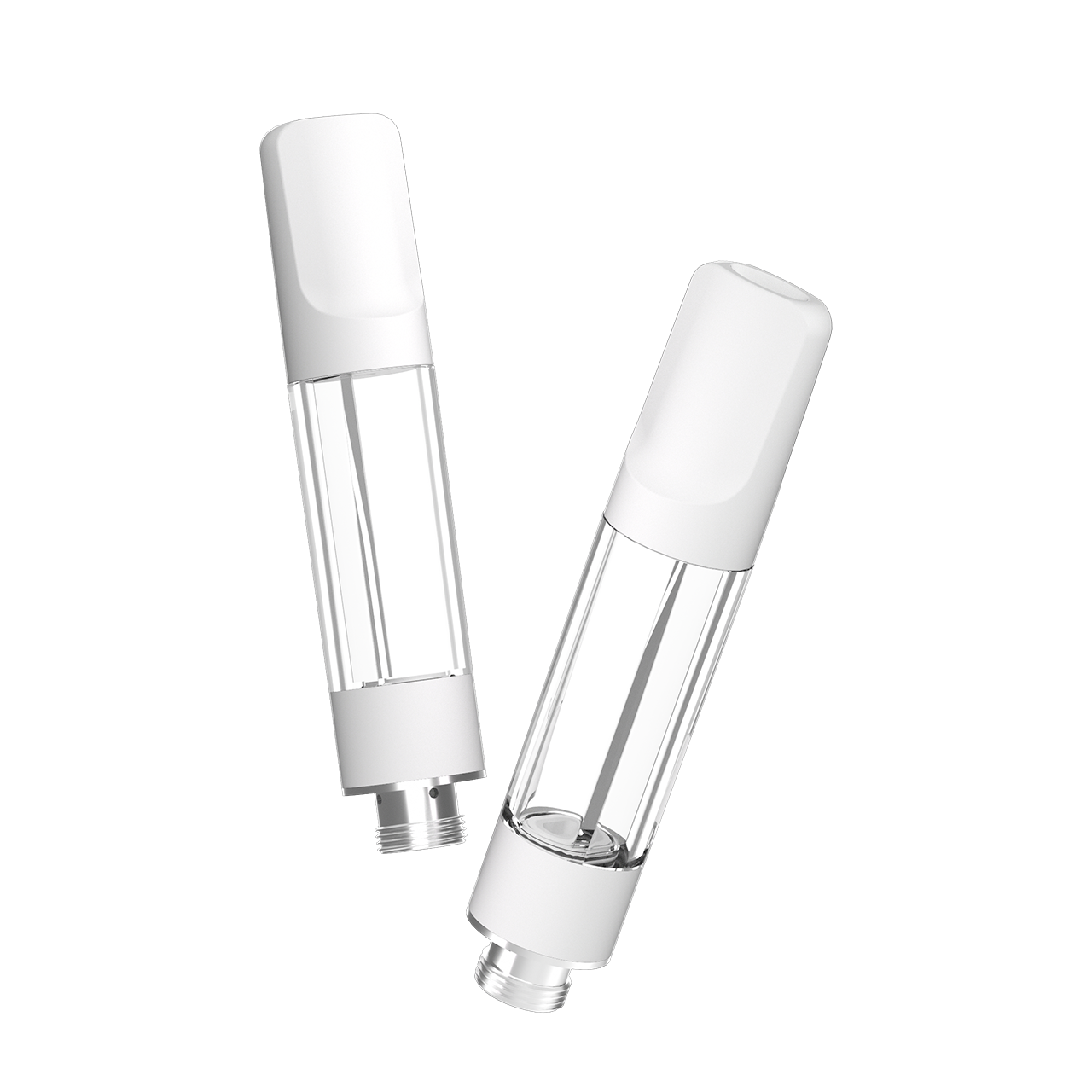 Core S1
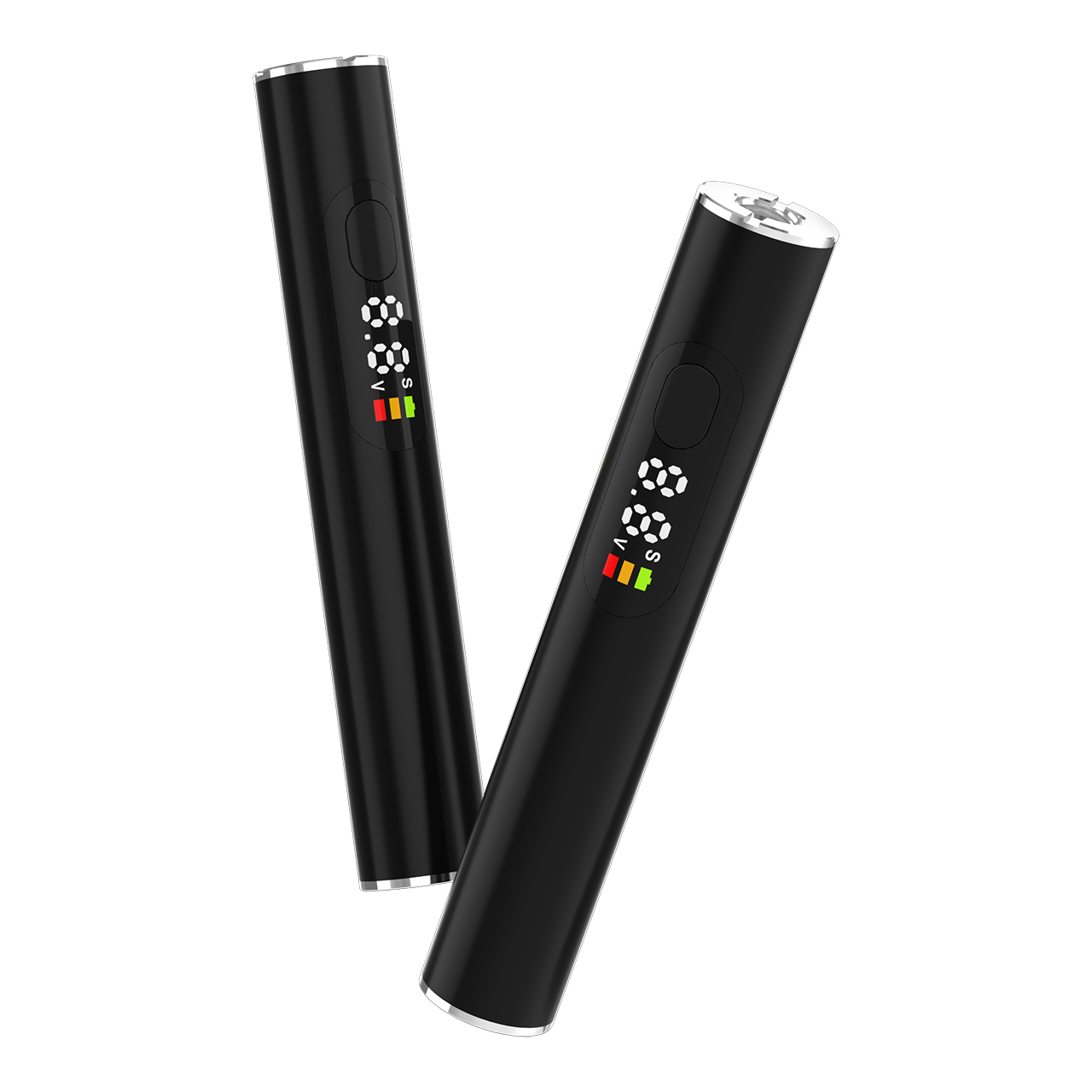 Batteries
 Vape Filter








UK Local Councils Plan To Discuss A Deposit System For Vapes
According to Birmingham Live and LADbible, the Norwich City Council in the UK will discuss a motion to reclaim vape deposits, proposing to require consumers to pay an additional £ 5 refundable deposit when purchasing each vape, which will be refunded upon returning the device; Recently, multiple recycling facility fires, including a major fire in Widnes, have been reported to be likely caused by vapes, raising concerns about the risk of improper disposal of lithium battery vapes.

Quick overview of key points
- Norwich will discuss the vape deposit scheme.
- Each device is eligible for a refundable deposit of £ 5.
- The Widnes major fire is suspected to have been caused by vapes.
- Vape regulation extends to recycling responsibility.
Local motion targets battery fires
The motion was proposed by James Wright, former mayor of Norwich City Council and leader of the Liberal Democratic Party group. Wright stated that this plan is related to public safety, as vapes and other lithium containing battery products may cause fires during the recycling and waste disposal process if thrown into regular garbage.
According to reports, two recycling centers in Norfolk have recently experienced fires, with lithium-ion batteries in vapes and other small appliances believed to be one of the causes of the fires. When recycling facilities compress, crush, or process waste mixed with batteries, lithium batteries may be damaged and cause thermal runaway, leading to fires.
According to Runcorn and Widnes World, the major fire that occurred at a recycling facility in Widnes on June 22 is likely to have been caused by vapes. According to public reports, the fire involved about 450 tons of waste, and about 20 fire trucks were deployed at the scene. It was declared a major incident due to the size of the fire and smoke column. This case further demonstrates that vape lithium batteries entering ordinary waste streams may pose practical risks to recycling facilities, firefighters, and surrounding communities.
Wright stated that local governments are bearing the costs of hazardous fires, contaminated recyclables, and cleanup efforts, which are ultimately borne by local taxpayers. He also stated that discarded vape devices are causing more environmental damage.
Rob Curtis, the head of protection for Norfolk Fire and Rescue Service, stated that the fire department supports any measures that can help safely dispose of vapes and other items containing lithium-ion batteries.

How does a £ 5 deposit work
According to reports, the proposed plan will require consumers to pay an additional £ 5 deposit when purchasing each vape. After returning the device, consumers can receive a refund of the deposit.
LADbible reported that the plan may require stores selling vapes to accept devices returned by consumers, even if the devices were not purchased at the store. This means that retailers may have a clearer responsibility for receiving recycling, rather than just sales responsibility.
The plan is still in the stage of discussion by the local council. Birmingham Live reported that the motion will be debated on Tuesday. It is not a nationwide new regulation that has already been implemented in the UK, nor does it mean that all vape users in England have been required to pay a deposit immediately.
However, this motion has policy implications. After the UK banned businesses from selling or supplying disposable vapes from June 1, 2025, local governments have shifted their focus from "banning disposable products" to "how to deal with vape devices still in the market and waste streams".
New issues after the ban on disposable vapes
The UK has banned the sale and supply of disposable vapes, covering both nicotine and non nicotine disposable products. Enterprises that continue to sell, supply, or plan to sell disposable vapes may face fines, product seizures, and legal consequences.
However, the report points out that although disposable vapes have been banned, there are still a large number of banned products and legally rechargeable vapes being thrown into ordinary garbage instead of entering recycling channels. This has prevented the problem of vape waste from completely disappearing due to the ban on disposable products.
The UK market is undergoing a product structure adjustment. After the ban on disposable vapes, some consumers have turned to low-cost devices that are rechargeable, replaceable cartridges, or reusable. Although these products are different from disposable vapes in terms of regulations, they still contain batteries, plastics, metals, and electronic components. If they are mistakenly discarded, they can also pose fire and environmental risks.
Therefore, Norwich's deposit motion reflects a new regulatory issue: after the ban on disposable vapes, local governments and waste management systems in the UK still need to address the pressure of recycling rechargeable vapes and battery safety.

Retail responsibility may increase
If the deposit system receives wider support in the future, vape retailers may face higher operational requirements. Stores not only need to verify age, comply with the ban on disposable vapes and product sales rules, but may also need to establish a recycling and receiving process, deposit records, equipment storage, and subsequent recycling and transportation arrangements.
For chain convenience stores, specialty stores, and supermarkets, key issues include: how to verify whether the equipment belongs to recyclable vapes; How to handle products sold outside of our store; How to record deposit refunds; How to safely store old equipment containing lithium batteries; And who bears the cost of recycling logistics and processing.
This issue may also extend to producer responsibility. Wright has called on the government to exert more pressure on manufacturers to provide financial support for safe disposal and recycling. If this approach is adopted by the central government, vape brands and importers may face cost sharing arrangements similar to expanding producer responsibility.
For the vape industry, recycling responsibility may become a new compliance issue in the UK market, following the ban on disposable vapes, vape product taxes, and the Tobacco and vapes Act 2026.
Industry Impact and Follow up Observations
From an industry perspective, the Norwich deposit proposal sends three signals.
Firstly, the regulation of vapes is entering the product lifecycle stage. Regulators are no longer only concerned with the risks before and during product sales, but also with the recycling, fire, and environmental costs after use.
Secondly, the safety of lithium batteries is becoming an important component of vape regulation. The recent recycling facility fire cases have shifted the risk of vape batteries from an environmental issue to a public safety and firefighting cost issue. As the UK Parliament and local governments simultaneously focus on device, technological features, and battery risks, vape hardware design, material selection, recyclability, and battery management will be more scrutinized.
Thirdly, the responsibility boundaries between retailers and manufacturers may expand. If the UK promotes a broader deposit or recycling system in the future, vape companies may need to establish recycling networks, store recycling agreements, consumer incentive mechanisms, and waste device tracking systems.
For the Chinese vape supply chain, such policy trends are worth paying attention to. If the UK market strengthens its recycling responsibility and battery safety requirements, manufacturers may need to consider removable batteries, material labeling, recycling convenience, transportation safety, and information on waste equipment disposal during the product design phase.
Subsequent attention needs to be paid to whether the Norwich City Council has passed the motion, whether the plan requires central government authorization, whether other local governments in the UK have followed suit, and whether the UK government has included vape deposit recycling or producer responsibility in national policy discussions.
Overall, this is not a nationwide charging rule that has already taken effect, but rather a policy exploration proposed by local governments in the UK regarding the risks of vape waste and lithium battery fires. It shows that the regulation of vapes in the UK is expanding from sales restrictions to product lifecycle management.
Reference:
New vape rule on table in England with users facing £5 charge per device - Birmingham Live
UK region plans to introduce additional £5 charge per vape purchased in new crackdown
The UK vape market is always changing rapidly. I remember more than 18 months ago when I was stay in London. Disposable vapes were allowed to be sold. The main brands include SKE's crystal, elfbar, and local vape distributor Blu in the UK.
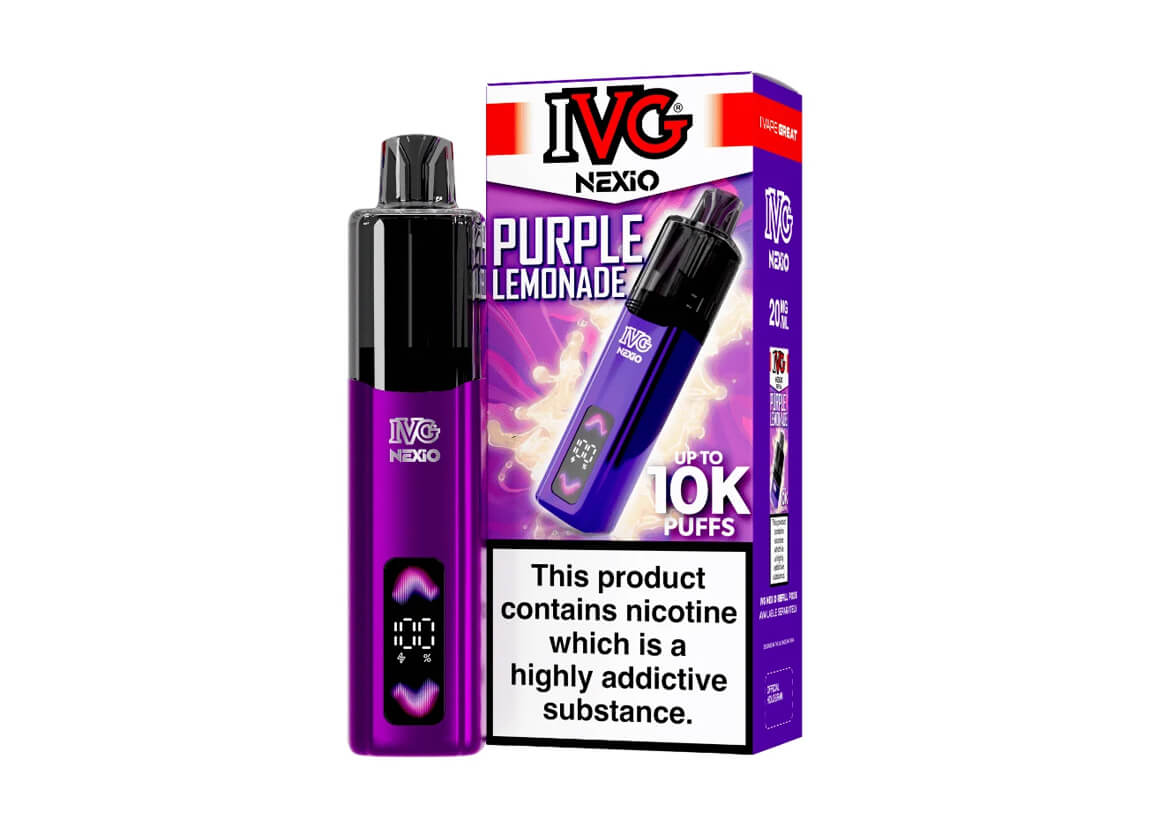
But with the ban on disposable vapes on June 1st last year. All sales have become refillable or pod system. The earliest British domestic brands to enter this field were IVG and Bloodybar.