
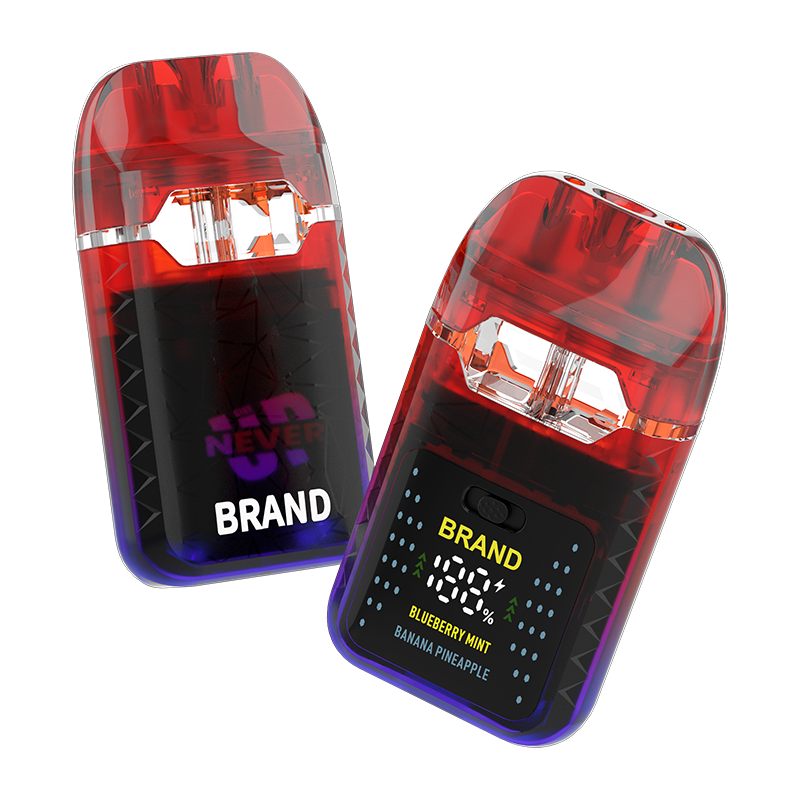
 All in one
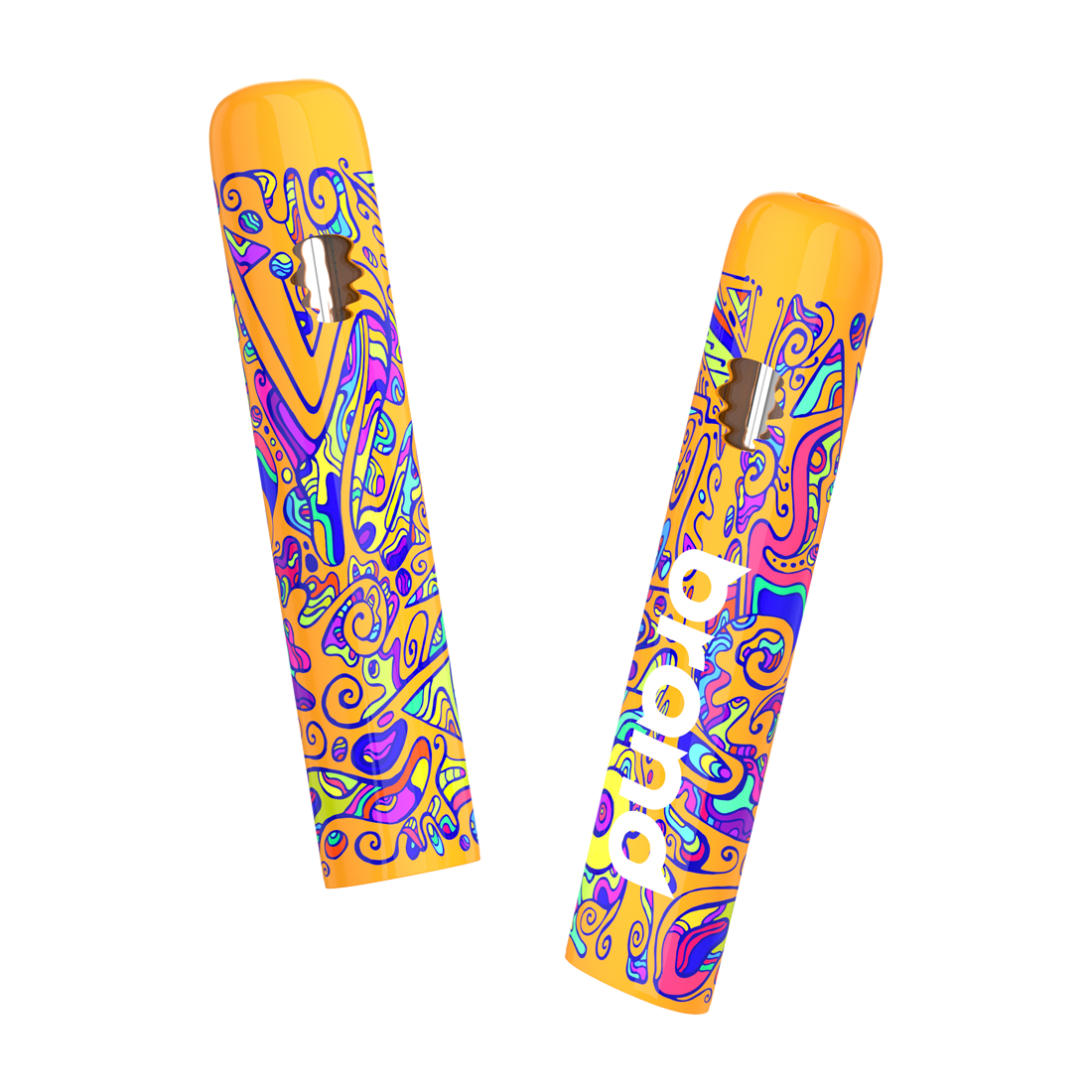 AIR
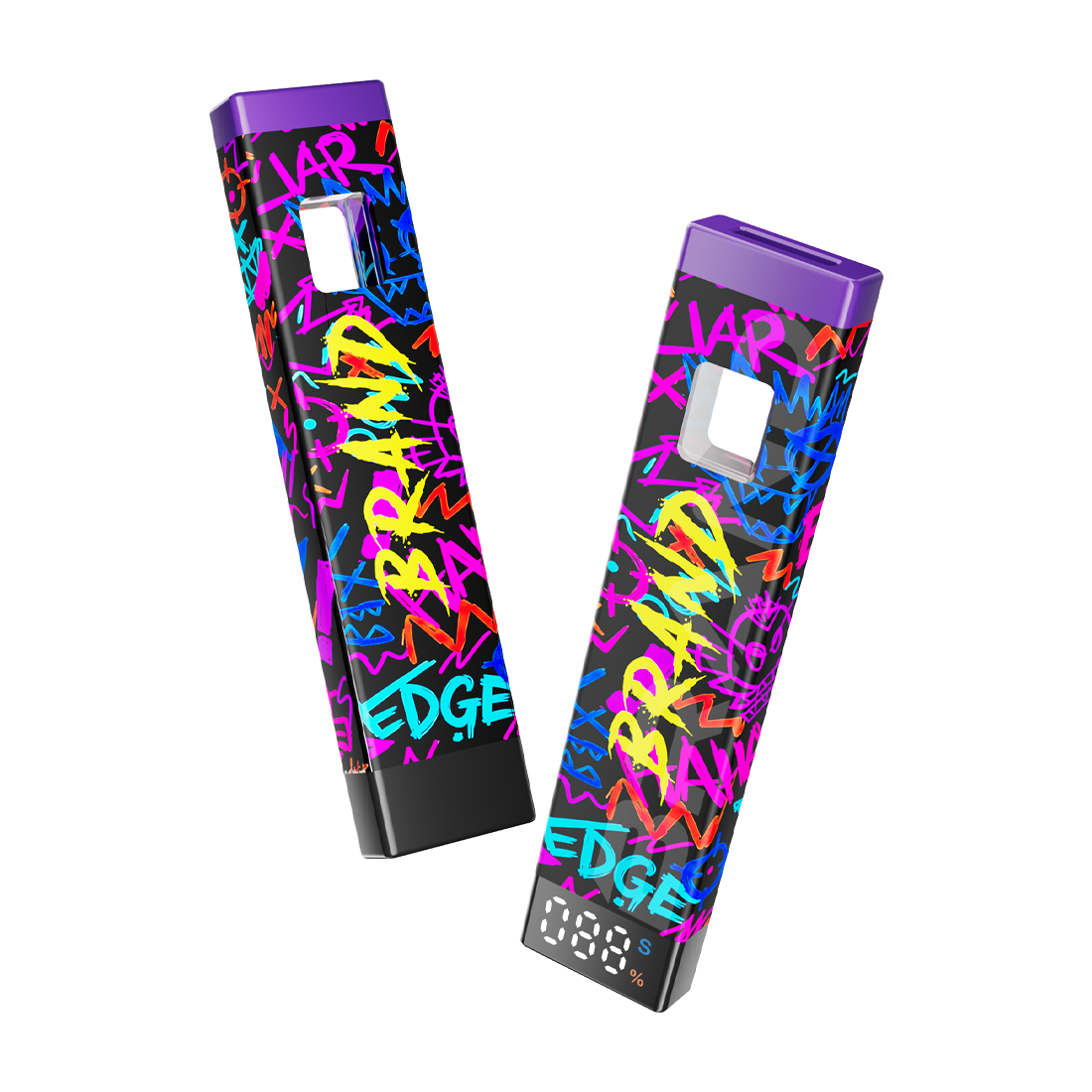 EDGE
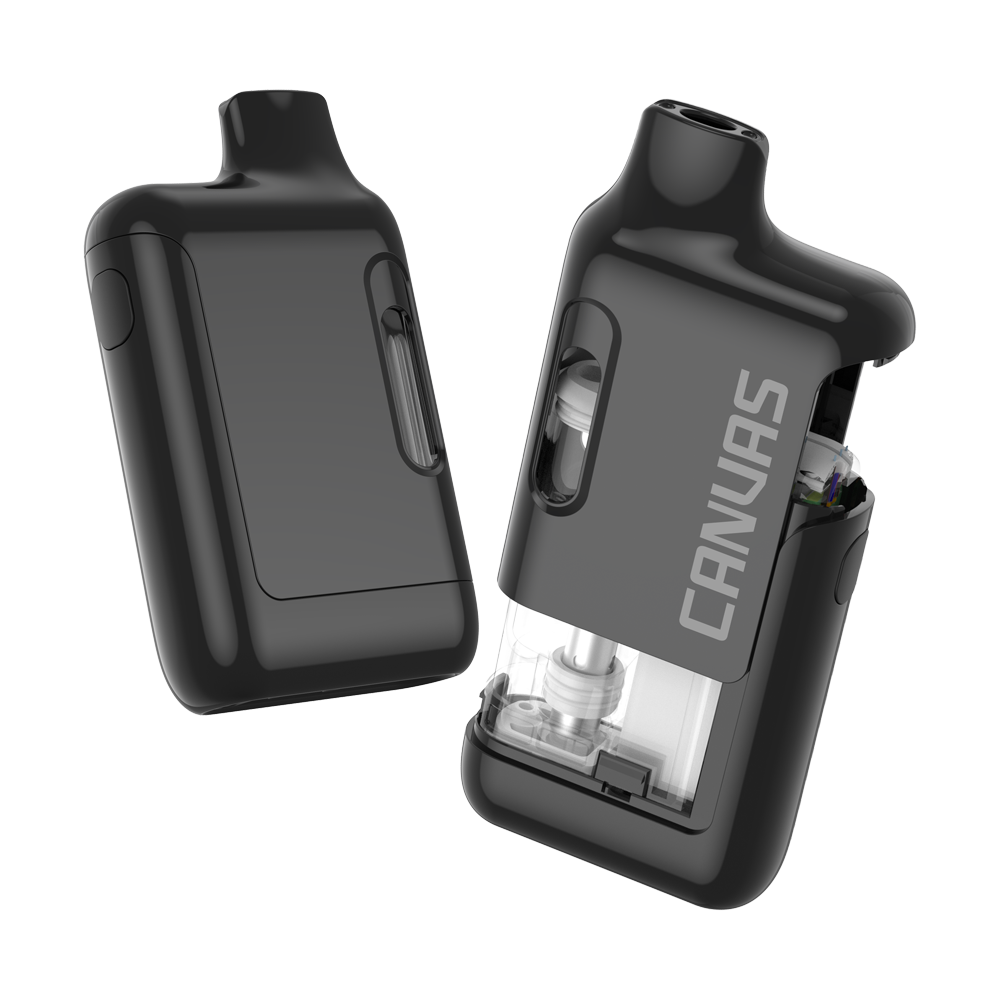 Canvas
 Grid
 Magix Nexo
 VISTA
 Pulse Pro
 Ready S
 Magix Cube
 Slim
 Cartridges
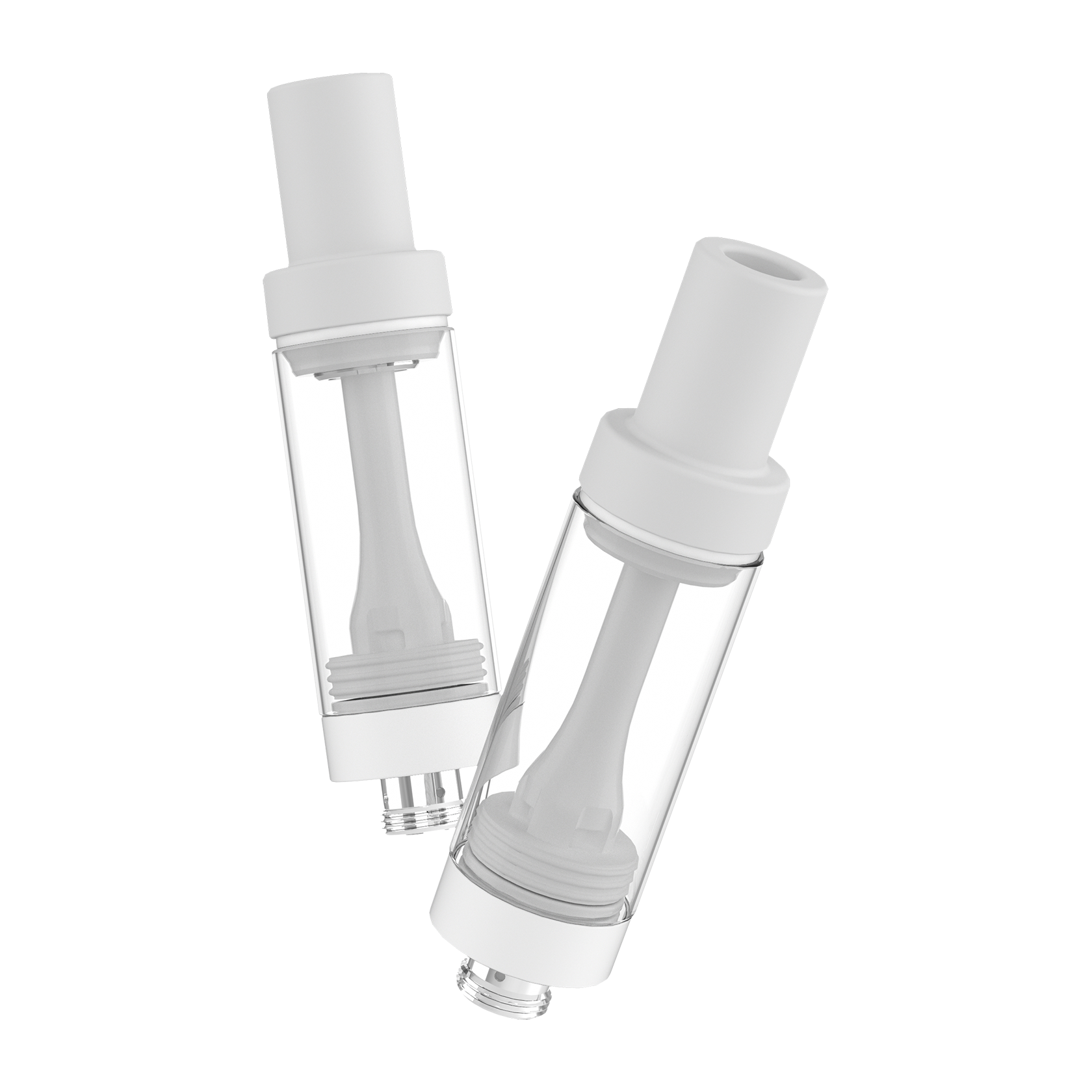 Base 2
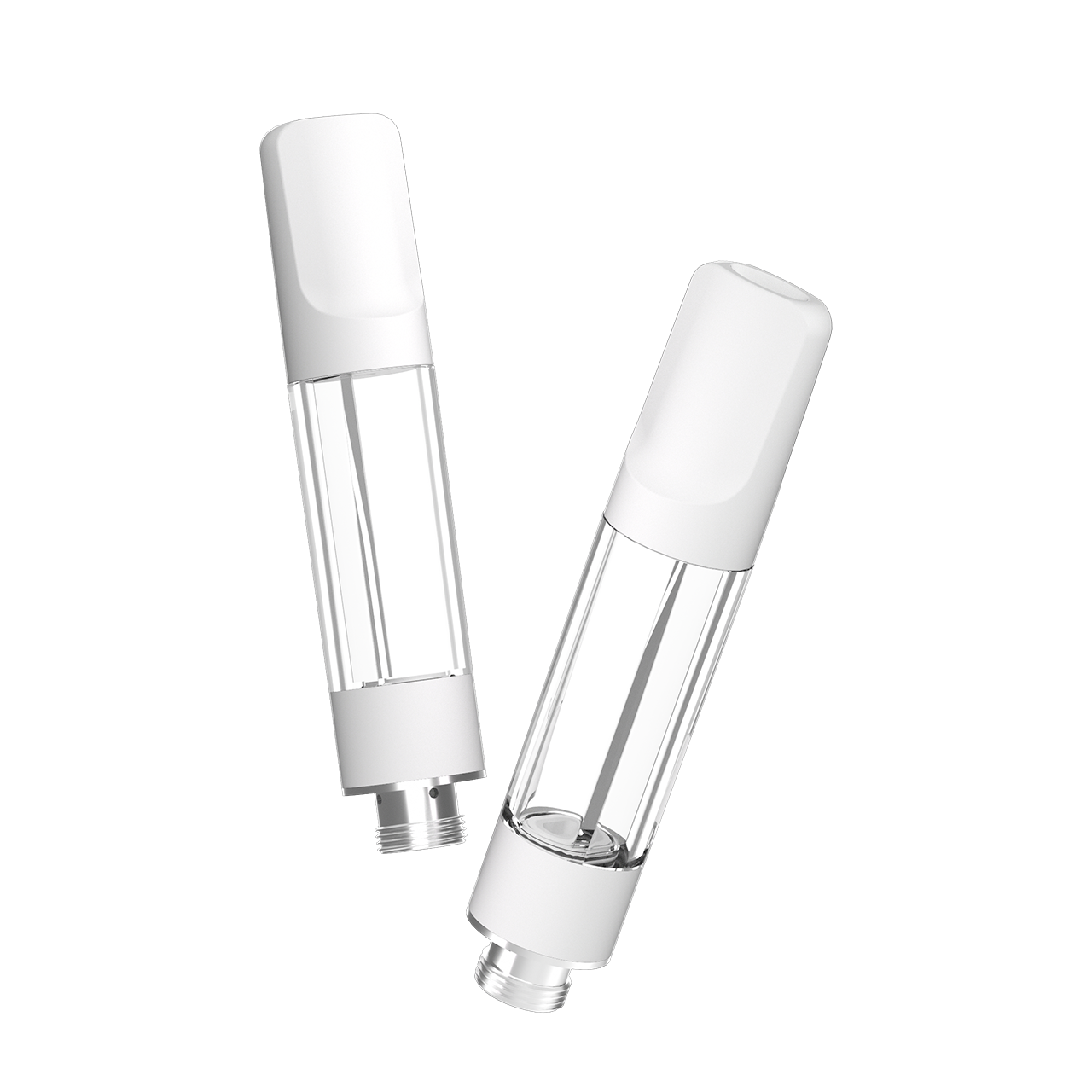 Core S1
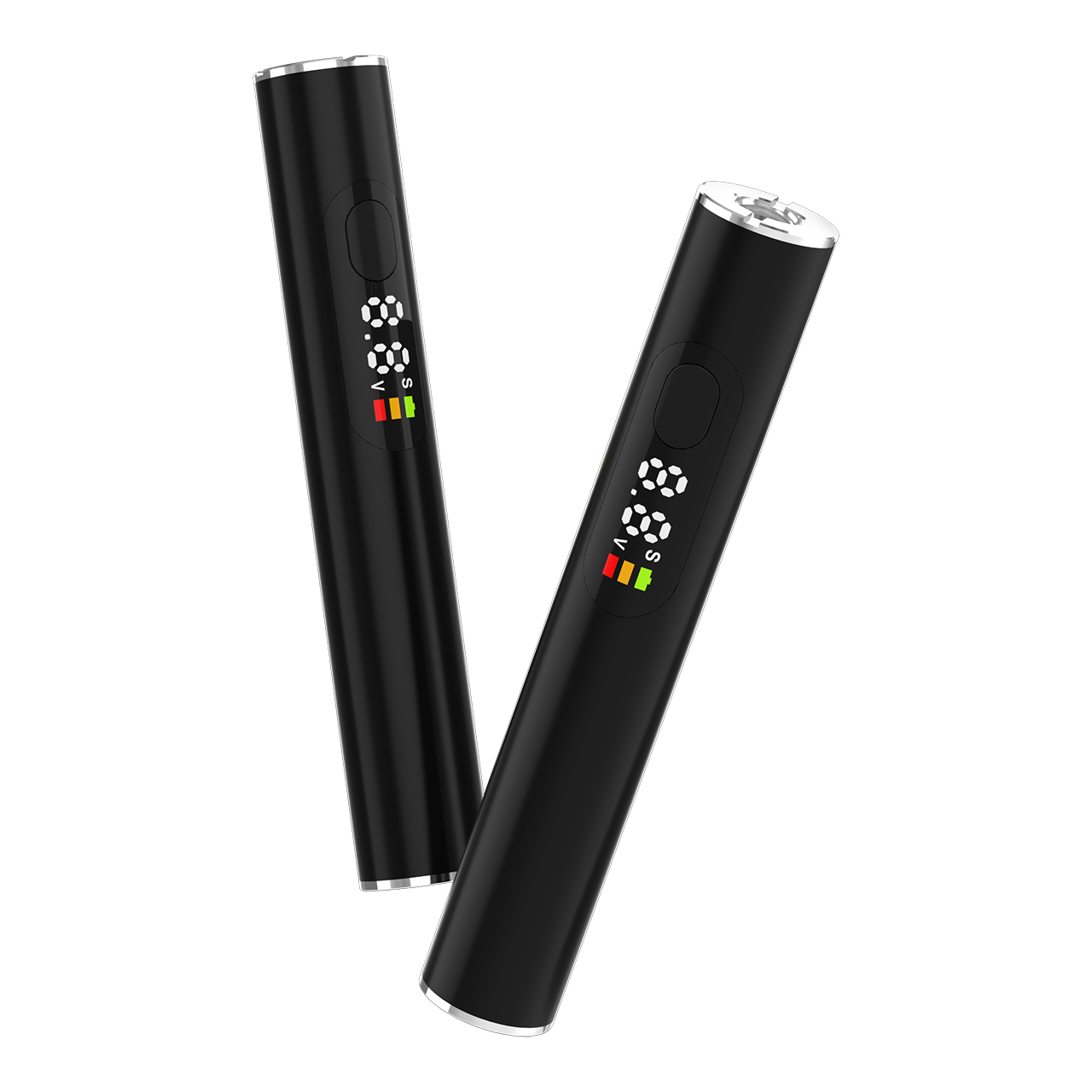 Batteries
 Vape Filter



Virginia Finalizes Budget with Marijuana Sales Legalization
Virginia lawmakers have formally passed a budget bill. It includes provisions to legalize recreational marijuana sales. Clearing the final legislative hurdle for a regulated adult-use cannabis market.
On Monday, the Senate and House of Delegates adopted Gov. Abigail Spanberger’s (D) proposed amendments to the legislation—amendments they had given initial approval to last week. Because lawmakers accepted her suggested changes in full, the measure is now formally enacted into law and does not require any further action from the governor.
Spanberger’s amendments, submitted on Friday, did not alter the adult-use cannabis sales provisions. However, they also left untouched a controversial section that dramatically increases penalties for public cannabis consumption—from $25 to $250—a 900% spike that advocates have condemned as a “poverty penalty.”
Advocates Warn of Racial Disparities in Enforcement
A coalition of advocacy groups led by Marijuana Justice last week released new enforcement data obtained via the Virginia Freedom of Information Act (FOIA), which they say “proves that legalization has not ended racially biased marijuana policing” in the state.
According to the analysis, since noncommercial cannabis legalization took effect in Virginia in 2021, 185 white individuals and 179 Black individuals have been charged with public consumption. Based on the state’s population, that means Black residents are more than three times more likely than white residents to face such charges.
In a joint letter to Spanberger and legislators, Marijuana Justice, the ACLU of Virginia, NORML, the Marijuana Policy Project, the Drug Policy Alliance, and the Latino Cannabis Alliance urged leaders not to boost the penalty, warning it would “deepen racial and economic disparities.”
“Higher fines and penalties for low-level marijuana offenses are not neutral,” the organizations wrote. “They are enforced disproportionately against Black and brown communities, create debt that low-income people cannot afford, and can trigger cascading harms in immigration, housing, education, and employment.”
Despite these concerns, Spanberger did not alter the penalty increase in her proposed amendments, nor did she suggest any other changes to the marijuana section of the bill.
A Compromise After Previous Veto
The new budget plan represents a compromise following months of negotiation. Spanberger last month vetoed a prior measure to legalize recreational cannabis sales after lawmakers rejected her proposed amendments. She later brokered a deal with Sen. Lashrecse Aird (D) and Del. Paul Krizek (D)—sponsors of the earlier legislation. And folded the compromise into the budget bill passed this week.
The final plan differs from the earlier legislation in several key ways:
- Launch date: Sales will begin July 1, 2027 (Spanberger’s preference), rather than January 1, 2027, as originally passed by lawmakers.
- Possession limit: Adults may possess and purchase up to 2 ounces of marijuana per transaction. Up from the current legal limit of 1 ounce (lawmakers had sought 2.5 ounces).
- Tax structure: A 6% state excise tax will apply. Plus the standard 5.3% retail sales tax. With localities able to add up to 3.5%. The excise tax rises to 8% after two years of sales, per the governor’s request.
- Public consumption penalty: A civil fine of **$250**—ten times the current $25 fine. But less severe than the Class 4 criminal misdemeanor the governor had originally sought.
- Store cap: Up to 350 retail licenses will be issued statewide. Matching lawmakers’ proposal and exceeding the governor’s preferred cap of 200.
- Local opt-out: Local governments cannot opt out of allowing cannabis businesses.
- Underage possession: Individuals under 21 face a $25 fine and mandatory substance abuse treatment or education, rather than the governor’s earlier proposal of a Class 1 misdemeanor with a $500 minimum fine and driver’s license suspension.
Other provisions include:
- Medical cannabis operators may enter the adult-use market by paying a $10 million licensing conversion fee.
- Cannabis businesses must establish labor peace agreements with workers.
- A legislative commission will study adding on-site consumption licenses and microbusiness event permits for farmers' markets or pop-up venues.
Revenue Allocation and Regulatory Oversight
Revenue from cannabis sales will flow to the Cannabis Equity Reinvestment Fund, early childhood education, behavioral health services, and public health initiatives. Unlike the earlier legislation, the new budget does not specify fixed percentage allocations for each program.
The Virginia Cannabis Control Authority will oversee licensing and regulation. Including hemp oversight—currently handled by the Department of Agriculture and Consumer Services. The Authority will be governed by a five-member board appointed by the governor, down from the seven-member body previously proposed.
The definition of legal hemp products will also be narrowed, removing a provision that allowed products with more than 2 mg of total THC per package if they had a CBD-to-THC ratio of 25:1 or greater.
Spanberger Defends Her Approach
In a press release Monday, the governor’s office said the legislation “creates a safe, legal, and well-regulated adult-use retail cannabis market that strengthens protections for kids and teenagers, expands safeguards for consumers, and offers greater flexibility for entrepreneurs while prioritizing responsible market development.”
Spanberger has acknowledged that “a lot of people are not pleased” with her earlier veto, adding that “friends and family are displeased as well.” She has defended her timeline, telling Marijuana Moment that “taking a little bit longer” to launch the market is not “negative,” because getting the details right matters more than speed.
A recent survey found bipartisan majorities of Virginia voters wanted Spanberger to sign cannabis legislation into law—and that they specifically disagreed with delaying the sales timeline. Nevertheless, the governor has pointed to consultations with leaders of other states that have already implemented adult-use markets to inform her decisions.
Other Cannabis Reforms Signed This Session
Separately, Spanberger has signed several other marijuana-related reform bills this session, including measures that:
- Provide resentencing relief for individuals with past cannabis convictions.
- Protect the parental rights of marijuana consumers.
- Allow patients to access medical cannabis in hospitals.
Personal possession and home cultivation of marijuana have been legal in Virginia since 2021. But former Gov. Glenn Youngkin (R) twice vetoed bills that would have established a legal retail market. With the new budget now enacted. Virginia is on track to join the growing number of states with regulated adult-use cannabis sales. Despite ongoing debates over equity, enforcement, and the pace of implementation.
What will effect to vape product by this?
Based on the search results, the new legislation in Virginia will likely impact vape products in two main ways: it will create a stricter, centralized regulatory framework for all cannabis products, and it will potentially tighten restrictions on hemp-derived vapes.
⚖️ Impact on THC Vape Products
Under the new plan, vape pens and other cannabis vape products will be treated as regulated adult-use cannabis products . This means they would fall under the new legal market framework.
New State Oversight: The Virginia Cannabis Control Authority (VCCA) will be responsible for licensing and regulating the new cannabis industry, including oversight of hemp . This moves regulation of these products away from the Department of Agriculture and Consumer Services.
Licensing for Sellers: To legally sell THC vapes for adult use, businesses will likely need a retail license from the VCCA, with a state cap of 350 retailers .
New Penalties: There will also be increased penalties for the illegal sale of marijuana products .
🧪 Impact on Hemp-Derived Vapes (Delta-8, etc.)
The new law might have an even more significant effect on hemp-derived products like delta-8 THC vapes, which are currently sold in many convenience stores and vape shops.
Closing the "Loophole": The plan narrows the definition of legal hemp products by removing a provision that allowed products with more than 2 mg of total THC per package if they had a specific CBD-to-THC ratio. Sen. Lashrecse Aird noted that this closes a loophole that allowed intoxicating products to be marketed outside a robust regulatory framework .
Existing Strict Rules: This builds on Virginia's existing law (SB 903), which already restricts hemp products based on "total THC" concentration (not just delta-9), making many hemp-derived intoxicating vapes illegal to sell outside of medical dispensaries . The new law will likely reinforce this strict stance.